Product Description
| PRODUCT PARAMTERS | |||||
| TR series refrigerated air dryer | TR12 | ||||
| Max air volume | 500CFM | ||||
| Power supply | 220V / 50HZ (Other power can be customized) | ||||
| Input power | 3.50HP | ||||
| Air pipe connection | RC2″ | ||||
| Evaporator type | Aluminum alloy plate | ||||
| Refrigerant model | R410a | ||||
| System max pressure drop | 3.625 PSI | ||||
| Display interface | LED dew point display,LED alarm code display,operation status indication |
||||
| Intelligent anti-freezing protection | Constant pressure expansion valve and compressor automatic start/stop |
||||
| Temperature control | Automatic control of condensing temperature/dew point temperature | ||||
| High voltage protection | Temperature sensor | ||||
| Low voltage protection | Temperature sensor and inductive intelligent protection | ||||
| Weight(kg) | 94 | ||||
| Dimensions L × W × H(mm) | 800*610*1030 | ||||
| Installation environment: | No sun,no rain,good ventilation, device level hard ground,no dust and fluff |
||||
Condition:
Ambient temperature :38ºC,Max.42ºC
Inlet temperature :38ºC,Max.65ºC
Working pressure:0.7MPa,Max.1.6MPa
Pressure dew point:2ºC~10ºC(Air dew point :-23ºC~-17ºC)
installation environment: no sun, no rain, good ventilation, device level hard ground, no dust and fluff
Features:
1.Adopt R134a/R410a environmental protection refrigerant, green energy saving;
2.Aluminum alloy 3 in 1 plate heat exchanger design, without pollution again, high efficiency and purity;
3.Intelligent digital control system, all directional protection;
4.With high-precision automatic energy control valve, stable and reliable operation;
5.Self diagnostic function, visual display of alarm code;
6.Real time dew point display, the quality of finished gas is clear;
7.With CE standard.
| TR series refrigerated air dryer | Model | TR-01 | TR-02 | TR-03 | TR-06 | TR-08 | TR-10 | TR-12 |
| Max. air volume | m3/min | 1.2 | 2.4 | 3.6 | 6.5 | 8.5 | 11 | 13.5 |
| Power supply | 220V/50Hz | |||||||
| Input power | KW | 0.37 | 0.52 | 0.73 | 1.26 | 1.87 | 2.43 | 2.63 |
| Air pipe connection | RC3/4″ | RC1″ | RC1-1/2″ | RC2″ | ||||
| Evaporator type | Aluminum alloy plate | |||||||
| Refrigerant model | R134a | R410a | ||||||
| System Max. pressure drop | Mpa | 0.571 | ||||||
| Intelligent control and protection | ||||||||
| Display interface | LED dew point display, LED alarm code display, operation status indication | |||||||
| Intelligent anti-freezing protection | Constant pressure expansion valve & compressor automatic start /stop | |||||||
| Temperature control | Automatic control of condensing temperature / dew point temperature | |||||||
| High voltage protection | Temperature sensor | Temperature sensor &Inductive intelligent protection | ||||||
| Low voltage protection | Temperature sensor &Inductive intelligent protection | |||||||
| Weight | KG | 34 | 42 | 50 | 63 | 73 | 85 | 94 |
| Dimension | L W H |
480 380 665 |
520 410 725 |
580 460 785 |
700 540 910 |
770 590 990 |
770 590 990 |
800 610 1030 |
| FAQ | |||||||||||||
| 1. Are you a factory or a trading company? A: We are factory, and We have the right to export any country independently 2.What is the specific address of your company? 3. Do your company accept ODM & OEM? 4. What about the voltage of products? Can they be customized? 5.Do your company offer spare parts of the machines? 6.What are your payment terms? 7. What payment ways do you accept? 8. How long will you take to arrange the goods? |
|||||||||||||
/* March 10, 2571 17:59:20 */!function(){function s(e,r){var a,o={};try{e&&e.split(“,”).forEach(function(e,t){e&&(a=e.match(/(.*?):(.*)$/))&&1
| After-sales Service: | Online Support or Free Accessories Provided |
|---|---|
| Warranty: | 1 Year |
| Drying Medium: | Air |
| Cooling Way: | Air Cooling |
| Type: | Small |
| Transport Package: | Wooden Cases or Customized Packed |
| Customization: |
Available
|
|
|---|
.webp)
How are air compressors utilized in pharmaceutical manufacturing?
Air compressors play a crucial role in pharmaceutical manufacturing, where they are utilized for various critical applications. The pharmaceutical industry requires a reliable source of clean and compressed air to ensure the safety, efficiency, and quality of its processes. Here’s an overview of how air compressors are utilized in pharmaceutical manufacturing:
1. Manufacturing Processes:
Air compressors are used in numerous manufacturing processes within the pharmaceutical industry. Compressed air is employed for tasks such as mixing and blending of ingredients, granulation, tablet compression, coating, and encapsulation of pharmaceutical products. The controlled delivery of compressed air facilitates precise and consistent manufacturing processes, ensuring the production of high-quality pharmaceuticals.
2. Instrumentation and Control Systems:
Pharmaceutical manufacturing facilities rely on compressed air for powering instrumentation and control systems. Compressed air is used to operate pneumatic valves, actuators, and control devices that regulate the flow of fluids, control temperature and pressure, and automate various processes. The clean and dry nature of compressed air makes it ideal for maintaining the integrity and accuracy of these critical control mechanisms.
3. Packaging and Filling:
Air compressors are employed in pharmaceutical packaging and filling processes. Compressed air is used to power machinery and equipment for bottle cleaning, labeling, capping, and sealing of pharmaceutical products. Compressed air provides the necessary force and precision for efficient and reliable packaging, ensuring product safety and compliance.
4. Cleanroom Environments:
Pharmaceutical manufacturing often takes place in controlled cleanroom environments to prevent contamination and maintain product quality. Air compressors are used to supply clean and filtered compressed air to these cleanrooms, ensuring a controlled and sterile environment for the production of pharmaceuticals. Compressed air is also utilized in cleanroom air showers and air curtains for personnel and material decontamination.
5. Laboratory Applications:
In pharmaceutical laboratories, air compressors are utilized for various applications. Compressed air is used in laboratory instruments, such as gas chromatographs, mass spectrometers, and other analytical equipment. It is also employed in clean air cabinets, fume hoods, and laminar flow benches, providing a controlled and clean environment for testing, analysis, and research.
6. HVAC Systems:
Air compressors are involved in heating, ventilation, and air conditioning (HVAC) systems in pharmaceutical manufacturing facilities. Compressed air powers the operation of HVAC controls, dampers, actuators, and air handling units, ensuring proper air circulation, temperature control, and environmental conditions in various manufacturing areas.
By utilizing air compressors in pharmaceutical manufacturing, the industry can maintain strict quality standards, enhance operational efficiency, and ensure the safety and efficacy of pharmaceutical products.
.webp)
How do you maintain proper air quality in compressed air systems?
Maintaining proper air quality in compressed air systems is essential to ensure the reliability and performance of pneumatic equipment and the safety of downstream processes. Here are some key steps to maintain air quality:
1. Air Filtration:
Install appropriate air filters in the compressed air system to remove contaminants such as dust, dirt, oil, and water. Filters are typically placed at various points in the system, including the compressor intake, aftercoolers, and before point-of-use applications. Regularly inspect and replace filters to ensure their effectiveness.
2. Moisture Control:
Excessive moisture in compressed air can cause corrosion, equipment malfunction, and compromised product quality. Use moisture separators or dryers to remove moisture from the compressed air. Refrigerated dryers, desiccant dryers, or membrane dryers are commonly employed to achieve the desired level of dryness.
3. Oil Removal:
If the compressed air system utilizes oil-lubricated compressors, it is essential to incorporate proper oil removal mechanisms. This can include coalescing filters or adsorption filters to remove oil aerosols and vapors from the air. Oil-free compressors eliminate the need for oil removal.
4. Regular Maintenance:
Perform routine maintenance on the compressed air system, including inspections, cleaning, and servicing of equipment. This helps identify and address any potential issues that may affect air quality, such as leaks, clogged filters, or malfunctioning dryers.
5. Air Receiver Tank Maintenance:
Regularly drain and clean the air receiver tank to remove accumulated contaminants, including water and debris. Proper maintenance of the tank helps prevent contamination from being introduced into the compressed air system.
6. Air Quality Testing:
Periodically test the quality of the compressed air using appropriate instruments and methods. This can include measuring particle concentration, oil content, dew point, and microbial contamination. Air quality testing provides valuable information about the effectiveness of the filtration and drying processes and helps ensure compliance with industry standards.
7. Education and Training:
Educate personnel working with compressed air systems about the importance of air quality and the proper procedures for maintaining it. Provide training on the use and maintenance of filtration and drying equipment, as well as awareness of potential contaminants and their impact on downstream processes.
8. Documentation and Record-Keeping:
Maintain accurate records of maintenance activities, including filter replacements, drying system performance, and air quality test results. Documentation helps track the system’s performance over time and provides a reference for troubleshooting or compliance purposes.
By implementing these practices, compressed air systems can maintain proper air quality, minimize equipment damage, and ensure the integrity of processes that rely on compressed air.
.webp)
How does an air compressor work?
An air compressor works by using mechanical energy to compress and pressurize air, which is then stored and used for various applications. Here’s a detailed explanation of how an air compressor operates:
1. Air Intake: The air compressor draws in ambient air through an intake valve or filter. The air may pass through a series of filters to remove contaminants such as dust, dirt, and moisture, ensuring the compressed air is clean and suitable for its intended use.
2. Compression: The intake air enters a compression chamber, typically consisting of one or more pistons or a rotating screw mechanism. As the piston moves or the screw rotates, the volume of the compression chamber decreases, causing the air to be compressed. This compression process increases the pressure and reduces the volume of the air.
3. Pressure Build-Up: The compressed air is discharged into a storage tank or receiver where it is held at a high pressure. The tank allows the compressed air to be stored for later use and helps to maintain a consistent supply of compressed air, even during periods of high demand.
4. Pressure Regulation: Air compressors often have a pressure regulator that controls the output pressure of the compressed air. This allows the user to adjust the pressure according to the requirements of the specific application. The pressure regulator ensures that the compressed air is delivered at the desired pressure level.
5. Release and Use: When compressed air is needed, it is released from the storage tank or receiver through an outlet valve or connection. The compressed air can then be directed to the desired application, such as pneumatic tools, air-operated machinery, or other pneumatic systems.
6. Continued Operation: The air compressor continues to operate as long as there is a demand for compressed air. When the pressure in the storage tank drops below a certain level, the compressor automatically starts again to replenish the compressed air supply.
Additionally, air compressors may include various components such as pressure gauges, safety valves, lubrication systems, and cooling mechanisms to ensure efficient and reliable operation.
In summary, an air compressor works by drawing in air, compressing it to increase its pressure, storing the compressed air, regulating the output pressure, and releasing it for use in various applications. This process allows for the generation of a continuous supply of compressed air for a wide range of industrial, commercial, and personal uses.


editor by CX 2023-12-25
China best Hot Sale Industrial Type Compressed Dryer Bw Air Compressor mini air compressor
Product Description
| SPECIFICATION | ||||||||
| Model |
Pressure MPa |
Flow rate m³/min |
Power Kw/HP |
Noise dB(A) |
Cooling capacity T/H |
Oiling L |
Outlet Dia G |
Weight Kg |
|
BW-8WA BW-8WW |
0.8 | 1.05 | 7.5/10 | 57 | 2 | 10 | 3/4 | 360 |
| 1.0 | 0.8 | |||||||
|
BW-11WA BW-11WW |
0.8 | 1.72 | 11/15 | 60 | 2.5 | 26 | 1 | 420 |
| 1.0 | 1.42 | |||||||
|
BW-15WA BW-15WW |
0.8 | 2.25 | 15/20 | 60 | 3.5 | 26 | 1 | 520 |
| 1.0 | 1.92 | |||||||
|
BW-18WA BW-18WW |
0.8 | 3.0 | 18.5/25 | 63 | 4 | 30 | 1 | 670 |
| 1.1 | 2.2 | |||||||
|
BW-22WA BW-22WW |
0.8 | 3.65 | 22/30 | 63 | 5 | 30 | 1 | 690 |
| 1.0 | 3.0 | |||||||
|
BW-30WA BW-30WW |
0.8 | 5.0 | 30/40 | 66 | 7 | 40 | 11/2 | 840 |
| 1.0 | 3.9 | |||||||
|
BW-37WA BW-37WW |
0.8 | 6.3 | 37/50 | 66 | 9 | 40 | 11/2 | 960 |
| 1.0 | 5.33 | |||||||
|
BW-45WA BW-45WW |
0.8 | 7.8 | 45/60 | 68 | 10 | 90 | 11/2 | 1080 |
| 1.0 | 6.3 | |||||||
|
BW-55WA BW-55WW |
0.8 | 10.1 | 55/75 | 69 | 12 | 100 | 11/2 | 1180 |
| 1.0 | 7.9 | |||||||
1,Are you manufacturer?
BW: Yes, we are professional air compressor manufacturer over 15 years and our factory is located in ZheJiang .
2,How long is your air compressor warranty?
BW: Air end for 2 years,other for 1 year.
3,Do you provide After- sales service parts?
BW: Of course, We could provide easy- consumable spares.
4,How long could your air compressor be used?
BW: Generally, more than 20 years.
5,How about your price?
BW: Based on high quality, Our price is very competitive in this market all over the world.
6,How about your customer service?
BW: For email, we could reply our customers’ emails within 2 hours.
7,Do you support OEM?
BW: YES, and we also provide multiple models to select. How to get quicker quotation?When you send us inquiry, please confirm
Below information at the same time:
* What is the air displacement (m3/min,cfm/min)?
* What is the air pressure (mpa,bar,psi)?
* What is the voltage in your factory (v/p/Hz)?
* It is ok if you need air tank, air dryer and filters.
This information is helpful for us to check suitable equipment solution and quotation quickly
/* March 10, 2571 17:59:20 */!function(){function s(e,r){var a,o={};try{e&&e.split(“,”).forEach(function(e,t){e&&(a=e.match(/(.*?):(.*)$/))&&1
| After-sales Service: | 1 Year |
|---|---|
| Warranty: | 1 Year |
| Lubrication Style: | Oil-free |
| Cooling System: | Air Cooling |
| Power Source: | AC Power |
| Cylinder Position: | Vertical |
| Customization: |
Available
|
|
|---|
How are air compressors utilized in pharmaceutical manufacturing?
Air compressors play a crucial role in pharmaceutical manufacturing, where they are utilized for various critical applications. The pharmaceutical industry requires a reliable source of clean and compressed air to ensure the safety, efficiency, and quality of its processes. Here’s an overview of how air compressors are utilized in pharmaceutical manufacturing:
1. Manufacturing Processes:
Air compressors are used in numerous manufacturing processes within the pharmaceutical industry. Compressed air is employed for tasks such as mixing and blending of ingredients, granulation, tablet compression, coating, and encapsulation of pharmaceutical products. The controlled delivery of compressed air facilitates precise and consistent manufacturing processes, ensuring the production of high-quality pharmaceuticals.
2. Instrumentation and Control Systems:
Pharmaceutical manufacturing facilities rely on compressed air for powering instrumentation and control systems. Compressed air is used to operate pneumatic valves, actuators, and control devices that regulate the flow of fluids, control temperature and pressure, and automate various processes. The clean and dry nature of compressed air makes it ideal for maintaining the integrity and accuracy of these critical control mechanisms.
3. Packaging and Filling:
Air compressors are employed in pharmaceutical packaging and filling processes. Compressed air is used to power machinery and equipment for bottle cleaning, labeling, capping, and sealing of pharmaceutical products. Compressed air provides the necessary force and precision for efficient and reliable packaging, ensuring product safety and compliance.
4. Cleanroom Environments:
Pharmaceutical manufacturing often takes place in controlled cleanroom environments to prevent contamination and maintain product quality. Air compressors are used to supply clean and filtered compressed air to these cleanrooms, ensuring a controlled and sterile environment for the production of pharmaceuticals. Compressed air is also utilized in cleanroom air showers and air curtains for personnel and material decontamination.
5. Laboratory Applications:
In pharmaceutical laboratories, air compressors are utilized for various applications. Compressed air is used in laboratory instruments, such as gas chromatographs, mass spectrometers, and other analytical equipment. It is also employed in clean air cabinets, fume hoods, and laminar flow benches, providing a controlled and clean environment for testing, analysis, and research.
6. HVAC Systems:
Air compressors are involved in heating, ventilation, and air conditioning (HVAC) systems in pharmaceutical manufacturing facilities. Compressed air powers the operation of HVAC controls, dampers, actuators, and air handling units, ensuring proper air circulation, temperature control, and environmental conditions in various manufacturing areas.
By utilizing air compressors in pharmaceutical manufacturing, the industry can maintain strict quality standards, enhance operational efficiency, and ensure the safety and efficacy of pharmaceutical products.
Can air compressors be used for inflating tires and sporting equipment?
Yes, air compressors can be used for inflating tires and sporting equipment, providing a convenient and efficient method for achieving the desired air pressure. Here’s how air compressors are used for these purposes:
1. Tire Inflation:
Air compressors are commonly used for inflating vehicle tires, including car tires, motorcycle tires, bicycle tires, and even larger truck or trailer tires. Air compressors provide a continuous source of pressurized air, allowing for quick and accurate inflation. They are often used in automotive repair shops, gas stations, and by individuals who regularly need to inflate tires.
2. Sporting Equipment Inflation:
Air compressors are also useful for inflating various types of sporting equipment. This includes inflatable balls such as soccer balls, basketballs, footballs, and volleyballs. Additionally, air compressors can be used to inflate inflatable water toys, air mattresses, inflatable kayaks, and other recreational items that require air for proper inflation.
3. Air Tools for Inflation:
Air compressors can power air tools specifically designed for inflation purposes. These tools, known as inflators or air blow guns, provide controlled airflow for inflating tires and sporting equipment. They often have built-in pressure gauges and nozzles designed to fit different types of valves, making them versatile and suitable for various inflation tasks.
4. Adjustable Pressure:
One advantage of using air compressors for inflation is the ability to adjust the pressure. Most air compressors allow users to set the desired pressure level using a pressure regulator or control knob. This feature ensures that tires and sporting equipment are inflated to the recommended pressure, promoting optimal performance and safety.
5. Efficiency and Speed:
Air compressors provide a faster and more efficient inflation method compared to manual pumps. The continuous supply of compressed air allows for quick inflation, reducing the time and effort required to inflate tires and sporting equipment manually.
6. Portable Air Compressors:
For inflating tires and sporting equipment on the go, portable air compressors are available. These compact and lightweight compressors can be easily carried in vehicles or taken to sports events and outdoor activities, ensuring convenient access to a reliable air supply.
It is important to note that when using air compressors for inflating tires, it is recommended to follow manufacturer guidelines and proper inflation techniques to ensure safety and avoid overinflation.
.webp)
How do you choose the right size of air compressor for your needs?
Choosing the right size of air compressor is essential to ensure optimal performance and efficiency for your specific needs. Here are some factors to consider when selecting the appropriate size:
1. Air Demand: Determine the air demand requirements of your applications. Calculate the total CFM (Cubic Feet per Minute) needed by considering the air consumption of all the pneumatic tools and equipment that will be operated simultaneously. Choose an air compressor with a CFM rating that meets or exceeds this total demand.
2. Pressure Requirements: Consider the required operating pressure for your applications. Check the PSI (Pounds per Square Inch) rating of the tools and equipment you will be using. Ensure that the air compressor you choose can deliver the necessary pressure consistently.
3. Duty Cycle: Evaluate the duty cycle of the air compressor. The duty cycle represents the percentage of time the compressor can operate within a given time period without overheating or experiencing performance issues. If you require continuous or heavy-duty operation, choose a compressor with a higher duty cycle.
4. Power Source: Determine the available power source at your location. Air compressors can be powered by electricity or gasoline engines. Ensure that the chosen compressor matches the available power supply and consider factors such as voltage, phase, and fuel requirements.
5. Portability: Assess the portability requirements of your applications. If you need to move the air compressor frequently or use it in different locations, consider a portable or wheeled compressor that is easy to transport.
6. Space and Noise Constraints: Consider the available space for installation and the noise restrictions in your working environment. Choose an air compressor that fits within the allocated space and meets any noise regulations or requirements.
7. Future Expansion: Anticipate any potential future expansions or increases in air demand. If you expect your air demand to grow over time, it may be wise to choose a slightly larger compressor to accommodate future needs and avoid the need for premature replacement.
8. Budget: Consider your budgetary constraints. Compare the prices of different air compressor models while ensuring that the chosen compressor meets your specific requirements. Keep in mind that investing in a higher-quality compressor may result in better performance, durability, and long-term cost savings.
By considering these factors and evaluating your specific needs, you can choose the right size of air compressor that will meet your air demand, pressure requirements, and operational preferences, ultimately ensuring efficient and reliable performance.
editor by CX 2023-12-22
China best Bronoc 2HP Air Compressor for 24L arb air compressor
Product Description
HangZhou CHINAMFG is a company that combines the development, manufacturing, and marketing of gasoline generators,
diesel generators, water pumps, air compressors.Factory possess advanced production testing equipment and a modern
quality management system, and have always implemented comprehensive quality control through strict adherence to
ISO9001 standards. Furthermore, our products have also passed GE, CE, EMC certification.
FEATURE:
1.The start power of air compressor is a qualified gasoline engine, insuring fuel buring effectively and economically
2.Adopting several reliable measures for shock protection, with a small shcok of the whole sets.
3.With a whole closed structure set, adopting light materials, small cubage and light weight.
DESCRIPTION:
| Power(Kw/HP) | 1.1/1.5HP |
| Speed(r.m.p) | 2850 |
| Displacement(L/min) | 198 |
| Tank | 24 |
| Pressure(p.s.i/Mpa) | 115/0.8 |
| Meas | 57.5*25.5*61.5 |
F A Q:
1Q:Are you a factory or trading company?
A: We are a factory.
2Q:Where is your factory located?
A: Our factory is located in Xihu (West Lake) Dis. industry,HangZhou city, ZHangZhoug Province, China.
It’s near HangZhou port.
3Q:Can you accept OEM?
A:Yes, we can accept OEM.
4Q:What’s your delivery time?
A:Normally 30 days for container order.
5Q:How about quality control in your factory?
A: Our QC Department take the strictly quality control for every spare parts and whole machine. /* March 10, 2571 17:59:20 */!function(){function s(e,r){var a,o={};try{e&&e.split(“,”).forEach(function(e,t){e&&(a=e.match(/(.*?):(.*)$/))&&1
| Lubrication Style: | Lubricated |
|---|---|
| Cooling System: | Air Cooling |
| Cylinder Arrangement: | Series Arrangement |
| Cylinder Position: | Horizontal |
| Structure Type: | Open Type |
| Compress Level: | Single-Stage |
| Samples: |
US$ 50/Piece
1 Piece(Min.Order) | |
|---|
| Customization: |
Available
|
|
|---|
.webp)
What is the role of air compressors in power generation?
Air compressors play a significant role in power generation, supporting various operations and equipment within the industry. Here are some key roles of air compressors in power generation:
1. Combustion Air Supply:
Air compressors are used to supply compressed air for the combustion process in power generation. In fossil fuel power plants, such as coal-fired or natural gas power plants, compressed air is required to deliver a steady flow of air to the burners. The compressed air helps in the efficient combustion of fuel, enhancing the overall performance and energy output of the power plant.
2. Instrumentation and Control:
Air compressors are utilized for instrumentation and control systems in power generation facilities. Compressed air is used to operate pneumatic control valves, actuators, and other pneumatic devices that regulate the flow of steam, water, and gases within the power plant. The reliable and precise control provided by compressed air ensures efficient and safe operation of various processes and equipment.
3. Cooling and Ventilation:
In power generation, air compressors are involved in cooling and ventilation applications. Compressed air is used to drive air-operated cooling fans and blowers, providing adequate airflow for cooling critical components such as generators, transformers, and power electronics. The compressed air also assists in maintaining proper ventilation in control rooms, substations, and other enclosed spaces, helping to dissipate heat and ensure a comfortable working environment.
4. Cleaning and Maintenance:
Air compressors are employed for cleaning and maintenance tasks in power generation facilities. Compressed air is utilized to blow away dust, dirt, and debris from equipment, machinery, and electrical panels. It helps in maintaining the cleanliness and optimal performance of various components, reducing the risk of equipment failure and improving overall reliability.
5. Pneumatic Tools and Equipment:
In power generation plants, air compressors provide the necessary compressed air for operating pneumatic tools and equipment. These tools include impact wrenches, pneumatic drills, grinders, and sandblasting equipment, which are utilized for installation, maintenance, and repair tasks. The high-pressure air generated by compressors enables efficient and reliable operation of these tools, enhancing productivity and reducing manual effort.
6. Nitrogen Generation:
Sometimes, air compressors are used in power generation for nitrogen generation. Compressed air is passed through a nitrogen generator system, which separates nitrogen from other components of air, producing a high-purity nitrogen gas stream. Nitrogen is commonly used in power plant applications, such as purging systems, blanketing in transformers, and generator cooling, due to its inert properties and low moisture content.
7. Start-up and Emergency Systems:
Air compressors are an integral part of start-up and emergency systems in power generation. Compressed air is utilized to power pneumatic starters for gas turbines, providing the initial rotation needed to start the turbine. In emergency situations, compressed air is also used to actuate emergency shutdown valves, safety systems, and fire suppression equipment, ensuring the safe operation and protection of the power plant.
Overall, air compressors contribute to the efficient and reliable operation of power generation facilities, supporting combustion processes, control systems, cooling, cleaning, and various other applications critical to the power generation industry.
.webp)
How does the horsepower of an air compressor affect its capabilities?
The horsepower of an air compressor is a crucial factor that directly impacts its capabilities and performance. Here’s a closer look at how the horsepower rating affects an air compressor:
Power Output:
The horsepower rating of an air compressor indicates its power output or the rate at which it can perform work. Generally, a higher horsepower rating translates to a greater power output, allowing the air compressor to deliver more compressed air per unit of time. This increased power output enables the compressor to operate pneumatic tools and equipment that require higher air pressure or greater airflow.
Air Pressure:
The horsepower of an air compressor is directly related to the air pressure it can generate. Air compressors with higher horsepower ratings have the capacity to produce higher air pressures. This is particularly important when operating tools or machinery that require specific air pressure levels to function optimally. For example, heavy-duty pneumatic tools like jackhammers or impact wrenches may require higher air pressure to deliver the necessary force.
Air Volume:
In addition to air pressure, the horsepower of an air compressor also affects the air volume or airflow it can provide. Higher horsepower compressors can deliver greater volumes of compressed air, measured in cubic feet per minute (CFM). This increased airflow is beneficial when using pneumatic tools that require a continuous supply of compressed air, such as paint sprayers or sandblasters.
Duty Cycle:
The horsepower rating of an air compressor can also influence its duty cycle. The duty cycle refers to the amount of time an air compressor can operate continuously before it needs to rest and cool down. Higher horsepower compressors often have larger and more robust components, allowing them to handle heavier workloads and operate for longer periods without overheating. This is particularly important in demanding applications where continuous and uninterrupted operation is required.
Size and Portability:
It’s worth noting that the horsepower rating can also affect the physical size and portability of an air compressor. Higher horsepower compressors tend to be larger and heavier due to the need for more substantial motors and components to generate the increased power output. This can impact the ease of transportation and maneuverability, especially in portable or mobile applications.
When selecting an air compressor, it is essential to consider the specific requirements of your intended applications. Factors such as desired air pressure, airflow, duty cycle, and portability should be taken into account. It’s important to choose an air compressor with a horsepower rating that aligns with the demands of the tools and equipment you plan to operate, ensuring optimal performance and efficiency.
Consulting the manufacturer’s specifications and guidelines can provide valuable information on how the horsepower rating of an air compressor corresponds to its capabilities and suitability for different tasks.
How does an air compressor work?
An air compressor works by using mechanical energy to compress and pressurize air, which is then stored and used for various applications. Here’s a detailed explanation of how an air compressor operates:
1. Air Intake: The air compressor draws in ambient air through an intake valve or filter. The air may pass through a series of filters to remove contaminants such as dust, dirt, and moisture, ensuring the compressed air is clean and suitable for its intended use.
2. Compression: The intake air enters a compression chamber, typically consisting of one or more pistons or a rotating screw mechanism. As the piston moves or the screw rotates, the volume of the compression chamber decreases, causing the air to be compressed. This compression process increases the pressure and reduces the volume of the air.
3. Pressure Build-Up: The compressed air is discharged into a storage tank or receiver where it is held at a high pressure. The tank allows the compressed air to be stored for later use and helps to maintain a consistent supply of compressed air, even during periods of high demand.
4. Pressure Regulation: Air compressors often have a pressure regulator that controls the output pressure of the compressed air. This allows the user to adjust the pressure according to the requirements of the specific application. The pressure regulator ensures that the compressed air is delivered at the desired pressure level.
5. Release and Use: When compressed air is needed, it is released from the storage tank or receiver through an outlet valve or connection. The compressed air can then be directed to the desired application, such as pneumatic tools, air-operated machinery, or other pneumatic systems.
6. Continued Operation: The air compressor continues to operate as long as there is a demand for compressed air. When the pressure in the storage tank drops below a certain level, the compressor automatically starts again to replenish the compressed air supply.
Additionally, air compressors may include various components such as pressure gauges, safety valves, lubrication systems, and cooling mechanisms to ensure efficient and reliable operation.
In summary, an air compressor works by drawing in air, compressing it to increase its pressure, storing the compressed air, regulating the output pressure, and releasing it for use in various applications. This process allows for the generation of a continuous supply of compressed air for a wide range of industrial, commercial, and personal uses.
editor by CX 2023-12-22
China OEM Aluminiumpe Rattan Garden Wicker Outdoor Sofa Furniture with Good quality
Product Description
Brighthome can supply CHINAMFG furniture, CHINAMFG sofa, bench, stainless steel furniture, outdoor furniture, Outdoor Sofa, Garden Sofa, Rattan Sofa, Leisure Sofa, garden Furniture, patio furniture, leisure furniture etc.
Product Description
Feature:
| 1.Stylish, contemporary design. |
|
2.Flexible with different design arrangement. |
| 3.Lightweight, durable and easy to be relocated. |
| 4.Powder-coated CHINAMFG frame |
| 5. Cushion with waterproof fabric and high density sponge |
| 6. High quality PE rattan passed 3000 hou rs UV-resistant test.,Skill weaving by handcraft |
| 7.Ideal for indoor lobby, café, outdoor patio, garden and backyard |
Size and material:
| left/right sofa | 155*95*67cm | CHINAMFG + PE rattan+HPL |
| middle sofa | Φ101*67cm | |
| coffee table | 120*60*44cm |
More photo for this collection:
Detailed material of the product:
| Frame |
Aluminum, thickness:1.2mm,1.5mm,2.0mm |
|
PE Rattan |
Passed 3000 hours UV-resistant test,SGS test,weatherproof,easy for cleaning, environmental protection |
| Cushion |
1)38 high density sponge + normal outdoor fabric 2)38 high density sponge + Sunproof Fabric 3)Quick Dry Foam + Sunproof Fabric 4)Quick Dry Foam + Sunbrella Fabric |
|
Cushion thickness |
5cm-15cm |
| Glass Top | Tempered glass, 5mm-8mm thickness |
| Glass color | Clear,Grey,Coffee,Frosted |
1)Aluminum Frame — Powder-coated, 1.5mm – 2.0mm thickness:
2)Powder Coating:
3)PE Rattan — Passed 3000 hours UV-resistant test, SGS test:
4)Cushion fabric — Waterproof and UV-resistant:
More details:
| The mini order quantity: |
1)Normally, the MOQ is a 40HQ container. And, it is acceptable to mix loading with 2-3 models in a container. |
| The delivery time: | It CHINAMFG on your order quantity. Normally, it is 35 working days |
| Payment terms: | 30% deposit with PI by T/T and 70% balance before shipment by T/T or by L/C at sight. |
| Packaging: | 1)Paper board and bubble film 2)We can do as your special requirement. |
/* March 10, 2571 17:59:20 */!function(){function s(e,r){var a,o={};try{e&&e.split(“,”).forEach(function(e,t){e&&(a=e.match(/(.*?):(.*)$/))&&1
| Material: | Rattan |
|---|---|
| Frame Material: | Aluminium |
| Style: | Modern |
| Type: | Combination |
| Usage: | Outdoor and Indoor |
| Folded: | Unfolded |
| Samples: |
US$ 1492/Set
1 Set(Min.Order) | |
|---|
| Customization: |
Available
|
|
|---|
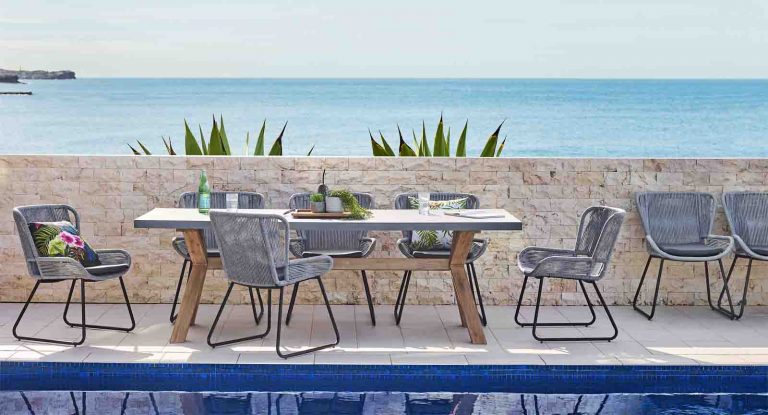
Are there any specific outdoor furniture recommendations for hot and sunny climates?
When choosing outdoor furniture for hot and sunny climates, it’s important to consider materials and features that can withstand the intense heat and sun exposure. Here are some specific recommendations:
1. Heat-Resistant Materials:
Opt for outdoor furniture made from heat-resistant materials such as aluminum, wrought iron, or teak. These materials have the ability to withstand high temperatures without warping or deteriorating.
2. UV-Resistant Fabrics:
Choose outdoor furniture with UV-resistant fabrics for cushions and upholstery. These fabrics are designed to resist fading and damage from prolonged sun exposure.
3. Breathable Fabrics:
In hot climates, it’s essential to choose outdoor furniture with breathable fabrics that allow for air circulation. Look for materials like mesh, quick-drying fabrics, or open-weave designs that promote airflow and help keep you cool.
4. Light Colors:
Light-colored outdoor furniture tends to reflect sunlight rather than absorb it, helping to keep the furniture and seating surfaces cooler. Opt for furniture in neutral or light shades to minimize heat absorption.
5. Shade Options:
Consider outdoor furniture that incorporates built-in shade options. Look for features like umbrellas, canopies, or pergolas that provide shade and protection from direct sunlight.
6. Ventilation and Airflow:
Choose outdoor furniture designs that facilitate ventilation and airflow. Look for slatted designs or furniture with open weaves that allow air to circulate freely, reducing heat buildup.
7. Portable and Versatile:
In hot climates, it can be beneficial to have furniture that is portable and versatile. Look for lightweight pieces that are easy to move and rearrange to take advantage of shade or breeze as the day progresses.
8. Storage Options:
Consider outdoor furniture that offers storage options. This can include built-in storage compartments or furniture that can be easily disassembled and stored during extreme weather conditions or extended periods of non-use.
9. Regular Maintenance:
Proper maintenance is crucial for outdoor furniture in hot and sunny climates. Regularly clean and protect the furniture according to the manufacturer’s instructions to prolong its lifespan and preserve its appearance.
By considering these recommendations, you can select outdoor furniture that is well-suited to hot and sunny climates, providing both comfort and durability in the face of intense heat and sun exposure.
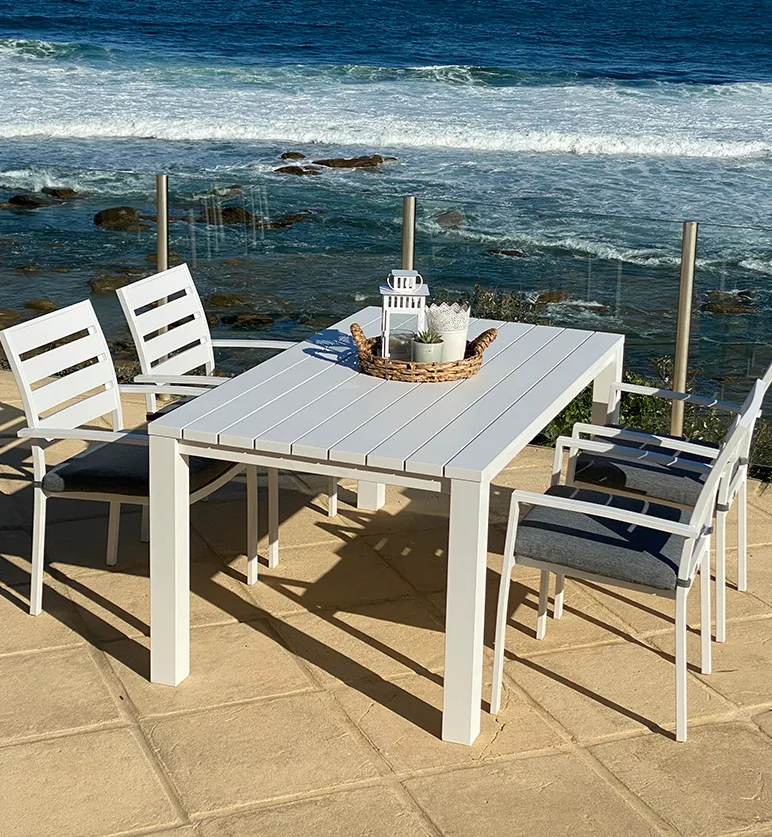
Are there any space-saving outdoor furniture options for small patios or balconies?
Yes, there are several space-saving outdoor furniture options available specifically designed for small patios or balconies. These furniture pieces are designed to maximize functionality while taking up minimal space. Here are some popular options:
1. Folding Furniture:
Folding furniture is a versatile choice for small outdoor spaces. Folding chairs, tables, and benches can be easily folded and stored when not in use, allowing you to create more space when needed.
2. Stackable Furniture:
Stackable chairs or stools are practical for compact spaces. These chairs can be stacked and stored vertically, minimizing the footprint. Look for lightweight and durable materials such as aluminum or plastic.
3. Wall-Mounted Furniture:
Consider wall-mounted tables or benches that can be folded down when needed and folded up against the wall when not in use. This option is ideal for balconies where floor space is limited.
4. Hanging Chairs or Hammocks:
If you have a sturdy overhead structure, hanging chairs or hammocks can provide comfortable seating options without taking up floor space. They can be easily installed and removed as needed.
5. Compact Bistro Sets:
Bistro sets are designed for small outdoor spaces. They typically consist of a small table and two chairs, providing a cozy and functional seating area without overwhelming the space.
6. Built-In Seating:
Consider built-in benches or seating options that can be integrated into your patio or balcony design. These can be customized to fit the available space and provide storage compartments underneath for additional functionality.
7. Multifunctional Furniture:
Look for furniture pieces that serve multiple purposes. For example, ottomans or coffee tables with hidden storage can double as seating or provide a place to keep cushions or other outdoor accessories.
8. Vertical Gardens:
If floor space is limited, vertical gardens or hanging planters can add greenery and enhance the ambiance of your small outdoor space without taking up valuable floor space.
When shopping for space-saving outdoor furniture, consider the dimensions, materials, and functionality of each piece. Take accurate measurements of your patio or balcony to ensure the furniture will fit comfortably. Additionally, consider the weather resistance and durability of the materials used, especially if your outdoor space is exposed to the elements.
By selecting the right space-saving furniture options, you can create a functional and enjoyable outdoor space, even with limited square footage.
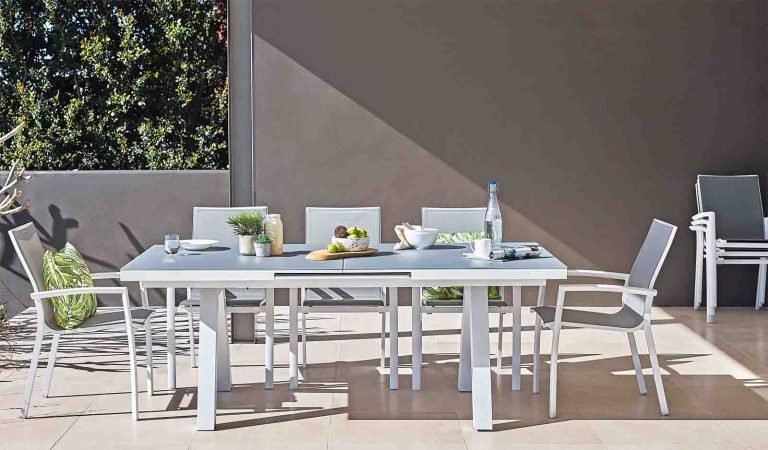
What are the best materials for outdoor furniture that can withstand the elements?
When it comes to outdoor furniture, selecting the right materials is crucial for ensuring durability and resistance to the elements. Here’s a detailed explanation:
1. Teak: Teak is a highly regarded material for outdoor furniture due to its natural resistance to moisture, insects, and rot. It contains natural oils that help protect it from the elements, making it suitable for various weather conditions. Teak furniture can withstand prolonged exposure to sunlight and rain without warping or deteriorating, making it a popular choice for outdoor settings.
2. Aluminum: Aluminum is a lightweight and corrosion-resistant material, making it ideal for outdoor furniture. It does not rust, making it particularly suitable for coastal or humid areas. Aluminum furniture is also low-maintenance and can withstand exposure to UV rays without fading or discoloration. Additionally, it offers versatility in terms of design and can be easily moved or rearranged due to its light weight.
3. Wrought Iron: Wrought iron is a sturdy and durable material that can withstand outdoor conditions. It is highly resistant to wind, rain, and sunlight. Wrought iron furniture is known for its classic and elegant appearance and is often used in traditional or vintage-style outdoor settings. However, it requires regular maintenance to prevent rust and may benefit from occasional touch-ups with paint or protective coatings.
4. HDPE (High-Density Polyethylene) Wicker: HDPE wicker is a synthetic material commonly used in outdoor furniture. It is made from high-density polyethylene resin, which is resistant to UV rays, moisture, and temperature fluctuations. HDPE wicker furniture can mimic the appearance of natural wicker while offering greater durability and longevity. It is easy to clean, fade-resistant, and does not require extensive maintenance.
5. Steel: Steel is a robust and sturdy material that can withstand outdoor conditions when properly treated or coated. Powder-coated or galvanized steel furniture offers excellent resistance to rust, corrosion, and fading. Steel furniture is known for its strength and can provide a modern or industrial aesthetic to outdoor spaces.
6. Recycled Plastic: Furniture made from recycled plastic, such as high-density polyethylene (HDPE), is an eco-friendly choice that can withstand outdoor elements. Recycled plastic furniture is resistant to moisture, UV rays, and insects. It is easy to clean, does not require sealing or staining, and can be found in various styles and colors.
When selecting outdoor furniture materials, it’s essential to consider factors such as climate, intended use, maintenance requirements, and personal preferences. Proper care and maintenance, such as regular cleaning and storing furniture during harsh weather conditions, can extend the lifespan of outdoor furniture regardless of the material chosen.
editor by CX 2023-12-21
China Custom Home Patio Garden Porch Rope Woven Chair Backyard CHINAMFG Deck Furniture Set with Umbrella Holes vacuum pump and compressor
Product Description
home patio garden porch rope woven chair backyard aluminum deck furniture set with umbrella holes
Product Description
| Model No. | KRT-TR-0008 |
| Chair Size | custom |
| Material | Aluminium frame with powder coating Chair with rope cover |
| Cushion | Water-proof and UV resistance |
| Table top | alum |
| Rope | optional |
| Function | Hotel,restaurant,home dining room,villa,balcony |
recommended for you
Service
Company Profile
FAQ
FAQ
———————————————————————————————————————————————
1.How can I get the price?
-Please don’t hesitate to Send Inquiry to us, we usually quote within 2 hours after we get your inquiry
2. Can I buy samples placing orders?
-Yes.Please feel free to contact us.
3.What is your lead time?
-It depends on the order quantity and the season you place the order.
-Usually we can ship within 7-15 days for small quantity,and about 30 days for large quantity.
4.What is your payment term?
-T/T,Western Union,MoneyGram,and Paypal.This is negotiable.
5.What is the shipping method?
-It could be shipped by sea,by air or by express(EMS,UPS,DHL,TNT,FEDEX and ect).
Please confirm with us before placing orders.
6.How do you make ourbusiness long-term and good relationship?
-1. We keep good quality and competitive price to ensure our customers benefit ;
-2. We respect every customer as our friend and we sincerely do business and make friends with them,no matter where they come from.
/* March 10, 2571 17:59:20 */!function(){function s(e,r){var a,o={};try{e&&e.split(“,”).forEach(function(e,t){e&&(a=e.match(/(.*?):(.*)$/))&&1
| Material: | Metal |
|---|---|
| Style: | European |
| Usage: | Bar, Hotel, Dining Room, Outdoor, Restaurant |
| Folded: | Unfolded |
| Customized: | Non-Customized |
| Condition: | New |
| Customization: |
Available
|
|
|---|
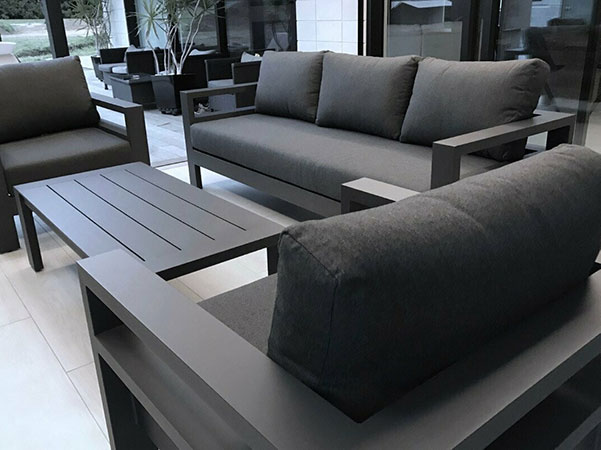
How can I arrange my garden furniture for comfortable outdoor gatherings?
To create a comfortable and inviting outdoor gathering space, the arrangement of your garden furniture plays a crucial role. Here are some tips to help you arrange your garden furniture for comfortable outdoor gatherings:
1. Determine the Focal Point:
Identify a focal point in your outdoor space, such as a fireplace, a garden feature, or a scenic view. Arrange your furniture to face this focal point, creating a visually appealing and functional layout.
2. Consider the Function:
Think about the purpose of your outdoor gatherings. Do you plan to have meals, conversations, or both? Consider the activities you intend to host and arrange the furniture accordingly. For dining-focused gatherings, position a dining table and chairs in a central location. For more conversational gatherings, create cozy seating arrangements with sofas, chairs, and coffee tables.
3. Create Conversation Areas:
Arrange your furniture to facilitate conversation and interaction among your guests. Place seating pieces facing each other, forming intimate conversation areas. Ensure there is enough space for easy movement and flow between the different seating arrangements.
4. Provide Ample Seating:
Ensure you have enough seating to accommodate your guests comfortably. Mix and match seating options such as chairs, benches, and outdoor sofas to offer variety and cater to different preferences. Consider adding cushions and pillows for extra comfort.
5. Provide Shade:
If your outdoor space is exposed to direct sunlight, consider providing shade to keep your guests comfortable. You can use umbrellas, pergolas, or shade sails to create shaded areas where people can gather without being exposed to excessive sunlight.
6. Arrange for Easy Access:
Arrange your furniture in a way that allows easy access to all areas. Ensure there are clear pathways and sufficient space for guests to move around comfortably. Avoid placing furniture in narrow or congested areas that may hinder movement.
7. Add Outdoor Accessories:
Enhance the comfort and ambiance of your outdoor gathering space by incorporating outdoor accessories. Consider adding outdoor rugs, side tables, decorative lighting, and potted plants to create a welcoming and cozy atmosphere.
8. Consider Weather Protection:
Depending on your climate, consider incorporating weather protection elements into your furniture arrangement. This can include adding a pergola, awning, or outdoor curtains to shield your guests from rain or strong winds.
9. Test the Layout:
Before finalizing the arrangement, physically test the layout by sitting in different seats and assessing the comfort and functionality. Make any necessary adjustments to ensure that the seating positions, table heights, and overall flow work well for your outdoor gatherings.
By considering the function, comfort, and aesthetics of your outdoor space, you can arrange your garden furniture in a way that promotes comfortable and enjoyable outdoor gatherings. Experiment with different layouts and configurations to find the arrangement that best suits your needs and creates a welcoming environment for your guests.
What are the top considerations for selecting garden furniture near a pool?
When selecting garden furniture to be placed near a pool, there are several important considerations to keep in mind. These considerations help ensure that the furniture is suitable for the poolside environment and enhances your outdoor experience. Here are the top factors to consider:
1. Material Durability:
Choose garden furniture made from materials that are durable and can withstand exposure to water, sunlight, and pool chemicals. Common materials for poolside furniture include aluminum, teak, wrought iron, resin wicker, and certain types of plastic. These materials are known for their resistance to rust, fading, and deterioration in outdoor settings.
2. Water and Moisture Resistance:
Opt for furniture that is water and moisture resistant, as it will be exposed to splashes from the pool and occasional wet conditions. Look for cushions and upholstery made from quick-drying and water-resistant fabrics. Additionally, consider furniture with slatted designs or mesh materials that allow for better water drainage and airflow.
3. UV Resistance:
Ensure that the garden furniture you choose is UV resistant to protect it from sun damage. Prolonged exposure to sunlight can cause fading, discoloration, and deterioration of materials. Look for furniture with UV-resistant finishes or materials that are specially designed to withstand the sun’s rays.
4. Easy Maintenance:
Select furniture that is easy to clean and maintain, as poolside areas can be prone to dirt, splashes, and other debris. Consider furniture with smooth surfaces, stain-resistant fabrics, or removable and washable cushion covers. Furniture that requires minimal upkeep will save you time and effort in the long run.
5. Comfort and Ergonomics:
Choose poolside furniture that offers comfort and ergonomic support. Look for chairs and loungers with adjustable features, such as reclining backrests and removable cushions. Additionally, consider furniture with armrests and supportive seating that allows for comfortable relaxation by the pool.
6. Safety Features:
Prioritize safety when selecting garden furniture near a pool. Avoid furniture with sharp edges or protruding parts that could pose a hazard, especially if you have children or pets. Opt for furniture with stable and sturdy construction that can withstand accidental bumps or knocks.
7. Style and Aesthetics:
Consider the style and aesthetics of the garden furniture to ensure it complements the overall poolside area. Choose furniture that aligns with your preferred design theme and enhances the visual appeal of the space. Whether you prefer modern, contemporary, or more traditional styles, select furniture that harmonizes with your outdoor environment.
8. Portability and Storage:
If you prefer flexibility or need to store the furniture during certain seasons, consider the portability and storage options. Look for lightweight furniture that is easy to move around, especially if you plan to rearrange the seating arrangement. Additionally, consider folding or stackable furniture that can be conveniently stored when not in use.
By considering these factors, you can choose garden furniture that is well-suited for the poolside environment, enhances your outdoor space, and provides comfort and durability for years to come.

How do I choose the right garden furniture set for my outdoor space?
Choosing the right garden furniture set for your outdoor space involves considering several factors such as space availability, functionality, style, and budget. Here are some steps to help you make the right decision:
1. Assess Your Outdoor Space:
Start by evaluating the available space in your outdoor area. Measure the dimensions and consider any specific features or limitations, such as uneven terrain or existing structures. This will help you determine the appropriate size and layout for your furniture set.
2. Define Your Purpose:
Consider how you plan to use your outdoor space. Do you want a dining area for hosting meals, a cozy seating area for relaxation, or a combination of both? Defining your purpose will guide your choices in terms of the type of furniture set you need.
3. Consider Durability and Weather Resistance:
Since garden furniture is exposed to outdoor elements, choose materials that are durable and weather-resistant. Look for options such as teak, aluminum, or synthetic wicker that can withstand various weather conditions without deteriorating.
4. Evaluate Comfort and Ergonomics:
Comfort is key when selecting garden furniture. Test the seating options to ensure they provide adequate support and cushioning. Consider ergonomic features such as adjustable backrests or armrests for added comfort.
5. Match Your Style and Aesthetic:
Choose a furniture set that complements your outdoor space and reflects your personal style. Consider the overall aesthetic, whether it’s modern, rustic, or traditional. Look for furniture sets that align with your chosen theme and color palette.
6. Opt for Low-Maintenance Options:
Consider the level of maintenance required for the furniture set. Some materials, like teak or aluminum, require minimal upkeep, while others may need regular cleaning or refinishing. Assess your willingness and ability to maintain the furniture set over time.
7. Test Quality and Construction:
Inspect the quality and construction of the furniture set before making a purchase. Check for sturdy frames, secure joints, and durable finishes. Sit on the chairs and test the stability. Quality craftsmanship will ensure the longevity of your furniture set.
8. Set a Realistic Budget:
Establish a budget for your garden furniture set and stick to it. Consider the long-term investment and choose a set that offers good value for your money. Balance cost with quality and durability to make an informed decision.
9. Read Reviews and Seek Recommendations:
Before finalizing your choice, read customer reviews and seek recommendations from friends or family who have purchased similar furniture sets. Their experiences can provide valuable insights and help you make an informed decision.
By following these steps and considering your specific needs and preferences, you can choose the right garden furniture set that enhances your outdoor space and provides a comfortable and enjoyable environment for relaxation or entertainment.
editor by CX 2023-12-21
China Custom Adjustable and Easy to Install Outdoor Furniture Garden Swing Chair a/c vacuum pump
Product Description
Packaging:
Flat Packaging
Outside: Export standard carton packaging
Delivery Time:
Production work will start after 30% deposit, delivery will be arranged after the balance payment. The following delivery time is for your reference if you are urgent, delivery time can be discussed further.
1-10* 40 HQ: 30-35 working days
>10* 40 HQ: 40-60 working daysoutdoor chair
/* March 10, 2571 17:59:20 */!function(){function s(e,r){var a,o={};try{e&&e.split(“,”).forEach(function(e,t){e&&(a=e.match(/(.*?):(.*)$/))&&1
| Material: | Metal |
|---|---|
| Rotary: | Fixed |
| Customized: | Customized |
| Customization: |
Available
|
|
|---|
.shipping-cost-tm .tm-status-off{background: none;padding:0;color: #1470cc}
| Shipping Cost:
Estimated freight per unit. |
about shipping cost and estimated delivery time. |
|---|
| Payment Method: |
|
|---|---|
|
Initial Payment Full Payment |
| Currency: | US$ |
|---|
| Return&refunds: | You can apply for a refund up to 30 days after receipt of the products. |
|---|
Can outdoor furniture cushions be replaced or reupholstered?
Yes, outdoor furniture cushions can often be replaced or reupholstered, depending on the specific design and construction of the cushions. Here’s a breakdown of the options:
1. Replacement Cushions:
Many outdoor furniture manufacturers offer replacement cushions specifically designed for their furniture lines. These cushions are available in various sizes, shapes, and colors to match your existing furniture. You can contact the manufacturer or search for authorized retailers to find the appropriate replacement cushions.
2. Custom Cushions:
If you cannot find replacement cushions that fit your outdoor furniture, you can consider having custom cushions made. There are companies that specialize in creating custom cushions tailored to your specific measurements and design preferences. This option allows you to choose the fabric, foam density, and other elements to match your outdoor aesthetic.
3. Reupholstering:
If the cushion foam is still in good condition, but the fabric cover is worn or damaged, you can opt to reupholster the cushions. Reupholstering involves removing the old fabric and replacing it with new fabric of your choice. This can be done by a professional upholsterer or as a DIY project if you have the necessary skills and tools.
4. DIY Cushion Covers:
If you have basic sewing skills, you can make your own cushion covers. This option allows you to choose the fabric and customize the design according to your preferences. There are numerous online tutorials and patterns available to guide you through the process of creating new cushion covers.
5. Maintenance:
Regular maintenance can help prolong the lifespan of outdoor cushions. Protecting them from direct sunlight, moisture, and dirt can prevent premature wear and damage. Using furniture covers, storing cushions in a dry place during the off-season, and cleaning them according to the manufacturer’s instructions can help maintain their appearance and condition.
Before replacing or reupholstering outdoor furniture cushions, it’s important to assess the overall condition of the cushions, including the foam inserts. If the foam has deteriorated or lost its shape, it may be necessary to replace the entire cushion rather than just the fabric cover.
Whether you choose to replace, reupholster, or make your own cushion covers, it’s important to consider the specific requirements of outdoor use. Opt for fabrics that are specifically designed for outdoor environments, as they are typically resistant to fading, mildew, and moisture. This will ensure that your new cushions or covers are durable and can withstand the elements.
What should I look for in outdoor furniture covers to protect against rain and sun?
When selecting outdoor furniture covers to protect against rain and sun, there are several factors to consider. Here are some key features to look for:
1. Waterproof or Water-Resistant Material: Look for covers made from waterproof or water-resistant materials to protect your outdoor furniture from rain. Materials such as polyester, vinyl, or specially coated fabrics are effective in repelling water and preventing it from seeping through the cover and damaging the furniture.
2. UV Protection: Sun exposure can cause fading, discoloration, and deterioration of outdoor furniture. Ensure that the covers you choose offer UV protection to shield your furniture from harmful UV rays. Look for covers made from materials with UV-resistant coatings or those specifically designed to block UV radiation.
3. Durable Construction: Outdoor furniture covers should be constructed with durable materials and strong stitching to withstand the elements. Look for covers with reinforced seams and high-quality materials that can resist tearing and abrasion. Reinforced corners or straps can also help secure the covers in place during windy conditions.
4. Proper Fit: It’s important to choose covers that fit your outdoor furniture properly. Covers that are too small may not provide adequate protection, while those that are too large may be prone to being blown away or collecting water. Look for covers with adjustable straps, drawstrings, or elastic hems that allow you to secure them snugly around the furniture.
5. Breathability: While it’s essential for outdoor furniture covers to be waterproof, they should also be breathable to prevent the buildup of condensation and promote airflow. Look for covers with vents or mesh panels that allow moisture to escape, reducing the risk of mold or mildew formation.
6. Ease of Use and Maintenance: Consider covers that are easy to put on and take off your outdoor furniture. Covers with features like zipper closures, Velcro straps, or buckles can make the process more convenient. Additionally, look for covers that are easy to clean and maintain, as they will require periodic washing to remove dirt, debris, and stains.
7. Warranty: Check if the outdoor furniture covers come with a warranty. A warranty indicates that the manufacturer stands behind the quality and durability of their product.
When purchasing outdoor furniture covers, it’s advisable to measure your furniture dimensions accurately and choose covers that are designed for your specific furniture type or style. This will ensure a better fit and optimal protection.

Where can I find affordable outdoor furniture sets for my patio or deck?
If you’re looking for affordable outdoor furniture sets for your patio or deck, there are several places where you can find good deals. Here are some options to consider:
1. Online Retailers: Online retailers offer a wide range of options and often provide competitive prices. Websites such as Amazon, Wayfair, Overstock, and Walmart have dedicated sections for outdoor furniture where you can find affordable sets. Take advantage of online sales, discounts, and customer reviews to make informed purchasing decisions.
2. Local Furniture Stores: Check your local furniture stores or home improvement stores for outdoor furniture sales and clearance events. These stores often offer seasonal discounts or promotions, especially during the off-season. Visiting physical stores allows you to see and test the furniture in person before making a purchase.
3. Discount Stores: Discount stores, such as IKEA, Target, or Big Lots, frequently offer affordable outdoor furniture sets. These stores often have budget-friendly options without compromising on quality. Keep an eye on their outdoor furniture sections or sign up for their newsletters to stay informed about sales and special offers.
4. Secondhand Marketplaces: Consider exploring secondhand marketplaces like Craigslist, Facebook Marketplace, or local classified ads. Many people sell their used outdoor furniture at affordable prices, and you may find great deals on sets that are still in good condition. Be sure to inspect the furniture carefully and negotiate the price if necessary.
5. Garage Sales and Estate Sales: Garage sales and estate sales can be treasure troves for finding affordable outdoor furniture. Keep an eye out for local listings or signs in your neighborhood. While the selection may vary, you might stumble upon high-quality furniture sets at significantly discounted prices.
6. Outdoor Furniture Outlets: Outdoor furniture outlets or clearance centers often offer discounted prices on last season’s models or discontinued items. These outlets can be a great option for finding affordable outdoor furniture sets that still meet your needs and preferences.
Remember to compare prices, quality, and reviews before making a purchase. Additionally, consider the durability, materials, and maintenance requirements of the furniture to ensure you’re getting a good value for your money.
editor by CX 2023-12-21
China Custom Outdoor Patio Rattan Sofa Home Garden Furniture vacuum pump distributors
Product Description
| Product name: | Rattan sofa set 6pcs |
| Size: | 1 x 3seater sofa: 192x75x84cm; 2xsingle sofa: 75x77x84cm; 2xfootstool: 40x40x36cm; 1 x table: 140x80x66cm; |
| Material: | Aluminum frame powder coated; Twins wicker ecru colour; glass top:5mm clear glass; fabric: 240g spun polyester light grey colour; with 10cm thickness seat cushion and back cushion. |
| Payment terms: | L/C;T/T |
Left & Right sofa: 132x72x64cm
coffee table: 110x60x36cm
stool: 58x43x27cm
OUR SHOWROOM:
1. What is your MOQ?
MOQ is 1*20 GP container
1*20GP container with no more than 2 items.
1*40HQ container with no more than 4 items.
2. Do you aceept sample order?
We accept sample order. However customer has to pay for the product cost and shipping cost.
3. How about your Lead time?
30-45 days (April – August) for off season; 60-90 days (September – March) for CHINAMFG season
It also depends on when will you place the order.
4. What about the payment term?
a.10~ 30%deposit T/T paid before production,the balance againset copy of B/L
b. L/C at sight.
c. D/P at sight.
COMPANY PROFILE:
OUR FACTORIES:
1. What is your MOQ?
MOQ is 1*20 GP container
1*20GP container with no more than 2 items.
1*40HQ container with no more than 4 items.
2. Do you aceept sample order?
We accept sample order. However customer has to pay for the product cost and shipping cost.
3. How about your Lead time?
30-45 days (April – August) for off season; 60-90 days (September – March) for CHINAMFG season
It also depends on when will you place the order.
4. What about the payment term?
a.10~ 30%deposit T/T paid before production,the balance againset copy of B/L
b. L/C at sight.
c. D/P at sight.
/* March 10, 2571 17:59:20 */!function(){function s(e,r){var a,o={};try{e&&e.split(“,”).forEach(function(e,t){e&&(a=e.match(/(.*?):(.*)$/))&&1
| Material: | Rattan |
|---|---|
| Frame Material: | Metal |
| Style: | European |
| Samples: |
US$ 500/Piece
1 Piece(Min.Order) | Order Sample |
|---|
| Customization: |
Available
|
|
|---|
.shipping-cost-tm .tm-status-off{background: none;padding:0;color: #1470cc}
|
Shipping Cost:
Estimated freight per unit. |
about shipping cost and estimated delivery time. |
|---|
| Payment Method: |
|
|---|---|
|
Initial Payment Full Payment |
| Currency: | US$ |
|---|
| Return&refunds: | You can apply for a refund up to 30 days after receipt of the products. |
|---|
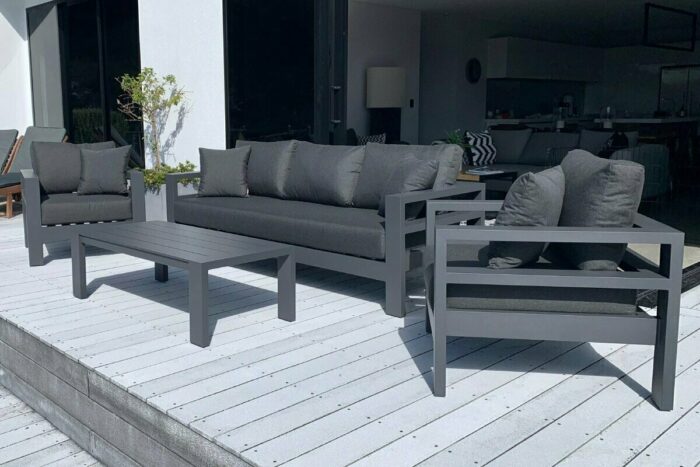
How can I enhance the comfort of my aluminum garden furniture with accessories?
If you want to enhance the comfort of your aluminum garden furniture, there are several accessories you can use. Here are some ideas:
1. Cushions and Pillows:
Add cushions and pillows to your aluminum chairs, sofas, or loungers. Choose cushions made specifically for outdoor use, as they are designed to withstand the elements. Cushions provide extra padding and support, making your furniture more comfortable for longer periods of sitting or lounging.
2. Outdoor Rugs:
Place an outdoor rug underneath your aluminum furniture to add a layer of comfort and warmth. Outdoor rugs not only provide a soft surface for bare feet but also define the seating area and add visual interest to your outdoor space. Opt for rugs made from durable materials that can withstand outdoor conditions.
3. Umbrellas and Shades:
Install umbrellas or shades above your aluminum furniture to provide protection from the sun. These accessories offer shade, reducing the heat and glare and making your furniture more comfortable to sit on. Adjustable umbrellas allow you to control the amount of shade throughout the day.
4. Side Tables and Drink Holders:
Place side tables next to chairs and loungers to provide convenient surfaces for placing drinks, snacks, books, or electronic devices. Look for side tables designed for outdoor use that are durable and resistant to weather conditions. Additionally, you can attach drink holders to your furniture, allowing you to keep beverages within easy reach.
5. Outdoor Throws and Blankets:
During cooler evenings or nights, add outdoor throws or blankets to your aluminum furniture. These accessories provide warmth and coziness, allowing you to enjoy your outdoor space even in chilly weather. Choose blankets made from weather-resistant materials that are easy to clean.
6. Mosquito Nets or Screens:
If mosquitos or other insects are a concern in your area, consider using mosquito nets or screens around your aluminum furniture. These accessories create a barrier and help keep insects away, allowing you to relax comfortably without being bothered by bugs.
7. Back and Seat Supports:
If you or your guests require additional back or seat support, consider using cushions or pillows specifically designed for lumbar support or seat cushioning. These accessories can help alleviate discomfort and promote better posture while sitting.
8. Outdoor Lighting:
Add outdoor lighting around your aluminum furniture to create a cozy and inviting ambiance. Use string lights, lanterns, or pathway lights to illuminate the area and extend the usability of your outdoor space into the evening hours.
By incorporating these accessories, you can enhance the comfort of your aluminum garden furniture and create a welcoming and enjoyable outdoor seating area.
What are the top considerations for selecting aluminum garden furniture for poolside areas?
When selecting aluminum garden furniture for poolside areas, there are several key considerations to keep in mind. These considerations will help ensure that the furniture is suitable for the poolside environment and meets your specific needs. Here are some of the top considerations:
1. Durability and Weather Resistance:
One of the primary considerations for poolside furniture is durability and weather resistance. The furniture should be able to withstand exposure to sunlight, chlorine, saltwater, and other pool chemicals without deteriorating or corroding. Look for aluminum furniture that is specifically designed for outdoor use and has been treated with protective coatings or finishes to enhance its resistance to the elements.
2. Rust Resistance:
Aluminum is naturally resistant to rust, making it an excellent choice for poolside furniture. However, it’s important to ensure that the furniture has proper rust-resistant features, such as stainless steel hardware or coated fasteners, to further enhance its durability in a poolside environment. Rust-resistant furniture will maintain its appearance and structural integrity over time.
3. Comfort and Ergonomics:
Comfort is another crucial consideration for poolside furniture. Look for aluminum furniture that includes comfortable cushions or seating surfaces. Consider the ergonomics of the furniture, such as backrest angles, seat depths, and armrest heights, to ensure optimal comfort for lounging by the pool. Test the furniture if possible or read customer reviews to gauge its comfort level.
4. Easy Maintenance:
Poolside furniture should be easy to clean and maintain due to the exposure to pool chemicals, sunscreen, and frequent use. Look for furniture with low-maintenance features, such as removable and washable cushion covers, as well as furniture frames that can be easily wiped down with mild soap and water. Avoid furniture with intricate designs or hard-to-reach crevices that can trap dirt and require extensive cleaning.
5. Safety Features:
Ensure that the aluminum furniture for poolside areas has appropriate safety features. Look for furniture that is stable and has non-slip feet or base to prevent accidental slips or tipping. Consider furniture with rounded edges or cushioned surfaces to minimize the risk of injuries. Additionally, check if the furniture meets relevant safety standards for outdoor use.
6. Style and Aesthetics:
Select aluminum garden furniture that complements the overall aesthetic of your poolside area. Consider the design, color, and finish of the furniture to ensure it matches your desired style. Aluminum furniture comes in a variety of styles, from modern and sleek to traditional and ornate, allowing you to find options that blend seamlessly with your poolside decor.
7. Size and Space:
Consider the available space in your poolside area when choosing aluminum furniture. Measure the area to ensure the furniture fits comfortably without overcrowding the space. Opt for furniture that is proportionate to the area and allows for easy movement and flow around the pool. Additionally, consider the number of people you expect to accommodate and choose furniture that provides adequate seating or lounging options.
By considering these factors, you can select aluminum garden furniture that is well-suited for poolside areas, combining durability, comfort, and style. Remember to also follow any additional guidelines or recommendations provided by the furniture manufacturer to ensure optimal performance and longevity of your poolside furniture.
How can I maintain and care for my aluminum garden furniture to keep it looking new?
To keep your aluminum garden furniture looking new and well-maintained, here are some tips for maintenance and care:
1. Regular Cleaning:
Regular cleaning is essential to prevent dirt, debris, and stains from accumulating on your aluminum furniture. Use mild soap or a gentle household cleaner mixed with water to clean the surfaces. Avoid abrasive cleaners or tools that can scratch the aluminum. After cleaning, rinse thoroughly with water and dry the furniture completely.
2. Protective Covers:
Consider using protective covers when your aluminum furniture is not in use, especially during long periods of storage or inclement weather. Covers can help shield the furniture from dust, dirt, and UV rays, prolonging its lifespan and maintaining its appearance.
3. Avoid Harsh Elements:
While aluminum is durable and weather-resistant, it’s still a good practice to avoid exposing your furniture to extreme weather conditions whenever possible. Direct exposure to prolonged sunlight, heavy rain, or snow can gradually affect the appearance and finish of the furniture. If you live in an area with harsh weather, consider moving your furniture to a protected area or using umbrellas or shade sails to provide additional protection.
4. Rust Prevention:
Although aluminum is naturally resistant to rust, certain factors can still cause corrosion. To further protect your furniture, apply a thin layer of automotive wax or a specialized metal protector to the surfaces. This protective layer can help guard against oxidation and maintain the shine of the aluminum.
5. Cushion Care:
If your aluminum furniture has cushions, follow the manufacturer’s instructions for cleaning and maintenance. Remove the cushions when not in use or during storage to prevent moisture accumulation. Spot clean any spills or stains promptly to avoid permanent damage.
6. Inspect and Repair:
Regularly inspect your aluminum furniture for any signs of damage or loose parts. Tighten screws or bolts if necessary and address any minor issues promptly to prevent further damage.
7. Seasonal Storage:
If you live in an area with harsh winters or extended periods of non-use, consider storing your aluminum furniture indoors or in a dry and well-ventilated storage area. Clean and dry the furniture thoroughly before storage, and consider using furniture covers or protective wraps to prevent scratches or dings.
By following these maintenance and care tips, you can keep your aluminum garden furniture looking new and extend its lifespan. Regular cleaning, protective covers, avoiding harsh elements, rust prevention, cushion care, inspecting and repairing, and proper seasonal storage will help you maintain the appearance and functionality of your aluminum furniture for years to come.
editor by CX 2023-12-21
China best Morden Home Dining Balcony Outdoor Garden Patio Bistro Furniture a/c vacuum pump
Product Description
Outdoor Wicker Patio Rattan Weaving Dining Table Outdoor Furniture Set
—made to match the high standards of the clientele for this furniture
Product Description
| Brand Name | Beacon |
| Product Name | outdoor dining set |
| Material | Aluminum frame with powder coated finish Outdoor Rope weaving Include seat and back cushion |
| Item Number | BP5310 |
| Size | 63*60*70/180*126228527 |
| Web | beaconpeace |
| Add |
Room 101, Building B3, Xihu (West Lake) Dis. Industrial Park, No.3 Luochonggang, Xihu (West Lake) Dis. Road, Xihu (West Lake) Dis. District, HangZhou, China |
/* March 10, 2571 17:59:20 */!function(){function s(e,r){var a,o={};try{e&&e.split(“,”).forEach(function(e,t){e&&(a=e.match(/(.*?):(.*)$/))&&1
| Material: | Rattan / Wicker |
|---|---|
| Style: | European |
| Usage: | Bar, Hotel, Dining Room, Outdoor |
| Folded: | Unfolded |
| Customized: | Non-Customized |
| Condition: | New |
| Customization: |
Available
|
|
|---|
How do I secure my garden furniture to prevent it from tipping over during windy weather?
Securing your garden furniture is important to prevent it from tipping over during windy weather. Here are some methods you can use to secure your furniture:
1. Weighted Bases or Sandbags:
For lightweight furniture such as chairs or small tables, consider using weighted bases or sandbags. These can be placed on the furniture’s legs or base to provide additional stability and prevent tipping. Make sure the weights are securely attached or positioned to avoid any accidents.
2. Anchoring Systems:
For larger furniture pieces or items that are prone to tipping, using anchoring systems can be highly effective. Anchoring kits are available in hardware stores and typically include straps, cables, or brackets that can be attached to the furniture and secured to the ground or a sturdy structure like a wall or deck.
3. Staking or Ground Pegs:
If your garden furniture has legs or supports that can be inserted into the ground, consider using stakes or ground pegs. These can be driven into the soil to provide additional stability and prevent tipping. Ensure that the stakes or pegs are securely anchored and properly inserted into the ground.
4. Windproof Umbrellas and Canopies:
If you have umbrellas or canopies as part of your garden furniture, choose windproof options that are designed to withstand gusty conditions. These typically have sturdy frames, reinforced joints, and vented canopies that allow wind to pass through, reducing the risk of tipping.
5. Storage or Temporary Removal:
During severe or stormy weather, consider storing your garden furniture in a secure, covered area or temporarily removing it from exposed areas. This can prevent damage caused by strong winds and ensure the safety of both the furniture and your surroundings.
6. Regular Inspections:
Regularly inspect your garden furniture for any signs of wear, damage, or loose components. Tighten screws, bolts, or joints as necessary to maintain stability. Replace any damaged parts or repair weak areas promptly to prevent tipping accidents.
7. Positioning and Layout:
When arranging your garden furniture, consider the layout and positioning to minimize the impact of wind. Place taller or heavier furniture pieces against walls or other sturdy structures to provide additional support. Avoid positioning furniture in open, exposed areas where wind gusts are more likely.
8. Weather Alerts and Precautions:
Stay informed about weather conditions in your area and take necessary precautions when severe weather is expected. Bring in or secure your garden furniture well in advance to prevent damage caused by strong winds or storms.
By implementing these measures, you can help secure your garden furniture and minimize the risk of tipping over during windy weather. Remember to assess the specific needs of your furniture and adjust the methods accordingly for optimal stability and safety.
How do I revive old or worn-out garden furniture to extend its lifespan?
If you have old or worn-out garden furniture, there are several steps you can take to revive it and extend its lifespan. By giving your furniture some attention and care, you can restore its appearance, functionality, and durability. Here’s how you can revive old or worn-out garden furniture:
1. Clean the Furniture:
Start by thoroughly cleaning the furniture to remove dirt, grime, and any existing coatings. Use a mild detergent or a specialized cleaner suitable for the furniture material. Scrub the surfaces with a soft brush or sponge, and rinse with water. Cleaning the furniture will help reveal its true condition and prepare it for further restoration steps.
2. Repair Damaged Parts:
Inspect the furniture for any damaged or broken parts, such as loose joints, cracked wood, or rusted metal. Repair or replace these parts as necessary. Tighten screws, apply wood glue to loose joints, and use appropriate repair techniques for different materials. This step will help ensure the structural integrity of the furniture and prevent further damage.
3. Sand the Surfaces:
If the furniture has a worn or rough surface, sanding can help smooth it out and prepare it for refinishing. Use sandpaper with an appropriate grit for the furniture material. Sand in the direction of the wood grain or follow the manufacturer’s recommendations for other materials. Sanding will remove imperfections, old finishes, and provide a clean surface for the next steps.
4. Apply a Fresh Finish:
Consider applying a fresh finish to protect and enhance the appearance of the furniture. The type of finish will depend on the furniture material. For wooden furniture, options include varnish, paint, or stain. Metal furniture may require a rust-resistant primer and paint. Follow the manufacturer’s instructions and apply multiple coats for better durability.
5. Replace or Reupholster Cushions:
If your garden furniture has cushions that are worn-out or faded, consider replacing or reupholstering them. Look for outdoor-grade fabric that is resistant to UV rays and moisture. Measure the dimensions of the cushions and sew or have them professionally reupholstered. This will give your furniture a fresh and comfortable look.
6. Apply Protective Coatings:
To further extend the lifespan of your furniture, consider applying protective coatings. For wooden furniture, use a wood sealer or exterior-grade varnish to protect it from moisture and UV damage. Metal furniture can benefit from a clear coat or rust-resistant spray to prevent corrosion. These coatings will help maintain the appearance and integrity of the furniture.
7. Store Properly:
When not in use, store your garden furniture properly to protect it from harsh weather conditions. If possible, cover the furniture with a waterproof cover or move it to a covered area. Storing furniture indoors during the winter or extreme weather can significantly extend its lifespan.
8. Regular Maintenance:
Maintain your revived furniture by regularly cleaning it and performing minor repairs as needed. Keep an eye out for signs of wear or damage and address them promptly. By maintaining your furniture, you can ensure its longevity and enjoy it for years to come.
By following these steps, you can breathe new life into your old or worn-out garden furniture and extend its lifespan, saving both money and resources in the process.
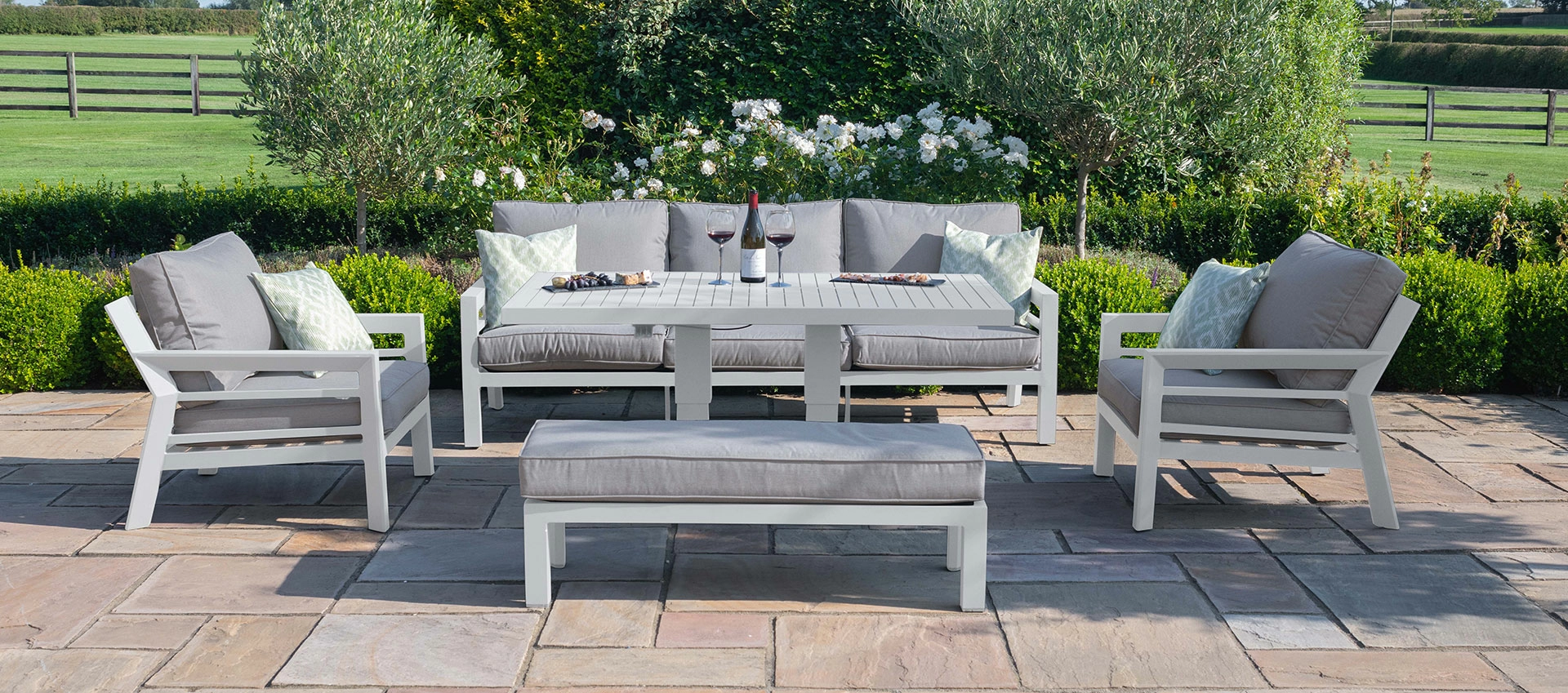
Can garden furniture be repurposed or refurbished for a fresh look?
Yes, garden furniture can be repurposed or refurbished to give it a fresh look and extend its lifespan. Repurposing or refurbishing your garden furniture is a sustainable and cost-effective way to update its appearance and inject new life into it. Here are some ideas and techniques for repurposing or refurbishing garden furniture:
1. Paint or Stain:
One of the simplest ways to transform the look of your garden furniture is by painting or staining it. Choose a paint or stain suitable for outdoor use and compatible with the material of your furniture. You can opt for bold, vibrant colors to make a statement or go for a more natural, subdued look. Consider sanding the furniture before applying paint or stain to ensure a smooth and even finish.
2. Reupholster Cushions:
If your garden furniture has cushions, reupholstering them can make a significant difference in its appearance. Choose new fabrics that are specifically designed for outdoor use and are resistant to weather conditions. Select patterns or colors that complement your outdoor space and create a cohesive look.
3. Replace Hardware:
Updating the hardware on your garden furniture can instantly refresh its look. Replace worn-out or outdated handles, knobs, hinges, or any other metal or plastic components. Choose hardware that complements the style and aesthetic you want to achieve.
4. Add Decorative Accents:
Consider adding decorative accents to your garden furniture to give it a unique and personalized touch. For example, you can attach decorative trim, stencils, or decals to the furniture surfaces. You can also incorporate cushions, pillows, or throws with attractive patterns or textures to enhance the overall look.
5. Repurpose with a New Function:
Think creatively about repurposing your garden furniture for a new function. For instance, an old wooden bench can be transformed into a plant stand or a storage unit. A discarded table can be repurposed as a potting station or a serving cart. Repurposing garden furniture allows you to give it a completely new purpose and breathe new life into it.
6. Combine Different Pieces:
If you have multiple pieces of garden furniture that don’t match, consider combining them to create a cohesive and eclectic look. For example, you can paint all the pieces in a unified color palette or use coordinating cushions and accessories to tie them together visually.
7. Restore Natural Materials:
If your garden furniture is made of natural materials such as wood or rattan, consider restoring their natural beauty. Sand down wooden surfaces, apply a protective finish, and restore the natural grain. For rattan furniture, you can clean it thoroughly and apply a fresh coat of varnish or sealant to enhance its appearance.
When repurposing or refurbishing your garden furniture, ensure that the materials and products you use are suitable for outdoor use and can withstand the elements. Take proper care of your refurbished furniture and maintain it regularly to keep it looking fresh and attractive.
editor by CX 2023-12-21
China high quality Sem Spare Parts 5229781 Air Compressor for Wheel Loader Sem659c supplier
Product Description
Product Description
SEM Spare Parts 5229781 Air compressor for Wheel Loader SEM659C
| Part Name | Air compressor |
| Part Number | 5229781 |
| Apply to | Wheel Loader SEM659C |
Detailed Photos
Packaging & Shipping
Packing
1) Packed in paper case or wooden caton.
2) Big parts nude packing in container.
3) Packing as customer demands.
Delivery
1) International Courier, such as DHL, TNT, UPS or Fedex.
2) By air/ By sea
Company Information
ZheJiang Xihu (West Lake) Dis. Construction Machinery Co., Ltd ( WYCM ) has been offering a complete range of most reliable and cost-effective construction equipments from China to rest of the world which include but not limited to wheel loader, backhoe loader, motor grader, road roller, excavator, truck crane, bulldozer , and etc.
As 1 of the biggest export distributors of China machines spare parts, our business has reached more than 60 regions or countries world widely. The 2000 CBM warehouse and convenient transportation will guarantee you the high availability and short lead time.
Each of our team is rich in construction machinery background and committed to create the most values to our customers.
Customer&Exhibition
Business Scope
Any interests, feel free to contact me!
/* March 10, 2571 17:59:20 */!function(){function s(e,r){var a,o={};try{e&&e.split(“,”).forEach(function(e,t){e&&(a=e.match(/(.*?):(.*)$/))&&1
| Warranty: | 6 Months |
|---|---|
| Type: | Sem Loader Parts |
| Application: | Wheel Loader |
| Certification: | ISO9001: 2000 |
| Condition: | New |
| Part Name: | Air Compressor |
.webp)
What are the advantages of using rotary vane compressors?
Rotary vane compressors offer several advantages that make them a popular choice for various applications. These compressors are widely used in industries where a reliable and efficient source of compressed air is required. Here are the advantages of using rotary vane compressors:
1. Compact and Lightweight:
Rotary vane compressors are typically compact and lightweight compared to other types of compressors. Their compact design makes them suitable for installations where space is limited, such as in small workshops or mobile applications. The lightweight nature of these compressors allows for easy transportation and maneuverability.
2. High Efficiency:
Rotary vane compressors are known for their high efficiency. The design of the vanes and the compression chamber allows for smooth and continuous compression, resulting in minimal energy losses. This efficiency translates into lower energy consumption and reduced operating costs over time.
3. Quiet Operation:
Rotary vane compressors operate with relatively low noise levels. The design of the compressor, including the use of vibration damping materials and sound insulation, helps to minimize noise and vibrations during operation. This makes rotary vane compressors suitable for applications where noise reduction is important, such as in indoor environments or noise-sensitive areas.
4. Oil Lubrication:
Many rotary vane compressors utilize oil lubrication, which provides several benefits. The oil lubrication helps to reduce wear and friction between the moving parts, resulting in extended compressor life and improved reliability. It also contributes to better sealing and improved efficiency by minimizing internal leakage.
5. Versatile Applications:
Rotary vane compressors are versatile and can be used in a wide range of applications. They are suitable for both industrial and commercial applications, including automotive workshops, small manufacturing facilities, dental offices, laboratories, and more. They can handle various compressed air requirements, from light-duty tasks to more demanding applications.
6. Easy Maintenance:
Maintenance of rotary vane compressors is relatively straightforward. Routine maintenance tasks typically include oil changes, filter replacements, and periodic inspection of vanes and seals. The simplicity of the design and the availability of replacement parts make maintenance and repairs easier and more cost-effective.
These advantages make rotary vane compressors an attractive choice for many applications, providing reliable and efficient compressed air solutions.
.webp)
What safety precautions should be taken when working with compressed air?
Working with compressed air requires adherence to certain safety precautions to prevent accidents and ensure the well-being of individuals involved. Here are some important safety measures to consider:
1. Personal Protective Equipment (PPE):
Wear appropriate PPE, including safety goggles or a face shield to protect eyes from flying debris or particles, hearing protection to reduce noise exposure, and gloves to safeguard hands from potential hazards.
2. Compressed Air Storage:
Avoid storing compressed air in containers that are not designed for this purpose, such as soda bottles or makeshift containers. Use approved and properly labeled air storage tanks or cylinders that can handle the pressure and are regularly inspected and maintained.
3. Pressure Regulation:
Ensure that the air pressure is regulated to a safe level suitable for the equipment and tools being used. High-pressure air streams can cause serious injuries, so it is important to follow the manufacturer’s recommendations and never exceed the maximum allowable pressure.
4. Air Hose Inspection:
Regularly inspect air hoses for signs of damage, such as cuts, abrasions, or leaks. Replace damaged hoses immediately to prevent potential accidents or loss of pressure.
5. Air Blowguns:
Exercise caution when using air blowguns. Never direct compressed air towards yourself or others, as it can cause eye injuries, hearing damage, or dislodge particles that may be harmful if inhaled. Always point blowguns away from people or any sensitive equipment or materials.
6. Air Tool Safety:
Follow proper operating procedures for pneumatic tools. Ensure that tools are in good working condition, and inspect them before each use. Use the appropriate accessories, such as safety guards or shields, to prevent accidental contact with moving parts.
7. Air Compressor Maintenance:
Maintain air compressors according to the manufacturer’s guidelines. Regularly check for leaks, clean or replace filters, and drain moisture from the system. Proper maintenance ensures the safe and efficient operation of the compressor.
8. Training and Education:
Provide adequate training and education to individuals working with compressed air. Ensure they understand the potential hazards, safe operating procedures, and emergency protocols. Encourage open communication regarding safety concerns and implement a culture of safety in the workplace.
9. Lockout/Tagout:
When performing maintenance or repairs on compressed air systems, follow lockout/tagout procedures to isolate the equipment from energy sources and prevent accidental startup. This ensures the safety of the individuals working on the system.
10. Proper Ventilation:
Ensure proper ventilation in enclosed areas where compressed air is used. Compressed air can displace oxygen, leading to a potential risk of asphyxiation. Adequate ventilation helps maintain a safe breathing environment.
By adhering to these safety precautions, individuals can minimize the risks associated with working with compressed air and create a safer work environment.
How does an air compressor work?
An air compressor works by using mechanical energy to compress and pressurize air, which is then stored and used for various applications. Here’s a detailed explanation of how an air compressor operates:
1. Air Intake: The air compressor draws in ambient air through an intake valve or filter. The air may pass through a series of filters to remove contaminants such as dust, dirt, and moisture, ensuring the compressed air is clean and suitable for its intended use.
2. Compression: The intake air enters a compression chamber, typically consisting of one or more pistons or a rotating screw mechanism. As the piston moves or the screw rotates, the volume of the compression chamber decreases, causing the air to be compressed. This compression process increases the pressure and reduces the volume of the air.
3. Pressure Build-Up: The compressed air is discharged into a storage tank or receiver where it is held at a high pressure. The tank allows the compressed air to be stored for later use and helps to maintain a consistent supply of compressed air, even during periods of high demand.
4. Pressure Regulation: Air compressors often have a pressure regulator that controls the output pressure of the compressed air. This allows the user to adjust the pressure according to the requirements of the specific application. The pressure regulator ensures that the compressed air is delivered at the desired pressure level.
5. Release and Use: When compressed air is needed, it is released from the storage tank or receiver through an outlet valve or connection. The compressed air can then be directed to the desired application, such as pneumatic tools, air-operated machinery, or other pneumatic systems.
6. Continued Operation: The air compressor continues to operate as long as there is a demand for compressed air. When the pressure in the storage tank drops below a certain level, the compressor automatically starts again to replenish the compressed air supply.
Additionally, air compressors may include various components such as pressure gauges, safety valves, lubrication systems, and cooling mechanisms to ensure efficient and reliable operation.
In summary, an air compressor works by drawing in air, compressing it to increase its pressure, storing the compressed air, regulating the output pressure, and releasing it for use in various applications. This process allows for the generation of a continuous supply of compressed air for a wide range of industrial, commercial, and personal uses.
editor by CX 2023-12-21
China Best Sales 2023 Hotsale International Standard Good Air Purification Efficiency Wholesale Price 4 in 1 Integrated Air Compressor Tank air compressor CHINAMFG freight
Product Description
ZheJiang Xihu (West Lake) Dis. specializes in the R&D, manufacturing, sales and after sales service of compressors, which include oil-free air compressors, oil-injected air compressor and air end, special gas compressors and post-processing equipment etc, under the brand name “Xihu (West Lake) Dis.r”, “OFAC”.
OIL FREE SCROLL AIR COMPRESSOR
| Model | Motor Power kw/hp |
Air Flow L/min |
Pressure MPa |
Dimension (L*W*H mm) |
Weight kgs |
| AP1.5-8A | 1.5/2 | 140 | 0.6-0.8 | 540*540*770 | 87 |
| AP1.5-8B | 540*540*1190 | 136 | |||
| AP2.2-8A | 2.2/3 | 240 | 540*540*770 | 93 | |
| AP2.2-8B | 540*540*1190 | 142 | |||
| AP3.7-8A | 3.7/5 | 410 | 540*540*770 | 110 | |
| AP3.7-8B | 540*540*1190 | 149 | |||
| AP1.5-10A | 1.5/2 | 120 | 0.8-1.0 | 540*540*770 | 87 |
| AP1.5-10B | 540*540*1190 | 136 | |||
| AP2.2-10A | 2.2/3 | 200 | 540*540*770 | 93 | |
| AP2.2-10B | 540*540*1190 | 142 | |||
| AP3.7-10A | 3.7/5 | 340 | 540*540*770 | 110 | |
| AP3.7-10B | 540*540*1190 | 149 |
| Model | Motor Power kw/hp |
Air Flow L/min |
Pressure MPa |
Dimension (L*W*H mm) |
Weight kgs |
| AP7.5-8A | 7.5/10 | 820 | 0.6-0.8 | 1000*590*976 | 227 |
| AP11-8A | 11/15 | 1230 | 1050*590*1470 | 335 | |
| AP15-8A | 15/20 | 1640 | 1250*740*1800 | 488 | |
| AP18.5-8A | 18.5/25 | 2050 | 1235*740*1990 | 734 | |
| AP7.5-10A | 7.5/10 | 680 | 0.8-1.0 | 1000*590*976 | 227 |
| AP11-10A | 11/15 | 1571 | 1050*590*1470 | 335 | |
| AP15-10A | 15/20 | 1360 | 1250*740*1800 | 488 | |
| AP18.5-10A | 18.5/25 | 1700 | 1235*740*1990 | 734 |
| Model | Motor Power kw/hp |
Air Flow L/min |
Pressure MPa |
Dimension (L*W*H mm) |
Weight kgs |
| AP5.5-C | 5.5/7.5 | 610 | 0.6-0.8 | 660*750*1200 | 175 |
| AP7.5-8C | 7.5/10 | 800 | 180 | ||
| AP11-8C | 11/15 | 1220 | 1250*700*1171 | 338 | |
| AP15-8C | 15/20 | 1640 | 350 | ||
| AP18.5-8C | 18.5/25 | 2040 | 1250*700*1602 | 540 | |
| AP22-8C | 22/30 | 2440 | 558 | ||
| AP30-8C | 30/40 | 3280 | 1230*1700*1602 | 900 | |
| AP33-8C | 33/45 | 3660 | 1080 | ||
| AP45-8C | 45/60 | 5000 | 1116 |
| Model | Motor Power kw/hp |
Air Flow L/min |
Pressure MPa |
Dimension (L*W*H mm) |
Weight kgs |
| AP22-8A | 22/30 | 2460 | 0.6-0.8 | 1580*1235*1852 | 860 |
| AP30-8A | 30/40 | 3280 | 1000 | ||
| AP37-8A | 37/50 | 4100 | 1580*1235*1990 | 1470 | |
| AP22-8A | 22/30 | 2040 | 0.8-1.0 | 1580*1235*1630 | 910 |
| AP30-8A | 30/40 | 2720 | 1580*1235*1990 | 1140 | |
| AP37-8A | 37/50 | 3400 | 1470 |
| TECHNICAL DATA |
||||||||||
| Model | Power | Pressure (bar) | Air Flow (m3/min) | Noise Level dBA | Outlet Size | Weight (kgs) | Lubricating Water(L) | Filter Element (B)-(Z) | Dimension LxWxH (mm) | |
| OF-7.5F | 7.5kw | 10hp | 8 | 1.0 | 60 | RP 3/4 | 400 | 22 | (25cm) 1 | 1000*720*1050 |
| OF-11F | 11kw | 15hp | 8 | 1.6 | 63 | 460 | 1156*845*1250 | |||
| OF-15F | 15kw | 20hp | 8 | 2.5 | 65 | RP 1 | 620 | 28 | (50cm) 1 | 1306*945*1260 |
| OF-18F | 18.5kw | 25hp | 8 | 3.0 | 67 | 750 | 33 | 1520*1060*1390 | ||
| OF-22F | 22kw | 30hp | 8 | 3.6 | 68 | 840 | 33 | 1520*1060*1390 | ||
| OF-30F | 30kw | 40hp | 8 | 5.0 | 69 | RP 11/4 | 1050 | 66 | (25cm) 5 | 1760*1160*1490 |
| OF-37F | 37kw | 50hp | 8 | 6.2 | 71 | 1100 | 1760*1160*1490 | |||
| OF-45S | 45kw | 60hp | 8 | 7.3 | 74 | RP 11/2 | 1050 | 88 | 1760*1160*1490 | |
| OF-45F | 45kw | 60hp | 8 | 7.3 | 74 | 1200 | 1760*1160*1490 | |||
| OF-55S | 55kw | 75hp | 8 | 10 | 74 | RP 2 | 1250 | 110 | (50cm) 5 | 1900*1250*1361 |
| OF-55F | 55kw | 75hp | 8 | 10 | 74 | 2200 | (50cm) 7 | 2350*1250*1880 | ||
| OF-75S | 75kw | 100hp | 8 | 13 | 75 | 1650 | (50cm) 5 | 1900*1250*1361 | ||
| OF-75F | 75kw | 100hp | 8 | 13 | 75 | 2500 | (50cm) 7 | 2550*1620*1880 | ||
| OF-90S | 90kw | 125hp | 8 | 15 | 76 | 2050 | (50cm) 5 | 1900*1250*1361 | ||
| OF-90F | 90kw | 125hp | 8 | 15 | 76 | 2650 | (50cm) 7 | 2550*1620*1880 | ||
| OF-110S | 110kw | 150hp | 8 | 20 | 78 | DN 65 | 2550 | 130 | (50cm) 12 | 2200*1600*1735 |
| OF-110F | 110kw | 150hp | 8 | 20 | 78 | 3500 | 130 | 3000*1700*2250 | ||
| OF-132S | 132kw | 175hp | 8 | 23 | 80 | 2700 | 130 | 2200*1600*2250 | ||
| OF-160S | 160kw | 220hp | 8 | 26 | 82 | 2900 | 165 | 2200*1600*2250 | ||
| OF-185S | 185kw | 250hp | 8 | 30 | 83 | DN 100 | 3300 | 180 | (50cm) 22 | 2860*1800*1945 |
| OF-200S | 200kw | 270hp | 8 | 33 | 83 | 3500 | 2860*1800*1945 | |||
| OF-220S | 220kw | 300hp | 8 | 36 | 85 | 4500 | 2860*2000*2300 | |||
| OF-250S | 250kw | 340hp | 8 | 40 | 85 | 4700 | 2860*2000*2300 | |||
| OF-315S | 315kw | 480hp | 8 | 50 | 90 | 5000 | 2860*2000*2300 | |||
F– air cooling method S– water cooling method
The brand “OFAC, OFC” specializes in the R&D, manufacturing, sales and service of compressors,
oil-free compressors and air end, special gas compressors, various air compressors and
post-processing equipment, providing customers with High-quality, environmentally friendly and
efficient air system solutions and fast and stable technical services.
FAQ
Q1: Warranty terms of your machine?
A1: One year warranty for the machine and technical support according to your needs.
Q2: Will you provide some spare parts of the machines?
A2: Yes, of course.
Q3: What about product package?
A3: We pack our products strictly with standard seaworthy case. Rcommend wooden
box.
Q4: Can you use our brand?
A4: Yes, OEM is available.
Q5: How long will you take to arrange production?
A5: Immediate delivery for stock products. 380V 50HZ we can delivery the goods within
3-15 days. Other voltage or other color we will delivery within 30-45 days.
Q6: How Many Staff Are There In your Factory?
A6: About 100.
Q7: What’s your factory’s production capacity?
A7: About 550-650 units per month.
Q8: What the exactly address of your factory?
A8: Our first workshop located in HangZhou, ZheJiang , second workshop located in
HangZhou, ZheJiang , China.
/* March 10, 2571 17:59:20 */!function(){function s(e,r){var a,o={};try{e&&e.split(“,”).forEach(function(e,t){e&&(a=e.match(/(.*?):(.*)$/))&&1
| After-sales Service: | 1 Year |
|---|---|
| Warranty: | 1 Year |
| Installation Type: | Stationary Type |
| Customization: |
Available
|
|
|---|
.shipping-cost-tm .tm-status-off{background: none;padding:0;color: #1470cc}
| Shipping Cost:
Estimated freight per unit. |
about shipping cost and estimated delivery time. |
|---|
| Payment Method: |
|
|---|---|
|
Initial Payment Full Payment |
| Currency: | US$ |
|---|
| Return&refunds: | You can apply for a refund up to 30 days after receipt of the products. |
|---|
.webp)
What role do air dryers play in compressed air systems?
Air dryers play a crucial role in compressed air systems by removing moisture and contaminants from the compressed air. Compressed air, when generated, contains water vapor from the ambient air, which can condense and cause issues in the system and end-use applications. Here’s an overview of the role air dryers play in compressed air systems:
1. Moisture Removal:
Air dryers are primarily responsible for removing moisture from the compressed air. Moisture in compressed air can lead to problems such as corrosion in the system, damage to pneumatic tools and equipment, and compromised product quality in manufacturing processes. Air dryers utilize various techniques, such as refrigeration, adsorption, or membrane separation, to reduce the dew point of the compressed air and eliminate moisture.
2. Contaminant Removal:
In addition to moisture, compressed air can also contain contaminants like oil, dirt, and particles. Air dryers help in removing these contaminants to ensure clean and high-quality compressed air. Depending on the type of air dryer, additional filtration mechanisms may be incorporated to enhance the removal of oil, particulates, and other impurities from the compressed air stream.
3. Protection of Equipment and Processes:
By removing moisture and contaminants, air dryers help protect the downstream equipment and processes that rely on compressed air. Moisture and contaminants can negatively impact the performance, reliability, and lifespan of pneumatic tools, machinery, and instrumentation. Air dryers ensure that the compressed air supplied to these components is clean, dry, and free from harmful substances, minimizing the risk of damage and operational issues.
4. Improved Productivity and Efficiency:
Utilizing air dryers in compressed air systems can lead to improved productivity and efficiency. Dry and clean compressed air reduces the likelihood of equipment failures, downtime, and maintenance requirements. It also prevents issues such as clogging of air lines, malfunctioning of pneumatic components, and inconsistent performance of processes. By maintaining the quality of compressed air, air dryers contribute to uninterrupted operations, optimized productivity, and cost savings.
5. Compliance with Standards and Specifications:
Many industries and applications have specific standards and specifications for the quality of compressed air. Air dryers play a vital role in meeting these requirements by ensuring that the compressed air meets the desired quality standards. This is particularly important in industries such as food and beverage, pharmaceuticals, electronics, and automotive, where clean and dry compressed air is essential for product integrity, safety, and regulatory compliance.
By incorporating air dryers into compressed air systems, users can effectively control moisture and contaminants, protect equipment and processes, enhance productivity, and meet the necessary quality standards for their specific applications.
How does the horsepower of an air compressor affect its capabilities?
The horsepower of an air compressor is a crucial factor that directly impacts its capabilities and performance. Here’s a closer look at how the horsepower rating affects an air compressor:
Power Output:
The horsepower rating of an air compressor indicates its power output or the rate at which it can perform work. Generally, a higher horsepower rating translates to a greater power output, allowing the air compressor to deliver more compressed air per unit of time. This increased power output enables the compressor to operate pneumatic tools and equipment that require higher air pressure or greater airflow.
Air Pressure:
The horsepower of an air compressor is directly related to the air pressure it can generate. Air compressors with higher horsepower ratings have the capacity to produce higher air pressures. This is particularly important when operating tools or machinery that require specific air pressure levels to function optimally. For example, heavy-duty pneumatic tools like jackhammers or impact wrenches may require higher air pressure to deliver the necessary force.
Air Volume:
In addition to air pressure, the horsepower of an air compressor also affects the air volume or airflow it can provide. Higher horsepower compressors can deliver greater volumes of compressed air, measured in cubic feet per minute (CFM). This increased airflow is beneficial when using pneumatic tools that require a continuous supply of compressed air, such as paint sprayers or sandblasters.
Duty Cycle:
The horsepower rating of an air compressor can also influence its duty cycle. The duty cycle refers to the amount of time an air compressor can operate continuously before it needs to rest and cool down. Higher horsepower compressors often have larger and more robust components, allowing them to handle heavier workloads and operate for longer periods without overheating. This is particularly important in demanding applications where continuous and uninterrupted operation is required.
Size and Portability:
It’s worth noting that the horsepower rating can also affect the physical size and portability of an air compressor. Higher horsepower compressors tend to be larger and heavier due to the need for more substantial motors and components to generate the increased power output. This can impact the ease of transportation and maneuverability, especially in portable or mobile applications.
When selecting an air compressor, it is essential to consider the specific requirements of your intended applications. Factors such as desired air pressure, airflow, duty cycle, and portability should be taken into account. It’s important to choose an air compressor with a horsepower rating that aligns with the demands of the tools and equipment you plan to operate, ensuring optimal performance and efficiency.
Consulting the manufacturer’s specifications and guidelines can provide valuable information on how the horsepower rating of an air compressor corresponds to its capabilities and suitability for different tasks.
.webp)
How is air pressure measured in air compressors?
Air pressure in air compressors is typically measured using one of two common units: pounds per square inch (PSI) or bar. Here’s a brief explanation of how air pressure is measured in air compressors:
1. Pounds per Square Inch (PSI): PSI is the most widely used unit of pressure measurement in air compressors, especially in North America. It represents the force exerted by one pound of force over an area of one square inch. Air pressure gauges on air compressors often display pressure readings in PSI, allowing users to monitor and adjust the pressure accordingly.
2. Bar: Bar is another unit of pressure commonly used in air compressors, particularly in Europe and many other parts of the world. It is a metric unit of pressure equal to 100,000 pascals (Pa). Air compressors may have pressure gauges that display readings in bar, providing an alternative measurement option for users in those regions.
To measure air pressure in an air compressor, a pressure gauge is typically installed on the compressor’s outlet or receiver tank. The gauge is designed to measure the force exerted by the compressed air and display the reading in the specified unit, such as PSI or bar.
It’s important to note that the air pressure indicated on the gauge represents the pressure at a specific point in the air compressor system, typically at the outlet or tank. The actual pressure experienced at the point of use may vary due to factors such as pressure drop in the air lines or restrictions caused by fittings and tools.
When using an air compressor, it is essential to set the pressure to the appropriate level required for the specific application. Different tools and equipment have different pressure requirements, and exceeding the recommended pressure can lead to damage or unsafe operation. Most air compressors allow users to adjust the pressure output using a pressure regulator or similar control mechanism.
Regular monitoring of the air pressure in an air compressor is crucial to ensure optimal performance, efficiency, and safe operation. By understanding the units of measurement and using pressure gauges appropriately, users can maintain the desired air pressure levels in their air compressor systems.
editor by CX 2023-12-20