Product Description
no need installation , open then can be used!
logo is can be printed
3*3 M have stock !
with lighter or no lighter on umbrella can be choosed! (+usd 63/set if need lighter)
Company Profile
CHINAMFG is a subsidiary of Meiteng outdoor Factory, we are a big OUTDOOR PRODUCTS factory in ZheJiang , China with more than 20 years manufacturing experience, is a professional manufacturer engaged in the research, development, production, sale and service of outdoor furniture and umbrellas. Our factory located in Lechong Town, Xihu (West Lake) Dis. District, ZheJiang province, China. Close to Xihu (West Lake) Dis. Internetional Airport. Our company set up a design team and Engineering team to serve overseas customers. Selling well in all cities and provinces around China, our products are also exported to clients in such countries and regions as United State, Canada, United Kingdom, Saudi Arabic etc, and own excellent reputation in the world. We also welcome O E M and O D M orders. Whether selecting a current product from our catalogue or seeking engineering assistance for your application, you can talk to our customer service center about your sourcing requirements…
Factory add: Lechong Town, Xihu (West Lake) Dis. District, ZheJiang province, China
Different kinds of products are available in our company. We′re pleased to get your Inquiry and we will reply you as soon as possible. We stick to the principle of “quality first, service first, continuous improvement and innovation to meet the customers” for the management and “zero defect, zero complaints” as the quality objective.
/* March 10, 2571 17:59:20 */!function(){function s(e,r){var a,o={};try{e&&e.split(“,”).forEach(function(e,t){e&&(a=e.match(/(.*?):(.*)$/))&&1
| Frame Material: | Aluminum |
|---|---|
| Shape: | Square |
| Back: | No |
| Samples: |
US$ 350/Piece
1 Piece(Min.Order) | Order Sample |
|---|
| Customization: |
Available
|
|
|---|
.shipping-cost-tm .tm-status-off{background: none;padding:0;color: #1470cc}
| Shipping Cost:
Estimated freight per unit. |
about shipping cost and estimated delivery time. |
|---|
| Payment Method: |
|
|---|---|
|
Initial Payment Full Payment |
| Currency: | US$ |
|---|
| Return&refunds: | You can apply for a refund up to 30 days after receipt of the products. |
|---|
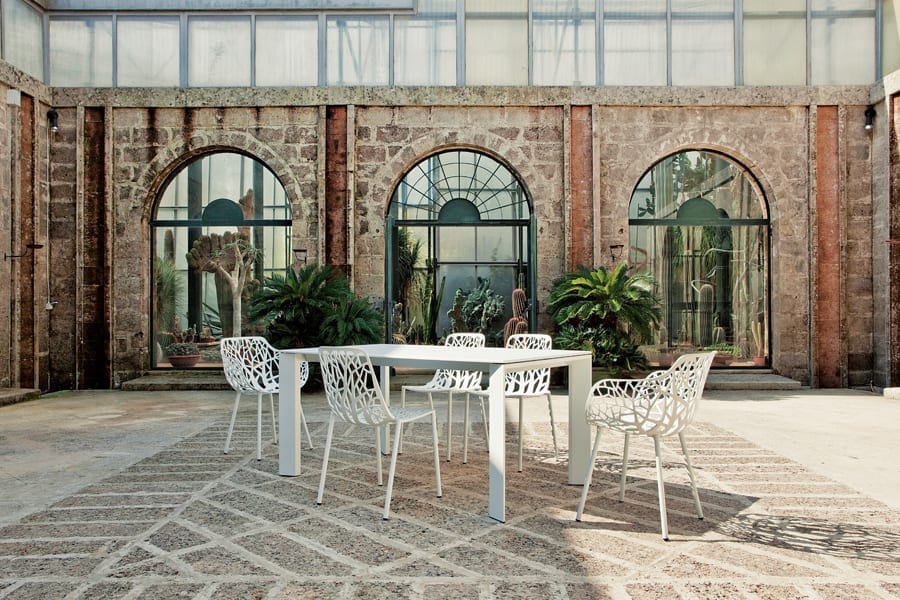
Are there any DIY projects for customizing aluminum garden furniture pieces?
Yes, there are several DIY projects that you can undertake to customize your aluminum garden furniture and give it a unique and personalized touch. Here are some ideas:
1. Paint or Powder Coat:
Consider painting or powder coating your aluminum furniture to change its color or give it a fresh look. Clean the surface thoroughly, apply a suitable primer, and then coat the furniture with paint or powder coat. Choose a paint or powder coat specifically formulated for outdoor use and designed to adhere to metal surfaces.
2. Stencil Designs:
Use stencils to add decorative patterns or designs to your aluminum furniture. You can stencil the seat backs, tabletops, or any other flat surface. Select a stencil design that complements your outdoor decor and use outdoor-rated paint or spray paint for durability.
3. Reupholster Cushions:
If your aluminum furniture has cushions, consider reupholstering them to update their look. Choose outdoor fabrics that are resistant to fading and can withstand outdoor conditions. Remove the old fabric, measure and cut the new fabric, and sew or staple it onto the cushions for a fresh and customized appearance.
4. Add Decorative Accents:
Enhance the aesthetics of your aluminum furniture by adding decorative accents. For example, you can attach decorative knobs or drawer pulls to drawers or doors, incorporate mosaic tiles onto tabletops, or use adhesive decals or vinyl stickers to create unique designs or patterns.
5. Install Lighting:
Add lighting elements to your aluminum furniture to create ambiance and functionality. You can attach LED strip lights underneath the furniture for a subtle glow, install solar-powered lights on tabletops or chair arms, or incorporate string lights around the furniture for a festive touch.
6. Create Mosaic Designs:
If you enjoy working with tiles, consider creating mosaic designs on your aluminum furniture. Use adhesive or grout to attach small tiles or broken pieces of tiles to tabletops, seat backs, or other suitable surfaces. Mosaic designs can add a vibrant and artistic element to your furniture.
7. Add Cushions or Pillows:
Customize your aluminum furniture by adding cushions or pillows in different colors, patterns, and textures. This simple addition can instantly change the look and feel of the furniture, making it more comfortable and visually appealing.
8. Create a Vertical Garden:
If your aluminum furniture has vertical surfaces, such as trellises or backrests, you can transform them into a vertical garden. Attach small pots or planters to the surface and fill them with your favorite plants or herbs. This DIY project adds a green and natural element to your furniture.
These are just a few DIY projects to customize your aluminum garden furniture. Get creative and explore different techniques and materials to make your furniture truly unique and reflective of your personal style.
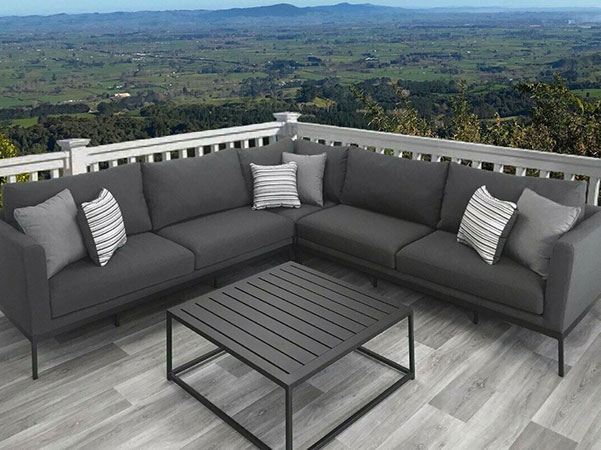
Can aluminum garden furniture be repainted or refinished for a fresh look?
Yes, aluminum garden furniture can be repainted or refinished to give it a fresh look. Aluminum is a versatile material that can be easily painted or refinished with the right techniques and materials. Here are some options to consider:
1. Repainting:
Aluminum furniture can be repainted to change its color or revive its appearance. Before repainting, it’s important to clean the furniture thoroughly to remove any dirt, grease, or oxidation. Use a mild detergent and water, or a specialized aluminum cleaner, to clean the surface. Rinse the furniture and let it dry completely.
Next, prepare the surface for painting by lightly sanding it with fine-grit sandpaper. This will create a rougher texture, allowing the new paint to adhere better. Wipe away any dust or debris from sanding.
Choose a paint specifically formulated for metal surfaces and outdoor use. Spray paint is often the preferred method for painting aluminum furniture as it provides a smooth and even finish. Apply multiple thin coats of paint, allowing each coat to dry before applying the next. Follow the manufacturer’s instructions for proper drying time and any additional steps, such as applying a clear protective coat.
2. Powder Coating:
Powder coating is another option for refinishing aluminum furniture. Powder coating is a durable and long-lasting finish that can provide a professional look to your furniture. It involves applying a dry powder to the surface of the furniture and then baking it in an oven to create a protective and decorative coating.
While powder coating is often done by professionals, there are DIY kits available for smaller projects. However, keep in mind that the process can be more involved and may require specialized equipment and proper safety precautions.
3. Clear Coating:
If you want to maintain the natural look of your aluminum furniture while protecting it from oxidation and weathering, you can apply a clear coat. Clear coats are available in spray or brush-on forms and can help preserve the original appearance of the aluminum while providing a protective barrier.
Before applying a clear coat, clean the furniture thoroughly and ensure that the surface is dry. Apply the clear coat according to the manufacturer’s instructions, and allow it to dry completely before using the furniture.
4. Refurbishing Cushions:
In addition to refinishing the aluminum frame, you can also consider refurbishing the cushions of your aluminum furniture. This may involve replacing the fabric or foam inserts, or simply adding new cushion covers to give them a fresh look.
When refurbishing cushions, choose fabrics that are specifically designed for outdoor use and are resistant to fading and moisture. Ensure that the new cushions are the appropriate size and shape for your furniture.
Overall, aluminum garden furniture can be repainted, refinished, or have its cushions refurbished to give it a fresh look. Whether you choose to repaint, powder coat, clear coat, or refurbish the cushions, these options can help extend the lifespan of your furniture and allow you to update its appearance to suit your preferences.
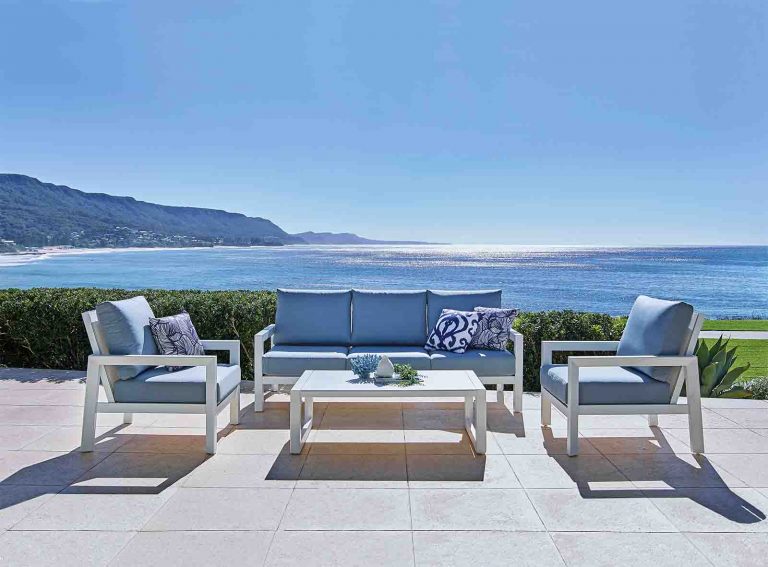
How does aluminum garden furniture compare to other materials like wood or wicker?
When comparing aluminum garden furniture to other materials like wood or wicker, there are several factors to consider. Each material has its own unique characteristics and advantages. Here’s a comparison between aluminum, wood, and wicker garden furniture:
1. Durability and Weather Resistance:
Aluminum garden furniture is highly durable and resistant to various weather conditions. It is rust-resistant, lightweight, and does not require extensive maintenance. On the other hand, wood furniture requires regular maintenance, such as sealing or staining, to protect it from moisture, UV rays, and pests. Wicker furniture, typically made from natural or synthetic fibers, is prone to fading, mold, and mildew if not properly cared for.
2. Maintenance Requirements:
Aluminum furniture requires minimal maintenance. It can be easily cleaned with mild soap and water. Wood furniture, especially if left untreated, may require regular cleaning, sanding, and refinishing to maintain its appearance and durability. Wicker furniture may need occasional cleaning and spot treatment to prevent mold or mildew growth.
3. Weight and Portability:
Aluminum furniture is lightweight and easy to move, making it convenient for rearranging or storing. Wood furniture is heavier and may require more effort to move. Wicker furniture is generally lighter than wood but heavier than aluminum, offering a balance between portability and stability.
4. Style and Design:
Aluminum garden furniture is available in a wide range of styles and designs. It can be shaped and formed into various modern or traditional designs to suit different outdoor aesthetics. Wood furniture offers a classic and natural look, with options for different wood species and finishes. Wicker furniture has a distinct woven texture and is often associated with a more casual or tropical style.
5. Longevity:
Aluminum furniture is known for its longevity due to its resistance to rust, cracking, and warping. With proper care, it can last for many years. Wood furniture can also have a long lifespan if properly maintained, but it may require more regular upkeep. Wicker furniture, especially natural wicker, may have a shorter lifespan compared to aluminum or wood due to its susceptibility to damage from weather and moisture.
6. Eco-Friendliness:
Aluminum is a highly recyclable material, making it an eco-friendly choice for garden furniture. Wood furniture can be sustainable if sourced from responsibly managed forests. Wicker furniture made from natural fibers is biodegradable and renewable, while synthetic wicker may not be as environmentally friendly.
Ultimately, the choice between aluminum, wood, or wicker garden furniture depends on your specific preferences, budget, and the desired look for your outdoor space. Consider factors such as durability, maintenance requirements, style, and environmental impact when making your decision.
editor by CX 2024-02-25
China manufacturer Glowing Round Ball LED Furniture Home Garden Decor Events Solar Bedside Table Lamp Wholesale vacuum pump design
Product Description
Glowing round ball LED Furniture Home Garden Decor Events solar lamp Wholesale
1#. Solar led round ball datasheet:
| specifications & Parameter |
| water drop led lamp | ||||||||||||||||||||||||||||||||||||||||||||||||||||||||||||||||||||||||||||||||||||||||||||||||||||||||||||||||||||||||||||||||||||||||||||||||||||||||||||||||||||||||||||||||||||||||||||||||||||||||||||||||||||||||||||||||||||||||||||||||||||||||||||||||||||||||||||||||||||||||||||||||||||||||||||||||||||||||||||||||||||||||||||||||||||||||||||||||||||||||||||||||||||||||||||||
| Type: | glowing led furniture-led table light,led table lamp, led garden lamp | |||||||||||||||||||||||||||||||||||||||||||||||||||||||||||||||||||||||||||||||||||||||||||||||||||||||||||||||||||||||||||||||||||||||||||||||||||||||||||||||||||||||||||||||||||||||||||||||||||||||||||||||||||||||||||||||||||||||||||||||||||||||||||||||||||||||||||||||||||||||||||||||||||||||||||||||||||||||||||||||||||||||||||||||||||||||||||||||||||||||||||||||||||||||||||||
| Model No.: | CLRB3030S | |||||||||||||||||||||||||||||||||||||||||||||||||||||||||||||||||||||||||||||||||||||||||||||||||||||||||||||||||||||||||||||||||||||||||||||||||||||||||||||||||||||||||||||||||||||||||||||||||||||||||||||||||||||||||||||||||||||||||||||||||||||||||||||||||||||||||||||||||||||||||||||||||||||||||||||||||||||||||||||||||||||||||||||||||||||||||||||||||||||||||||||||||||||||||||||
| Product size: | 30x30x30cm | |||||||||||||||||||||||||||||||||||||||||||||||||||||||||||||||||||||||||||||||||||||||||||||||||||||||||||||||||||||||||||||||||||||||||||||||||||||||||||||||||||||||||||||||||||||||||||||||||||||||||||||||||||||||||||||||||||||||||||||||||||||||||||||||||||||||||||||||||||||||||||||||||||||||||||||||||||||||||||||||||||||||||||||||||||||||||||||||||||||||||||||||||||||||||||||
| Material: | white PE | |||||||||||||||||||||||||||||||||||||||||||||||||||||||||||||||||||||||||||||||||||||||||||||||||||||||||||||||||||||||||||||||||||||||||||||||||||||||||||||||||||||||||||||||||||||||||||||||||||||||||||||||||||||||||||||||||||||||||||||||||||||||||||||||||||||||||||||||||||||||||||||||||||||||||||||||||||||||||||||||||||||||||||||||||||||||||||||||||||||||||||||||||||||||||||||
| Lighting source: | rgb 5050 +white 2835 leds | |||||||||||||||||||||||||||||||||||||||||||||||||||||||||||||||||||||||||||||||||||||||||||||||||||||||||||||||||||||||||||||||||||||||||||||||||||||||||||||||||||||||||||||||||||||||||||||||||||||||||||||||||||||||||||||||||||||||||||||||||||||||||||||||||||||||||||||||||||||||||||||||||||||||||||||||||||||||||||||||||||||||||||||||||||||||||||||||||||||||||||||||||||||||||||||
| Color: | White, blue, pink, green, warm white, yellow, purple,flashing,16colors | |||||||||||||||||||||||||||||||||||||||||||||||||||||||||||||||||||||||||||||||||||||||||||||||||||||||||||||||||||||||||||||||||||||||||||||||||||||||||||||||||||||||||||||||||||||||||||||||||||||||||||||||||||||||||||||||||||||||||||||||||||||||||||||||||||||||||||||||||||||||||||||||||||||||||||||||||||||||||||||||||||||||||||||||||||||||||||||||||||||||||||||||||||||||||||||
| Battery: | charging 5-6 hours,working 9-12hours | |||||||||||||||||||||||||||||||||||||||||||||||||||||||||||||||||||||||||||||||||||||||||||||||||||||||||||||||||||||||||||||||||||||||||||||||||||||||||||||||||||||||||||||||||||||||||||||||||||||||||||||||||||||||||||||||||||||||||||||||||||||||||||||||||||||||||||||||||||||||||||||||||||||||||||||||||||||||||||||||||||||||||||||||||||||||||||||||||||||||||||||||||||||||||||||
| Led lifespan: | 5hours 7)We provide 2 YEAR warranty for all parts. 8)Fast delivery: 7-10days 9)No radioactive rays, safe to use 10)Shipping Way: by sea/by air 4#Trade Term: 5#Shipping Methods 6#FAQ /* March 10, 2571 17:59:20 */!function(){function s(e,r){var a,o={};try{e&&e.split(“,”).forEach(function(e,t){e&&(a=e.match(/(.*?):(.*)$/))&&1
.shipping-cost-tm .tm-status-off{background: none;padding:0;color: #1470cc}
How can I arrange my garden furniture for comfortable outdoor gatherings?To create a comfortable and inviting outdoor gathering space, the arrangement of your garden furniture plays a crucial role. Here are some tips to help you arrange your garden furniture for comfortable outdoor gatherings: 1. Determine the Focal Point: Identify a focal point in your outdoor space, such as a fireplace, a garden feature, or a scenic view. Arrange your furniture to face this focal point, creating a visually appealing and functional layout. 2. Consider the Function: Think about the purpose of your outdoor gatherings. Do you plan to have meals, conversations, or both? Consider the activities you intend to host and arrange the furniture accordingly. For dining-focused gatherings, position a dining table and chairs in a central location. For more conversational gatherings, create cozy seating arrangements with sofas, chairs, and coffee tables. 3. Create Conversation Areas: Arrange your furniture to facilitate conversation and interaction among your guests. Place seating pieces facing each other, forming intimate conversation areas. Ensure there is enough space for easy movement and flow between the different seating arrangements. 4. Provide Ample Seating: Ensure you have enough seating to accommodate your guests comfortably. Mix and match seating options such as chairs, benches, and outdoor sofas to offer variety and cater to different preferences. Consider adding cushions and pillows for extra comfort. 5. Provide Shade: If your outdoor space is exposed to direct sunlight, consider providing shade to keep your guests comfortable. You can use umbrellas, pergolas, or shade sails to create shaded areas where people can gather without being exposed to excessive sunlight. 6. Arrange for Easy Access: Arrange your furniture in a way that allows easy access to all areas. Ensure there are clear pathways and sufficient space for guests to move around comfortably. Avoid placing furniture in narrow or congested areas that may hinder movement. 7. Add Outdoor Accessories: Enhance the comfort and ambiance of your outdoor gathering space by incorporating outdoor accessories. Consider adding outdoor rugs, side tables, decorative lighting, and potted plants to create a welcoming and cozy atmosphere. 8. Consider Weather Protection: Depending on your climate, consider incorporating weather protection elements into your furniture arrangement. This can include adding a pergola, awning, or outdoor curtains to shield your guests from rain or strong winds. 9. Test the Layout: Before finalizing the arrangement, physically test the layout by sitting in different seats and assessing the comfort and functionality. Make any necessary adjustments to ensure that the seating positions, table heights, and overall flow work well for your outdoor gatherings. By considering the function, comfort, and aesthetics of your outdoor space, you can arrange your garden furniture in a way that promotes comfortable and enjoyable outdoor gatherings. Experiment with different layouts and configurations to find the arrangement that best suits your needs and creates a welcoming environment for your guests.
What are the ideal materials for garden furniture cushions that won’t absorb moisture?When selecting cushions for garden furniture, it’s important to choose materials that won’t absorb moisture to ensure durability and easy maintenance. Here are some ideal materials for garden furniture cushions that are resistant to moisture: 1. Solution-Dyed Acrylic: Solution-dyed acrylic is a popular choice for outdoor cushions as it is highly resistant to moisture absorption. The fibers are dyed before they are spun into yarn, resulting in color that permeates the entire fiber. This material is known for its fade resistance, water repellency, and resistance to mold and mildew. Solution-dyed acrylic cushions are also generally easy to clean and maintain. 2. Polyester: Polyester is another suitable material for garden furniture cushions that won’t absorb moisture. It is naturally resistant to water and dries quickly. Polyester cushions are also generally resistant to fading, staining, and mildew. Look for cushions made from high-quality, outdoor-grade polyester fabric for optimal performance. 3. Olefin: Olefin is a synthetic fiber that is resistant to moisture, mold, and mildew. It has excellent water repellency and dries quickly, making it a suitable choice for outdoor cushions. Olefin is also known for its durability and colorfastness, retaining its vibrant colors even with prolonged exposure to sunlight. 4. PVC-Coated Polyester: PVC-coated polyester cushions are designed to be highly water-resistant. The polyester fabric is coated with a layer of polyvinyl chloride (PVC) that creates a waterproof barrier. This coating prevents moisture absorption and makes the cushions easy to clean. PVC-coated polyester cushions are often used in marine and outdoor settings due to their excellent water resistance. 5. Quick-Dry Foam: In addition to the cushion fabric, consider the type of foam used inside the cushions. Quick-dry foam is a high-performance foam that is designed to allow water to quickly drain and evaporate. This foam helps prevent moisture retention inside the cushions, reducing the risk of mold and mildew growth. Quick-dry foam is an excellent choice for outdoor cushions that need to withstand wet conditions. 6. Mesh or Ventilated Fabrics: Another option for moisture-resistant cushions is to choose fabrics with mesh or ventilated designs. These fabrics allow air to circulate more freely, facilitating faster drying and reducing the chances of moisture buildup. Mesh or ventilated cushions can be particularly beneficial in humid climates or areas prone to heavy rainfall. When selecting cushions for your garden furniture, look for materials that offer both comfort and moisture resistance. Consider the specific climate and weather conditions in your area to ensure the cushions are suitable for outdoor use. Regular cleaning and proper maintenance will also help extend the lifespan of your cushions and keep them in good condition.
How can I protect my garden furniture from the elements during the winter?Protecting your garden furniture from the harsh winter elements is essential to prolong its lifespan and keep it in good condition. Here are several steps you can take to protect your furniture: 1. Clean and Dry: Before winter arrives, thoroughly clean your garden furniture to remove any dirt, leaves, or debris. Allow it to dry completely to prevent the growth of mold or mildew during storage. 2. Store Indoors: If possible, store your garden furniture indoors during the winter months. A garage, shed, or basement can provide protection from the elements. This is the most effective way to safeguard your furniture from extreme cold, moisture, and snow. 3. Use Furniture Covers: If indoor storage is not possible, use weatherproof furniture covers to protect your outdoor furniture. Choose covers made from durable materials that are designed to withstand winter conditions. Ensure that the covers are secure and provide full coverage for each piece of furniture. 4. Elevate and Protect: If you cannot store your furniture indoors and it is not practical to cover each piece, elevate the furniture off the ground to prevent contact with wet or frozen surfaces. You can use wooden pallets or furniture risers for this purpose. Additionally, consider using waterproof tarps or plastic sheets to provide temporary protection from rain or snow. 5. Remove Cushions and Upholstery: If your furniture has removable cushions or upholstery, it’s advisable to store them indoors during the winter. This will prevent them from becoming damp, stained, or damaged by freezing temperatures. Clean and dry the cushions before storing them to maintain their condition. 6. Apply Protective Coatings: Before winter sets in, consider applying protective coatings to your wooden or metal furniture. For wooden furniture, use an outdoor furniture oil or sealant to protect it from moisture and prevent cracking or warping. Metal furniture can benefit from a coat of rust-resistant paint or a protective spray. 7. Regular Maintenance: Throughout the winter, periodically check on your stored or covered furniture and ensure that the covers are in good condition. Remove any accumulated snow or debris to prevent damage. If necessary, reapply protective coatings or make repairs to maintain the furniture’s integrity. By following these steps, you can effectively protect your garden furniture from the winter elements and ensure its longevity. Remember, proper storage, covers, and maintenance are key to keeping your furniture in excellent condition for many seasons to come. editor by CX 2024-02-25 China factory Long Bench Garden Public Park Sitting WPC CHINAMFG Wood Slats for Benches supplierProduct Description
Product Description
Specification
Application Used for city construction and outdoor layout, widely used in garden, outdoor, bus station etc Product Show
Company Profile
Certifications
WPC Performance
/* March 10, 2571 17:59:20 */!function(){function s(e,r){var a,o={};try{e&&e.split(“,”).forEach(function(e,t){e&&(a=e.match(/(.*?):(.*)$/))&&1
What types of cushions and fabrics pair well with aluminum garden furniture?When choosing cushions and fabrics to pair with aluminum garden furniture, it’s important to consider both style and practicality. Here are some types of cushions and fabrics that work well with aluminum furniture: 1. Outdoor-Specific Fabrics: Opt for fabrics that are specifically designed for outdoor use. These fabrics are typically made from durable materials that are resistant to fading, mildew, and moisture. Examples include solution-dyed acrylic, polyester, or olefin fabrics. They are often treated to withstand UV rays and are easy to clean. 2. Water-Resistant or Waterproof Fabrics: Consider using water-resistant or waterproof fabrics for your cushions. These fabrics have a protective coating or treatment that repels water and prevents it from seeping into the cushions. They are particularly useful for areas with frequent rain or high humidity. 3. Fade-Resistant Fabrics: Choose fabrics that are fade-resistant to ensure long-lasting vibrant colors. Fabrics with UV protection or those that have been solution-dyed tend to resist fading when exposed to sunlight. This is especially important if your furniture is placed in a sunny area. 4. Quick-Drying Cushions: Consider cushions with quick-drying properties, especially if your furniture is exposed to rain or if you live in a humid climate. These cushions are designed to allow water to drain quickly, preventing moisture buildup and reducing the risk of mold and mildew. 5. Cushion Fill: Consider the type of cushion fill that pairs well with aluminum furniture. Popular options include foam, polyester fiberfill, or a combination of both. Foam provides firm support, while polyester fiberfill offers a softer feel. Choose a cushion fill that suits your comfort preferences. 6. Color and Design: Select cushion colors and designs that complement your aluminum furniture and your outdoor space. Opt for colors that coordinate with the surrounding environment or choose patterns and textures that add visual interest to the overall aesthetic. 7. Removable and Washable Covers: Look for cushions with removable and washable covers. This feature allows for easy cleaning and maintenance, ensuring that your cushions stay fresh and free from dirt and stains. Check the care instructions to ensure that the covers can be safely machine-washed or spot-cleaned. By considering outdoor-specific fabrics, water-resistant or waterproof options, fade-resistant fabrics, quick-drying cushions, cushion fill, color and design choices, and removable and washable covers, you can select cushions and fabrics that not only enhance the comfort and style of your aluminum garden furniture but also withstand outdoor conditions for long-lasting enjoyment.
How do I secure aluminum garden furniture to prevent it from tipping over in strong winds?To prevent aluminum garden furniture from tipping over in strong winds, there are several measures you can take to secure it effectively. Here are some methods to consider: 1. Anchor with Weights: One of the simplest ways to secure your aluminum garden furniture is by using weights or anchors. This method involves attaching heavy objects to the furniture to increase its stability and prevent tipping. You can use sandbags, concrete blocks, or specially designed furniture weights. Place the weights on the base or legs of the furniture to provide additional stability. 2. Tie-Down Straps: Using tie-down straps is another effective method to secure your aluminum garden furniture. These straps are typically made of durable materials like nylon or polyester and have adjustable buckles or hooks. Attach one end of the strap to the furniture and the other end to a stable structure such as a wall, fence, or ground anchor. Tighten the straps to ensure the furniture is securely fastened. 3. Ground Stakes: If your aluminum furniture has legs or a base that can be inserted into the ground, using ground stakes can provide stability. Ground stakes are long, pointed rods that can be driven into the ground next to the furniture legs or base. This helps anchor the furniture and prevent it from tipping over in strong winds. Ensure that the stakes are securely inserted and tightly hold the furniture in place. 4. Wind Clips or Straps: Wind clips or straps are designed specifically to secure outdoor furniture in windy conditions. These clips or straps attach to the furniture and anchor it to the ground or another stable surface. They often come with adjustable features to accommodate different furniture shapes and sizes, providing a secure connection. 5. Store or Seek Shelter: In extreme weather conditions, such as storms or hurricanes, it may be best to store your aluminum garden furniture indoors or in a secure storage area. If indoor storage is not possible, consider seeking shelter for the furniture, such as a covered patio, gazebo, or shed. This can provide protection from strong winds and reduce the risk of tipping. It’s important to assess the specific needs and design of your aluminum garden furniture when choosing a method to secure it. Additionally, always follow manufacturer recommendations and guidelines for securing your furniture, as they may provide specific instructions based on the design and construction of the furniture. By implementing these measures, you can help ensure that your aluminum garden furniture remains stable and secure even in the face of strong winds, reducing the risk of damage or accidents.
What are the benefits of choosing aluminum garden furniture for outdoor spaces?Choosing aluminum garden furniture for outdoor spaces offers several benefits. Aluminum is a popular material for outdoor furniture due to its unique characteristics and advantages. Here are some of the benefits of choosing aluminum garden furniture: 1. Lightweight and Easy to Move: One of the significant advantages of aluminum garden furniture is its lightweight nature. Aluminum is much lighter than materials like iron or steel, making it easy to move and rearrange the furniture as needed. This lightweight property is especially beneficial if you frequently rearrange your outdoor space or need to store the furniture during certain seasons. 2. Rust-Resistant: Aluminum is naturally rust-resistant, which makes it an excellent choice for outdoor furniture. Unlike iron or steel, which may require regular maintenance to prevent rust, aluminum does not rust. This resistance to rust ensures that your aluminum furniture can withstand exposure to various weather conditions, including rain and humidity, without corroding. 3. Durable and Long-Lasting: Aluminum garden furniture is known for its durability and longevity. It is a sturdy material that can withstand the rigors of outdoor use. Aluminum furniture is resistant to cracking, warping, and bending, ensuring that it maintains its structural integrity over time. With proper care and maintenance, aluminum furniture can last for many years, providing you with long-lasting enjoyment. 4. Low Maintenance: Another advantage of aluminum garden furniture is its low maintenance requirements. Unlike wooden furniture that may require staining or sealing, or iron furniture that may need regular painting or coating, aluminum furniture is relatively easy to maintain. It can be cleaned with mild soap and water or a gentle household cleaner. Additionally, aluminum furniture does not require any specific treatments or coatings to maintain its appearance and durability. 5. Versatile Design Options: Aluminum garden furniture is available in a wide range of design options to suit various tastes and styles. Whether you prefer a modern, contemporary look or a more traditional aesthetic, you can find aluminum furniture that fits your outdoor space. Aluminum can be shaped and formed into different styles and designs, allowing for versatility in the appearance of the furniture. 6. Environmentally Friendly: Aluminum is a highly recyclable material, making it an environmentally friendly choice for garden furniture. Choosing aluminum furniture supports sustainable practices by reducing the demand for new materials and minimizing waste. Additionally, aluminum furniture can be recycled at the end of its life cycle, further reducing its environmental impact. Overall, aluminum garden furniture offers numerous benefits, including lightweight portability, rust resistance, durability, low maintenance, versatile design options, and environmental friendliness. These advantages make aluminum an attractive option for outdoor spaces, allowing you to create a stylish and long-lasting outdoor seating area. editor by CX 2024-02-25 China Standard Commercial Grade Outdoor Sofa Set Round Coffee Table Lounge Chair Sofa vacuum pump ac systemProduct Description
Detailed Photos
Company Profile HangZhou XIHU (WEST LAKE) DIS. CHINAMFG CO., LIMITED provides professional and comprehensive production to outdoor furniture with different designs and materials. We accept OEM and CUSTOMIZED orders, aiming to provide good service and good quality outdoor furniture for different commercial projects and wholesale business.
Our Advantages: 5) Commercial standard quality with 3-5 years guarantee.
Our aim is to make you feel like you are an owned-manager and close partner with us.
Material Reference Project Cases /* March 10, 2571 17:59:20 */!function(){function s(e,r){var a,o={};try{e&&e.split(“,”).forEach(function(e,t){e&&(a=e.match(/(.*?):(.*)$/))&&1
How can I prevent outdoor furniture from fading in the sun?To prevent outdoor furniture from fading in the sun, you can take several measures to protect the furniture and extend its lifespan. Here are some tips to consider: 1. Choose Fade-Resistant Materials: Opt for outdoor furniture made from fade-resistant materials. Look for materials specifically designed to withstand sun exposure, such as UV-resistant plastics, fade-resistant fabrics, or furniture with a protective coating. 2. Apply UV-Protective Sealants: Coat your outdoor furniture with a UV-protective sealant or finish. These products create a barrier between the furniture and the sun’s UV rays, helping to prevent fading and discoloration. 3. Use Protective Covers: When the furniture is not in use, cover it with protective covers specifically designed for outdoor furniture. These covers help shield the furniture from direct sunlight and other elements, preventing fading and damage. 4. Provide Shade: Position your outdoor furniture in shaded areas whenever possible. Natural shade provided by trees or umbrellas can help reduce the direct exposure to sunlight, minimizing the risk of fading. 5. Utilize Umbrellas or Canopies: Consider incorporating umbrellas or canopies into your outdoor furniture setup. These shade-providing structures can be adjusted to block the sun’s rays and protect the furniture from excessive exposure. 6. Rearrange Furniture Periodically: Rotate and rearrange your outdoor furniture periodically. This helps distribute the effects of sun exposure more evenly across the furniture, preventing specific areas from fading more quickly than others. 7. Clean and Maintain Regularly: Keep your outdoor furniture clean and well-maintained. Regularly remove dirt, debris, and stains, as they can contribute to the fading process. Follow the manufacturer’s instructions for proper cleaning and maintenance. 8. Store During Extreme Weather: If possible, store your outdoor furniture indoors or in a covered area during extreme weather conditions, such as intense sunlight or heavy rain. This provides additional protection and extends the life of the furniture. 9. Consider Retractable Awnings or Sunshades: If you have a larger outdoor space, consider installing retractable awnings or sunshades. These adjustable covers can be extended to block the sun’s rays when needed, protecting the outdoor furniture from excessive sunlight. By implementing these preventive measures, you can significantly reduce the risk of fading and keep your outdoor furniture looking vibrant and beautiful over time.
What should I look for in outdoor furniture covers to protect against rain and sun?When selecting outdoor furniture covers to protect against rain and sun, there are several factors to consider. Here are some key features to look for: 1. Waterproof or Water-Resistant Material: Look for covers made from waterproof or water-resistant materials to protect your outdoor furniture from rain. Materials such as polyester, vinyl, or specially coated fabrics are effective in repelling water and preventing it from seeping through the cover and damaging the furniture. 2. UV Protection: Sun exposure can cause fading, discoloration, and deterioration of outdoor furniture. Ensure that the covers you choose offer UV protection to shield your furniture from harmful UV rays. Look for covers made from materials with UV-resistant coatings or those specifically designed to block UV radiation. 3. Durable Construction: Outdoor furniture covers should be constructed with durable materials and strong stitching to withstand the elements. Look for covers with reinforced seams and high-quality materials that can resist tearing and abrasion. Reinforced corners or straps can also help secure the covers in place during windy conditions. 4. Proper Fit: It’s important to choose covers that fit your outdoor furniture properly. Covers that are too small may not provide adequate protection, while those that are too large may be prone to being blown away or collecting water. Look for covers with adjustable straps, drawstrings, or elastic hems that allow you to secure them snugly around the furniture. 5. Breathability: While it’s essential for outdoor furniture covers to be waterproof, they should also be breathable to prevent the buildup of condensation and promote airflow. Look for covers with vents or mesh panels that allow moisture to escape, reducing the risk of mold or mildew formation. 6. Ease of Use and Maintenance: Consider covers that are easy to put on and take off your outdoor furniture. Covers with features like zipper closures, Velcro straps, or buckles can make the process more convenient. Additionally, look for covers that are easy to clean and maintain, as they will require periodic washing to remove dirt, debris, and stains. 7. Warranty: Check if the outdoor furniture covers come with a warranty. A warranty indicates that the manufacturer stands behind the quality and durability of their product. When purchasing outdoor furniture covers, it’s advisable to measure your furniture dimensions accurately and choose covers that are designed for your specific furniture type or style. This will ensure a better fit and optimal protection.
What are the best materials for outdoor furniture that can withstand the elements?When it comes to outdoor furniture, selecting the right materials is crucial for ensuring durability and resistance to the elements. Here’s a detailed explanation: 1. Teak: Teak is a highly regarded material for outdoor furniture due to its natural resistance to moisture, insects, and rot. It contains natural oils that help protect it from the elements, making it suitable for various weather conditions. Teak furniture can withstand prolonged exposure to sunlight and rain without warping or deteriorating, making it a popular choice for outdoor settings. 2. Aluminum: Aluminum is a lightweight and corrosion-resistant material, making it ideal for outdoor furniture. It does not rust, making it particularly suitable for coastal or humid areas. Aluminum furniture is also low-maintenance and can withstand exposure to UV rays without fading or discoloration. Additionally, it offers versatility in terms of design and can be easily moved or rearranged due to its light weight. 3. Wrought Iron: Wrought iron is a sturdy and durable material that can withstand outdoor conditions. It is highly resistant to wind, rain, and sunlight. Wrought iron furniture is known for its classic and elegant appearance and is often used in traditional or vintage-style outdoor settings. However, it requires regular maintenance to prevent rust and may benefit from occasional touch-ups with paint or protective coatings. 4. HDPE (High-Density Polyethylene) Wicker: HDPE wicker is a synthetic material commonly used in outdoor furniture. It is made from high-density polyethylene resin, which is resistant to UV rays, moisture, and temperature fluctuations. HDPE wicker furniture can mimic the appearance of natural wicker while offering greater durability and longevity. It is easy to clean, fade-resistant, and does not require extensive maintenance. 5. Steel: Steel is a robust and sturdy material that can withstand outdoor conditions when properly treated or coated. Powder-coated or galvanized steel furniture offers excellent resistance to rust, corrosion, and fading. Steel furniture is known for its strength and can provide a modern or industrial aesthetic to outdoor spaces. 6. Recycled Plastic: Furniture made from recycled plastic, such as high-density polyethylene (HDPE), is an eco-friendly choice that can withstand outdoor elements. Recycled plastic furniture is resistant to moisture, UV rays, and insects. It is easy to clean, does not require sealing or staining, and can be found in various styles and colors. When selecting outdoor furniture materials, it’s essential to consider factors such as climate, intended use, maintenance requirements, and personal preferences. Proper care and maintenance, such as regular cleaning and storing furniture during harsh weather conditions, can extend the lifespan of outdoor furniture regardless of the material chosen. editor by CX 2024-02-25 China wholesaler Customized Design Hotel Garden Furniture Modern with Hot sellingProduct Description
Our Service:
Any question please feel free to contact me. I will be glad to be your assistant.
/* March 10, 2571 17:59:20 */!function(){function s(e,r){var a,o={};try{e&&e.split(“,”).forEach(function(e,t){e&&(a=e.match(/(.*?):(.*)$/))&&1
Can I repurpose indoor furniture for outdoor use with the right treatment?Repurposing indoor furniture for outdoor use is possible with the right treatment and considerations. Here are some important points to keep in mind: 1. Furniture Material: Consider the material of the indoor furniture before repurposing it for outdoor use. Certain materials are better suited for outdoor conditions, such as teak, aluminum, wrought iron, and certain types of synthetic materials. These materials are more resistant to moisture, UV rays, and other outdoor elements. 2. Moisture and Waterproofing: Outdoor environments expose furniture to moisture, rain, and humidity. To repurpose indoor furniture for outdoor use, it’s essential to ensure it is adequately protected against moisture. Use waterproofing treatments, sealants, or outdoor-grade paints to create a protective barrier that prevents water absorption and helps prevent warping, rotting, or mold growth. 3. UV Protection: Indoor furniture is not designed to withstand prolonged exposure to direct sunlight. UV rays can cause fading, discoloration, and deterioration of materials. Apply UV-resistant finishes or use protective covers to shield the repurposed furniture from excessive sunlight. Additionally, consider placing the furniture in shaded areas to minimize direct UV exposure. 4. Maintenance Requirements: Outdoor furniture typically requires more maintenance compared to indoor furniture. Before repurposing indoor furniture, be prepared to invest time and effort into regular cleaning, inspections, and maintenance. Follow the manufacturer’s instructions for care and maintenance, including cleaning techniques, recommended cleaning products, and frequency of maintenance tasks. 5. Consider Climate and Weather: Take into account the climate and weather conditions of your area. If you live in an area with extreme temperatures, high humidity, or frequent rain, the repurposed indoor furniture may be more susceptible to damage. Assess whether the furniture can withstand the local climate and weather patterns before repurposing it for outdoor use. 6. Safety Considerations: Ensure that repurposed indoor furniture is safe for outdoor use. Check for stability, structural integrity, and any potential hazards. Outdoor furniture needs to withstand environmental factors such as wind, rain, and uneven surfaces. Reinforce or repair any weak or damaged areas to ensure the safety of users. 7. Longevity and Lifespan: Repurposed indoor furniture may have a shorter lifespan when used outdoors due to the harsher conditions. Consider the expected longevity of the repurposed furniture and determine if it aligns with your needs and expectations. Keep in mind that even with proper treatment, the furniture may still wear out faster than purpose-built outdoor furniture. 8. Personal Style and Aesthetics: Repurposing indoor furniture for outdoor use allows you to bring your personal style and aesthetics into your outdoor space. Consider the design, colors, and overall look of the furniture to ensure it complements your outdoor environment and desired aesthetic. While it is possible to repurpose indoor furniture for outdoor use with the right treatment, it’s important to carefully evaluate the suitability of the furniture and consider the factors mentioned above. Adhering to proper treatment methods and maintenance routines can help extend the lifespan of repurposed furniture and enhance your outdoor living experience.
Are there any sustainable or recycled garden furniture options available?Yes, there are several sustainable and recycled options available for garden furniture. These eco-friendly alternatives help reduce the environmental impact of furniture production and promote the use of recycled materials. Here are some examples: 1. Reclaimed Wood: Reclaimed wood is sourced from old structures, such as barns, warehouses, and railway sleepers, and repurposed into garden furniture. Using reclaimed wood helps reduce the demand for new timber and minimizes deforestation. Additionally, it adds a rustic and unique character to the furniture. 2. Recycled Plastic: Garden furniture made from recycled plastic is a popular sustainable choice. It is typically manufactured from post-consumer plastic waste, such as recycled bottles and packaging materials. Recycled plastic furniture is durable, weather-resistant, and requires minimal maintenance. By using recycled plastic, it helps reduce plastic waste and promotes a circular economy. 3. Bamboo: Bamboo is a fast-growing and highly renewable material that can be used to make garden furniture. It has a similar appearance to wood and offers comparable strength and durability. Bamboo furniture is often treated to withstand outdoor conditions and can provide a sustainable alternative to traditional wood furniture. 4. Metal Furniture with Recycled Content: Some metal garden furniture is manufactured using recycled metal content. This involves using recycled metals, such as aluminum or steel, in the production process. Choosing metal furniture with recycled content helps reduce the energy and resource requirements associated with mining and refining new metals. 5. Upcycled Furniture: Upcycled garden furniture involves transforming discarded or old furniture into new, functional pieces. This can include refurbishing and repainting existing furniture or creatively repurposing materials to create unique designs. Upcycling reduces waste and gives new life to furniture that might have otherwise been discarded. 6. Sustainable Certification: Look for garden furniture that carries sustainable certifications or labels, such as Forest Stewardship Council (FSC) certification for wood products. These certifications indicate that the furniture is sourced from responsibly managed forests or meets specific sustainability standards. 7. Local and Artisanal Options: Consider purchasing garden furniture from local artisans or craftsmen who prioritize sustainable practices. Local sourcing reduces transportation emissions, supports local economies, and allows for direct communication with the makers to ensure sustainable production methods. When selecting sustainable or recycled garden furniture, it’s important to ensure that the materials used are durable and suitable for outdoor environments. Additionally, consider the overall lifecycle of the furniture, including its end-of-life disposal options. By choosing sustainable or recycled garden furniture, you can contribute to a more environmentally friendly outdoor space while still enjoying beautiful and functional furniture.
Can garden furniture be repurposed or refurbished for a fresh look?Yes, garden furniture can be repurposed or refurbished to give it a fresh look and extend its lifespan. Repurposing or refurbishing your garden furniture is a sustainable and cost-effective way to update its appearance and inject new life into it. Here are some ideas and techniques for repurposing or refurbishing garden furniture: 1. Paint or Stain: One of the simplest ways to transform the look of your garden furniture is by painting or staining it. Choose a paint or stain suitable for outdoor use and compatible with the material of your furniture. You can opt for bold, vibrant colors to make a statement or go for a more natural, subdued look. Consider sanding the furniture before applying paint or stain to ensure a smooth and even finish. 2. Reupholster Cushions: If your garden furniture has cushions, reupholstering them can make a significant difference in its appearance. Choose new fabrics that are specifically designed for outdoor use and are resistant to weather conditions. Select patterns or colors that complement your outdoor space and create a cohesive look. 3. Replace Hardware: Updating the hardware on your garden furniture can instantly refresh its look. Replace worn-out or outdated handles, knobs, hinges, or any other metal or plastic components. Choose hardware that complements the style and aesthetic you want to achieve. 4. Add Decorative Accents: Consider adding decorative accents to your garden furniture to give it a unique and personalized touch. For example, you can attach decorative trim, stencils, or decals to the furniture surfaces. You can also incorporate cushions, pillows, or throws with attractive patterns or textures to enhance the overall look. 5. Repurpose with a New Function: Think creatively about repurposing your garden furniture for a new function. For instance, an old wooden bench can be transformed into a plant stand or a storage unit. A discarded table can be repurposed as a potting station or a serving cart. Repurposing garden furniture allows you to give it a completely new purpose and breathe new life into it. 6. Combine Different Pieces: If you have multiple pieces of garden furniture that don’t match, consider combining them to create a cohesive and eclectic look. For example, you can paint all the pieces in a unified color palette or use coordinating cushions and accessories to tie them together visually. 7. Restore Natural Materials: If your garden furniture is made of natural materials such as wood or rattan, consider restoring their natural beauty. Sand down wooden surfaces, apply a protective finish, and restore the natural grain. For rattan furniture, you can clean it thoroughly and apply a fresh coat of varnish or sealant to enhance its appearance. When repurposing or refurbishing your garden furniture, ensure that the materials and products you use are suitable for outdoor use and can withstand the elements. Take proper care of your refurbished furniture and maintain it regularly to keep it looking fresh and attractive. editor by CX 2024-02-25 China Standard 10HP Air Compressor with Dryer air compressor lowesProduct Description
Refrigerated Compressed Air Dryer (Built-In Pre-Cooler) Detailed Photos
Principle of working : Product Parameters
Note: The above models use plate/plate-fin heat exchangers. Company Profile
Certifications
Packaging & Shipping
FAQ
/* March 10, 2571 17:59:20 */!function(){function s(e,r){var a,o={};try{e&&e.split(“,”).forEach(function(e,t){e&&(a=e.match(/(.*?):(.*)$/))&&1
How are air compressors utilized in pharmaceutical manufacturing?Air compressors play a crucial role in pharmaceutical manufacturing, where they are utilized for various critical applications. The pharmaceutical industry requires a reliable source of clean and compressed air to ensure the safety, efficiency, and quality of its processes. Here’s an overview of how air compressors are utilized in pharmaceutical manufacturing: 1. Manufacturing Processes: Air compressors are used in numerous manufacturing processes within the pharmaceutical industry. Compressed air is employed for tasks such as mixing and blending of ingredients, granulation, tablet compression, coating, and encapsulation of pharmaceutical products. The controlled delivery of compressed air facilitates precise and consistent manufacturing processes, ensuring the production of high-quality pharmaceuticals. 2. Instrumentation and Control Systems: Pharmaceutical manufacturing facilities rely on compressed air for powering instrumentation and control systems. Compressed air is used to operate pneumatic valves, actuators, and control devices that regulate the flow of fluids, control temperature and pressure, and automate various processes. The clean and dry nature of compressed air makes it ideal for maintaining the integrity and accuracy of these critical control mechanisms. 3. Packaging and Filling: Air compressors are employed in pharmaceutical packaging and filling processes. Compressed air is used to power machinery and equipment for bottle cleaning, labeling, capping, and sealing of pharmaceutical products. Compressed air provides the necessary force and precision for efficient and reliable packaging, ensuring product safety and compliance. 4. Cleanroom Environments: Pharmaceutical manufacturing often takes place in controlled cleanroom environments to prevent contamination and maintain product quality. Air compressors are used to supply clean and filtered compressed air to these cleanrooms, ensuring a controlled and sterile environment for the production of pharmaceuticals. Compressed air is also utilized in cleanroom air showers and air curtains for personnel and material decontamination. 5. Laboratory Applications: In pharmaceutical laboratories, air compressors are utilized for various applications. Compressed air is used in laboratory instruments, such as gas chromatographs, mass spectrometers, and other analytical equipment. It is also employed in clean air cabinets, fume hoods, and laminar flow benches, providing a controlled and clean environment for testing, analysis, and research. 6. HVAC Systems: Air compressors are involved in heating, ventilation, and air conditioning (HVAC) systems in pharmaceutical manufacturing facilities. Compressed air powers the operation of HVAC controls, dampers, actuators, and air handling units, ensuring proper air circulation, temperature control, and environmental conditions in various manufacturing areas. By utilizing air compressors in pharmaceutical manufacturing, the industry can maintain strict quality standards, enhance operational efficiency, and ensure the safety and efficacy of pharmaceutical products.
Can air compressors be used for medical and dental applications?Yes, air compressors can be used for various medical and dental applications. Compressed air is a reliable and versatile utility in healthcare settings, providing power for numerous devices and procedures. Here are some common applications of air compressors in medical and dental fields: 1. Dental Tools: Air compressors power a wide range of dental tools and equipment, such as dental handpieces, air syringes, air scalers, and air abrasion devices. These tools rely on compressed air to generate the necessary force and airflow for effective dental procedures. 2. Medical Devices: Compressed air is used in various medical devices and equipment. For example, ventilators and anesthesia machines utilize compressed air to deliver oxygen and other gases to patients. Nebulizers, used for respiratory treatments, also rely on compressed air to convert liquid medications into a fine mist for inhalation. 3. Laboratory Applications: Air compressors are used in medical and dental laboratories for various purposes. They power laboratory instruments, such as air-driven centrifuges and sample preparation equipment. Compressed air is also used for pneumatic controls and automation systems in lab equipment. 4. Surgical Tools: In surgical settings, compressed air is employed to power specialized surgical tools. High-speed air-driven surgical drills, saws, and bone-cutting instruments are commonly used in orthopedic and maxillofacial procedures. Compressed air ensures precise control and efficiency during surgical interventions. 5. Sterilization and Autoclaves: Compressed air is essential for operating sterilization equipment and autoclaves. Autoclaves use steam generated by compressed air to sterilize medical instruments, equipment, and supplies. The pressurized steam provides effective disinfection and ensures compliance with rigorous hygiene standards. 6. Dental Air Compressors: Specialized dental air compressors are designed specifically for dental applications. These compressors have features such as moisture separators, filters, and noise reduction mechanisms to meet the specific requirements of dental practices. 7. Air Quality Standards: In medical and dental applications, maintaining air quality is crucial. Compressed air used in healthcare settings must meet specific purity standards. This often requires the use of air treatment systems, such as filters, dryers, and condensate management, to ensure the removal of contaminants and moisture. 8. Compliance and Regulations: Medical and dental facilities must comply with applicable regulations and guidelines regarding the use of compressed air. These regulations may include requirements for air quality, maintenance and testing procedures, and documentation of system performance. It is important to note that medical and dental applications have specific requirements and standards. Therefore, it is essential to choose air compressors and associated equipment that meet the necessary specifications and comply with industry regulations.
What is the impact of tank size on air compressor performance?The tank size of an air compressor plays a significant role in its performance and functionality. Here are the key impacts of tank size: 1. Air Storage Capacity: The primary function of the air compressor tank is to store compressed air. A larger tank size allows for greater air storage capacity. This means the compressor can build up a reserve of compressed air, which can be useful for applications that require intermittent or fluctuating air demand. Having a larger tank ensures a steady supply of compressed air during peak usage periods. 2. Run Time: The tank size affects the run time of the air compressor. A larger tank can provide longer continuous operation before the compressor motor needs to restart. This is because the compressed air in the tank can be used to meet the demand without the need for the compressor to run continuously. It reduces the frequency of motor cycling, which can improve energy efficiency and prolong the motor’s lifespan. 3. Pressure Stability: A larger tank helps maintain stable pressure during usage. When the compressor is running, it fills the tank until it reaches a specified pressure level, known as the cut-out pressure. As the air is consumed from the tank, the pressure drops to a certain level, known as the cut-in pressure, at which point the compressor restarts to refill the tank. A larger tank size results in a slower pressure drop during usage, ensuring more consistent and stable pressure for the connected tools or equipment. 4. Duty Cycle: The duty cycle refers to the amount of time an air compressor can operate within a given time period. A larger tank size can increase the duty cycle of the compressor. The compressor can run for longer periods before reaching its duty cycle limit, reducing the risk of overheating and improving overall performance. 5. Tool Compatibility: The tank size can also impact the compatibility with certain tools or equipment. Some tools, such as high-demand pneumatic tools or spray guns, require a continuous and adequate supply of compressed air. A larger tank size ensures that the compressor can meet the air demands of such tools without causing pressure drops or affecting performance. It is important to note that while a larger tank size offers advantages in terms of air storage and performance, it also results in a larger and heavier compressor unit. Consider the intended application, available space, and portability requirements when selecting an air compressor with the appropriate tank size. Ultimately, the optimal tank size for an air compressor depends on the specific needs of the user and the intended application. Assess the air requirements, duty cycle, and desired performance to determine the most suitable tank size for your air compressor.
China Hot selling 91X22X23 Outdoor CHINAMFG Standard Package China Rollator Cane Furniture supplierProduct Description
Aluminum Walking Stick Outdoor with Chair Elderly Crutch Folding Cane Brother Medical
/* March 10, 2571 17:59:20 */!function(){function s(e,r){var a,o={};try{e&&e.split(“,”).forEach(function(e,t){e&&(a=e.match(/(.*?):(.*)$/))&&1
What are some tips for arranging outdoor furniture around a fire pit or outdoor kitchen?Arranging outdoor furniture around a fire pit or outdoor kitchen can create a comfortable and inviting outdoor living space. Here are some tips to consider when arranging your furniture: 1. Consider the Focal Point: Identify the focal point of your outdoor space, whether it’s a fire pit or an outdoor kitchen. Arrange the furniture in a way that allows people to gather around and enjoy the focal point comfortably. 2. Create Conversation Areas: Arrange the furniture to create cozy conversation areas. Place seating options, such as chairs or sofas, facing each other to facilitate conversation. Consider using coffee tables or side tables to provide a convenient surface for drinks, snacks, or decorative items. 3. Provide Ample Seating: Ensure that you have enough seating options to accommodate your guests. Mix and match different types of seating, such as chairs, benches, and outdoor sofas, to provide variety and accommodate different preferences. 4. Consider Traffic Flow: Take into account the flow of foot traffic in the outdoor space. Arrange the furniture in a way that allows for easy movement and access to the fire pit or outdoor kitchen. Leave enough space between furniture pieces for people to walk comfortably. 5. Provide Shade and Shelter: If your outdoor space is exposed to the sun or other elements, consider providing shade and shelter options. This can be done through umbrellas, pergolas, or outdoor canopies. Place furniture strategically under these shaded areas to ensure comfort and protection. 6. Consider the View: Take advantage of any scenic views or natural surroundings. Position the furniture to maximize the enjoyment of the surrounding landscape or outdoor features. 7. Incorporate Outdoor Rugs: Outdoor rugs can define and anchor different seating areas. They also add a touch of comfort and style to the outdoor space. Choose rugs that are specifically designed for outdoor use and can withstand the elements. 8. Pay Attention to Lighting: Consider the lighting needs of your outdoor space, especially for evening gatherings. Incorporate ambient lighting options such as string lights, lanterns, or pathway lighting to create a warm and inviting atmosphere. 9. Add Functional Surfaces: Include functional surfaces near the fire pit or outdoor kitchen. This can be in the form of side tables, countertops, or built-in ledges. These surfaces provide a convenient space for placing food, drinks, or cooking utensils. By considering these tips and arranging your outdoor furniture thoughtfully, you can create a functional and aesthetically pleasing outdoor living space that is perfect for gatherings around a fire pit or outdoor kitchen.
How can I make my outdoor furniture more comfortable with accessories?If you’re looking to enhance the comfort of your outdoor furniture, there are various accessories you can consider. Here are some ways to make your outdoor furniture more comfortable: 1. Cushions and Pillows: Adding cushions and pillows is one of the easiest ways to make outdoor seating more comfortable. Look for cushions specifically designed for outdoor use, as they are typically made with durable and weather-resistant materials. Choose cushions and pillows in soft, water-resistant fabrics that complement your outdoor décor. 2. Outdoor Rugs: Placing an outdoor rug beneath your furniture can add both comfort and style to your outdoor space. Outdoor rugs provide a soft surface underfoot, making the seating area more inviting. Opt for rugs made from materials that can withstand outdoor conditions, such as polypropylene or natural fibers like sisal or jute. 3. Umbrellas or Shade Sails: If your outdoor space is exposed to direct sunlight, consider adding umbrellas or shade sails to provide shade and relief from the sun’s rays. This can help create a more comfortable and enjoyable seating area, especially during hot summer days. Look for umbrellas or shade sails that are adjustable and made from UV-resistant materials. 4. Outdoor Curtains: Installing outdoor curtains around your seating area can add privacy, create a sense of enclosure, and provide shade. Choose curtains made from outdoor-rated fabrics that are resistant to fading and mildew. You can also opt for sheer curtains to allow for airflow while still providing some privacy. 5. Mosquito Netting: If you frequently deal with mosquitoes or other insects, consider using mosquito netting around your outdoor furniture. This can help create a bug-free zone, allowing you and your guests to relax comfortably without being bothered by pests. Look for netting that is specifically designed for outdoor use and easy to install. 6. Outdoor Throw Blankets: For cooler evenings or during transitional seasons, provide cozy comfort by offering outdoor throw blankets. These can be made from weather-resistant materials or outdoor-friendly fabrics that are easy to clean. Place the blankets on the back of chairs or in a basket nearby for guests to use as needed. 7. Outdoor Lighting: Proper lighting can contribute to the overall comfort and ambiance of your outdoor space. Install outdoor lighting fixtures such as string lights, lanterns, or sconces to create a warm and inviting atmosphere. This will not only enhance the comfort but also extend the usability of your outdoor furniture into the evening hours. Remember to choose accessories that are specifically designed for outdoor use and can withstand the elements. Regular cleaning and maintenance of the accessories will help ensure their longevity and continued comfort.
Are there any eco-friendly options available for outdoor furniture?Yes, there are several eco-friendly options available for outdoor furniture that prioritize sustainability and minimize environmental impact. Here are some eco-friendly options to consider: 1. Recycled Plastic: Outdoor furniture made from recycled plastic, such as high-density polyethylene (HDPE), is a popular eco-friendly choice. This material is derived from post-consumer plastic waste, including plastic bottles and containers, and can be recycled again at the end of its life. Recycled plastic furniture is durable, weather-resistant, and requires minimal maintenance. 2. Sustainably Sourced Wood: If you prefer the natural look of wood, opt for outdoor furniture made from sustainably sourced wood, such as teak or eucalyptus. Look for certification labels like FSC (Forest Stewardship Council) to ensure the wood is harvested responsibly from well-managed forests. These types of wood are known for their durability and resistance to weathering. 3. Bamboo: Bamboo is a fast-growing and renewable resource that can be used to create outdoor furniture. It is a durable and lightweight material that offers a natural and tropical aesthetic. Bamboo furniture is often treated to enhance its weather resistance and longevity. 4. Aluminum: Aluminum is a highly recyclable material that is commonly used in outdoor furniture. Look for furniture made from recycled or responsibly sourced aluminum. It is lightweight, rust-resistant, and requires minimal maintenance. 5. Natural Fiber Wicker: Wicker furniture made from natural fibers, such as rattan or seagrass, is another eco-friendly option. These materials are renewable and biodegradable. Look for furniture that uses natural fiber wicker and avoids synthetic or PVC-based wicker. 6. Upcycled or Reclaimed Materials: Consider outdoor furniture made from upcycled or reclaimed materials, such as reclaimed wood or repurposed metal. These options give a new life to materials that would otherwise go to waste and contribute to landfill waste reduction. 7. Minimalist Designs and Longevity: Opting for minimalist designs and furniture with long lifespans can also be eco-friendly. Choosing timeless pieces that are built to last reduces the need for frequent replacements and helps minimize waste. When looking for eco-friendly outdoor furniture, it’s important to research the materials, production processes, and certifications associated with the products. Look for eco-labels or certifications that indicate the furniture meets specific environmental standards. By choosing eco-friendly outdoor furniture, you can create a sustainable and environmentally conscious outdoor space. editor by CX 2024-02-24 China Best Sales Outdoor Indoor Living Room Garden Patio Bistro Balcony Metal Aluminium Frame Rattan Furniture Swing Chair manufacturerProduct Description
Swing chair with structure made of peeled and tinted natural rattan 34 mm/1.33″ in diameter. Backrest manufactured in peeled and tinted natural rattan 24 mm/0.94″ in diameter. Finished with a 3 step coating (dye, base coat and top coat) highly resistant to solar radiation thanks to UV filters. Cushion upholstered in natural or faux leather, virgin wool fabrics, velvet and polypropylene. Braided polyester rope with 14 mm/0.55″ of section.
Advantage: 1. Environmental protection without odor: Our swing hanging chair uses pure natural rattan, green environmental protection without odor, and no harmful substance to the body. Give us a comfortable and comfortable living environment.
Material Choose
Why Choose US
Project cases
Production Process
Packaging & Shipping
About US
FAQ
If you don’t find the answer you’re looking for here, please send us your question.
Q1. Any discount?
Q2. Can I have a sample order?
Q3. How long is the delivery time?
Q4. How to deal with the faulty? Secondly, during the guarantee period, we will send replacement for free.
Q5. What can I do if the item is damaged during transportation?
Q6.Are you manufacturer or trade company? A6- We are the Manufacture/Factory.
Q7. Why choose our company ? A7- All the products are directly made by and shipped from our factory with competitive price and reliable quality control. – We have skillful technician production team and inspection team, to ensure delivery qualified product on time. – To our regular customers, they may have a VIP price. – You can contact us and book online, also OEM and ODM requirement can be met.
– We welcome to all clients visit our factory. – Professional team to provide good after-sale service. /* March 10, 2571 17:59:20 */!function(){function s(e,r){var a,o={};try{e&&e.split(“,”).forEach(function(e,t){e&&(a=e.match(/(.*?):(.*)$/))&&1
Can I leave aluminum garden furniture outside year-round, or should I store it?While aluminum garden furniture is generally designed to withstand outdoor conditions, it is recommended to take certain precautions to ensure its longevity. Here are some factors to consider when deciding whether to leave your aluminum furniture outside year-round or store it: 1. Climate: The climate in your area plays a significant role in determining whether you should leave your aluminum furniture outside year-round. In regions with mild climates and minimal extreme weather conditions, such as moderate temperatures and low humidity, it is usually safe to leave the furniture outdoors. 2. Harsh Weather: If you live in an area with harsh weather conditions, such as extreme heat, heavy rain, snow, or high winds, it is advisable to store your aluminum furniture during these periods. Prolonged exposure to such elements can gradually affect the appearance and durability of the furniture. 3. UV Exposure: Direct and prolonged exposure to sunlight can cause fading or discoloration of the furniture’s finish over time. If your aluminum furniture is consistently exposed to intense sunlight, it may be beneficial to provide shade or use protective covers to minimize UV damage. 4. Maintenance Effort: Leaving your aluminum furniture outside year-round may require more maintenance to keep it in good condition. Regular cleaning, applying protective coatings, and addressing any signs of damage or wear become even more important when the furniture is exposed to outdoor elements continuously. 5. Storage Space: If you have sufficient storage space available, storing your aluminum furniture during periods of non-use or harsh weather can help prolong its lifespan. Storing the furniture in a dry and well-ventilated area, such as a garage, shed, or covered patio, can provide additional protection. 6. Furniture Covers: If leaving your aluminum furniture outside year-round, consider using furniture covers designed for outdoor use. Quality covers can help protect the furniture from dust, dirt, UV rays, and moisture. Ensure that the covers are properly fitted and secure to prevent wind damage. 7. Manufacturer’s Recommendations: Refer to the manufacturer’s recommendations or care instructions for your specific aluminum furniture. They may provide guidance on whether the furniture is suitable for year-round outdoor use or if it is advisable to store it during certain conditions. In conclusion, while aluminum garden furniture is generally durable and weather-resistant, storing it during harsh weather conditions and providing regular maintenance can help prolong its lifespan and keep it in optimal condition. Consider the climate, weather patterns, UV exposure, maintenance effort, storage space availability, and manufacturer’s recommendations to make an informed decision on whether to leave your aluminum furniture outside year-round or store it.
Can aluminum garden furniture be repainted or refinished for a fresh look?Yes, aluminum garden furniture can be repainted or refinished to give it a fresh look. Aluminum is a versatile material that can be easily painted or refinished with the right techniques and materials. Here are some options to consider: 1. Repainting: Aluminum furniture can be repainted to change its color or revive its appearance. Before repainting, it’s important to clean the furniture thoroughly to remove any dirt, grease, or oxidation. Use a mild detergent and water, or a specialized aluminum cleaner, to clean the surface. Rinse the furniture and let it dry completely. Next, prepare the surface for painting by lightly sanding it with fine-grit sandpaper. This will create a rougher texture, allowing the new paint to adhere better. Wipe away any dust or debris from sanding. Choose a paint specifically formulated for metal surfaces and outdoor use. Spray paint is often the preferred method for painting aluminum furniture as it provides a smooth and even finish. Apply multiple thin coats of paint, allowing each coat to dry before applying the next. Follow the manufacturer’s instructions for proper drying time and any additional steps, such as applying a clear protective coat. 2. Powder Coating: Powder coating is another option for refinishing aluminum furniture. Powder coating is a durable and long-lasting finish that can provide a professional look to your furniture. It involves applying a dry powder to the surface of the furniture and then baking it in an oven to create a protective and decorative coating. While powder coating is often done by professionals, there are DIY kits available for smaller projects. However, keep in mind that the process can be more involved and may require specialized equipment and proper safety precautions. 3. Clear Coating: If you want to maintain the natural look of your aluminum furniture while protecting it from oxidation and weathering, you can apply a clear coat. Clear coats are available in spray or brush-on forms and can help preserve the original appearance of the aluminum while providing a protective barrier. Before applying a clear coat, clean the furniture thoroughly and ensure that the surface is dry. Apply the clear coat according to the manufacturer’s instructions, and allow it to dry completely before using the furniture. 4. Refurbishing Cushions: In addition to refinishing the aluminum frame, you can also consider refurbishing the cushions of your aluminum furniture. This may involve replacing the fabric or foam inserts, or simply adding new cushion covers to give them a fresh look. When refurbishing cushions, choose fabrics that are specifically designed for outdoor use and are resistant to fading and moisture. Ensure that the new cushions are the appropriate size and shape for your furniture. Overall, aluminum garden furniture can be repainted, refinished, or have its cushions refurbished to give it a fresh look. Whether you choose to repaint, powder coat, clear coat, or refurbish the cushions, these options can help extend the lifespan of your furniture and allow you to update its appearance to suit your preferences.
What are the benefits of choosing aluminum garden furniture for outdoor spaces?Choosing aluminum garden furniture for outdoor spaces offers several benefits. Aluminum is a popular material for outdoor furniture due to its unique characteristics and advantages. Here are some of the benefits of choosing aluminum garden furniture: 1. Lightweight and Easy to Move: One of the significant advantages of aluminum garden furniture is its lightweight nature. Aluminum is much lighter than materials like iron or steel, making it easy to move and rearrange the furniture as needed. This lightweight property is especially beneficial if you frequently rearrange your outdoor space or need to store the furniture during certain seasons. 2. Rust-Resistant: Aluminum is naturally rust-resistant, which makes it an excellent choice for outdoor furniture. Unlike iron or steel, which may require regular maintenance to prevent rust, aluminum does not rust. This resistance to rust ensures that your aluminum furniture can withstand exposure to various weather conditions, including rain and humidity, without corroding. 3. Durable and Long-Lasting: Aluminum garden furniture is known for its durability and longevity. It is a sturdy material that can withstand the rigors of outdoor use. Aluminum furniture is resistant to cracking, warping, and bending, ensuring that it maintains its structural integrity over time. With proper care and maintenance, aluminum furniture can last for many years, providing you with long-lasting enjoyment. 4. Low Maintenance: Another advantage of aluminum garden furniture is its low maintenance requirements. Unlike wooden furniture that may require staining or sealing, or iron furniture that may need regular painting or coating, aluminum furniture is relatively easy to maintain. It can be cleaned with mild soap and water or a gentle household cleaner. Additionally, aluminum furniture does not require any specific treatments or coatings to maintain its appearance and durability. 5. Versatile Design Options: Aluminum garden furniture is available in a wide range of design options to suit various tastes and styles. Whether you prefer a modern, contemporary look or a more traditional aesthetic, you can find aluminum furniture that fits your outdoor space. Aluminum can be shaped and formed into different styles and designs, allowing for versatility in the appearance of the furniture. 6. Environmentally Friendly: Aluminum is a highly recyclable material, making it an environmentally friendly choice for garden furniture. Choosing aluminum furniture supports sustainable practices by reducing the demand for new materials and minimizing waste. Additionally, aluminum furniture can be recycled at the end of its life cycle, further reducing its environmental impact. Overall, aluminum garden furniture offers numerous benefits, including lightweight portability, rust resistance, durability, low maintenance, versatile design options, and environmental friendliness. These advantages make aluminum an attractive option for outdoor spaces, allowing you to create a stylish and long-lasting outdoor seating area. editor by CX 2024-02-24 China Hot selling Patio Outdoor Garden CHINAMFG Furniture Dining Outdoor Furniture Extension Table vacuum pumpProduct Description
PRODUCT DESCRIPTION
PRODUCTION PROCESS
PACKING AND SHIPPING OUR COMPANY Q1,What material of your outdoor furniture? Application: Garden, patio, beach, resort, restaurant, hotel, bar, outdoor public area and other leisure places. Q2,What’s your payment term? Q3,What’s your Delivery Time? Q4,What’s your packing method? Q5,How to control your quality?
.shipping-cost-tm .tm-status-off{background: none;padding:0;color: #1470cc}
Can I repurpose indoor furniture for outdoor use with the right treatment?Repurposing indoor furniture for outdoor use is possible with the right treatment and considerations. Here are some important points to keep in mind: 1. Furniture Material: Consider the material of the indoor furniture before repurposing it for outdoor use. Certain materials are better suited for outdoor conditions, such as teak, aluminum, wrought iron, and certain types of synthetic materials. These materials are more resistant to moisture, UV rays, and other outdoor elements. 2. Moisture and Waterproofing: Outdoor environments expose furniture to moisture, rain, and humidity. To repurpose indoor furniture for outdoor use, it’s essential to ensure it is adequately protected against moisture. Use waterproofing treatments, sealants, or outdoor-grade paints to create a protective barrier that prevents water absorption and helps prevent warping, rotting, or mold growth. 3. UV Protection: Indoor furniture is not designed to withstand prolonged exposure to direct sunlight. UV rays can cause fading, discoloration, and deterioration of materials. Apply UV-resistant finishes or use protective covers to shield the repurposed furniture from excessive sunlight. Additionally, consider placing the furniture in shaded areas to minimize direct UV exposure. 4. Maintenance Requirements: Outdoor furniture typically requires more maintenance compared to indoor furniture. Before repurposing indoor furniture, be prepared to invest time and effort into regular cleaning, inspections, and maintenance. Follow the manufacturer’s instructions for care and maintenance, including cleaning techniques, recommended cleaning products, and frequency of maintenance tasks. 5. Consider Climate and Weather: Take into account the climate and weather conditions of your area. If you live in an area with extreme temperatures, high humidity, or frequent rain, the repurposed indoor furniture may be more susceptible to damage. Assess whether the furniture can withstand the local climate and weather patterns before repurposing it for outdoor use. 6. Safety Considerations: Ensure that repurposed indoor furniture is safe for outdoor use. Check for stability, structural integrity, and any potential hazards. Outdoor furniture needs to withstand environmental factors such as wind, rain, and uneven surfaces. Reinforce or repair any weak or damaged areas to ensure the safety of users. 7. Longevity and Lifespan: Repurposed indoor furniture may have a shorter lifespan when used outdoors due to the harsher conditions. Consider the expected longevity of the repurposed furniture and determine if it aligns with your needs and expectations. Keep in mind that even with proper treatment, the furniture may still wear out faster than purpose-built outdoor furniture. 8. Personal Style and Aesthetics: Repurposing indoor furniture for outdoor use allows you to bring your personal style and aesthetics into your outdoor space. Consider the design, colors, and overall look of the furniture to ensure it complements your outdoor environment and desired aesthetic. While it is possible to repurpose indoor furniture for outdoor use with the right treatment, it’s important to carefully evaluate the suitability of the furniture and consider the factors mentioned above. Adhering to proper treatment methods and maintenance routines can help extend the lifespan of repurposed furniture and enhance your outdoor living experience.
Can garden furniture be customized to match my outdoor space and style?Yes, garden furniture can often be customized to match your outdoor space and style. Customization options allow you to create a cohesive and personalized look that complements your overall aesthetic. Here are some ways you can customize your garden furniture: 1. Material Selection: Choose the materials for your garden furniture based on your desired style and the existing elements in your outdoor space. Options may include wood, metal, wicker, rattan, or plastic. Each material has its own unique appearance and characteristics, allowing you to select the one that best aligns with your preferred style. 2. Finish and Color: Customize the finish and color of your garden furniture to match your outdoor space and personal style. Wood furniture can be stained or painted in various colors to achieve the desired look. Metal furniture can be powder-coated in different shades or finishes. Wicker and rattan furniture often come in a variety of natural or synthetic fiber colors. Plastic furniture may be available in a range of vibrant or neutral tones. 3. Cushion and Upholstery Fabrics: Consider the fabric options for cushions and upholstery to coordinate with your outdoor space and style. Choose fabrics in colors, patterns, and textures that complement the overall aesthetic. There are numerous outdoor-grade fabrics available that are designed to withstand exposure to sunlight, moisture, and other environmental factors. 4. Modular and Configurable Designs: Opt for modular or configurable designs that allow you to customize the layout and arrangement of your garden furniture. These designs often feature individual pieces that can be rearranged to suit your specific space and needs. This flexibility enables you to create a seating arrangement that fits well within your outdoor area. 5. Accessories and Accents: Add accessories and accents to your garden furniture to further personalize and match your outdoor space. This can include items such as decorative pillows, throws, outdoor rugs, or table centerpieces. These small details can tie together the overall style and create a cohesive look. 6. Built-in Features: If you have specific requirements or preferences, consider customizing your garden furniture with built-in features. This could include built-in storage compartments, drink holders, or adjustable components. Built-in features can enhance the functionality and convenience of your furniture while catering to your personal needs. 7. Professional Customization: If you have a specific vision or require intricate customization, you may consider consulting with professional furniture makers or designers. They can help bring your ideas to life, create unique pieces tailored to your outdoor space, and suggest innovative customization options based on their expertise. When customizing your garden furniture, ensure that any modifications or additions do not compromise the structural integrity or safety of the furniture. It’s also important to consider the durability and maintenance requirements of the customizations, especially in outdoor environments. By exploring the various customization options available and considering your personal style and outdoor space, you can create garden furniture that is unique, visually appealing, and perfectly suited to your needs.
What are the latest trends in garden furniture designs and styles?Garden furniture designs and styles evolve over time, influenced by changing tastes, technological advancements, and emerging trends. Here are some of the latest trends in garden furniture designs: 1. Minimalist and Contemporary: Minimalist and contemporary designs continue to be popular in garden furniture. Clean lines, sleek profiles, and minimalist aesthetics create a modern and sophisticated look. Neutral colors and simple silhouettes are often seen in these designs. 2. Outdoor Living Spaces: There is a growing trend towards creating outdoor living spaces that blur the boundaries between indoor and outdoor areas. Furniture designs that mimic indoor comfort and style, such as plush seating with cushions and outdoor rugs, are increasingly popular. This trend emphasizes creating cozy and inviting outdoor environments. 3. Modular and Versatile: Modular furniture designs offer versatility and adaptability. These designs include sectional seating arrangements that can be rearranged to suit different occasions or to fit various outdoor spaces. The ability to customize and reconfigure the furniture provides flexibility and convenience. 4. Sustainable and Eco-Friendly: With a growing emphasis on sustainability, eco-friendly garden furniture designs are gaining popularity. Materials like reclaimed wood, recycled plastic, and responsibly sourced teak are being used to create environmentally conscious furniture. Additionally, designs that promote water conservation and energy efficiency are also becoming more prevalent. 5. Mixed Materials: Combining different materials in garden furniture is a trend that adds visual interest and texture. For example, incorporating wood with metal or wicker with aluminum creates a contemporary and eclectic look. Mixing materials allows for unique and personalized designs. 6. Bold Colors and Patterns: While neutral colors remain popular, there is also a trend towards incorporating bold colors and patterns in garden furniture. Vibrant hues like deep blues, rich greens, and warm oranges are being used to make a statement. Patterns such as stripes, geometric designs, and floral prints add visual excitement to outdoor spaces. 7. Multifunctional Pieces: Garden furniture that serves multiple purposes is on the rise. Examples include benches with built-in storage, coffee tables that convert into dining tables, or loungers with adjustable features. This trend maximizes functionality and optimizes space utilization in outdoor areas. These are just a few of the latest trends in garden furniture designs and styles. Ultimately, it’s important to choose a style that resonates with your personal preferences and complements the overall aesthetic of your outdoor space. editor by CX 2024-02-24 China OEM Portable Screw Air Compressor for Mining Rock Well Subsurface Drilling with Best SalesProduct Description
Product Description Product Display CHINAMFG CHINAMFG Import And Export Trade Co.,Ltd. is a manufacturer,specialized in the production of blasting drilling rig,solar pile driver,water well drilling rig and accessories such as portable screw air compressor,drill pipe,drill hammer,drill bit,etc.Our company is a backbone enterprise in the industry. Our company is located at the foot of Mountain Tai which has the reputation of “Chief of the Five Sacred Mountains”, neighboring to ZheJiang -ZheJiang High-speed Way, with convenient transportation and excellent location. Your satisfaction is our promise. Our company covers an area of 35,000 square meters, and has more than 160 employees, including 20 engineering technicians, who all are specialized drilling rig mechanical design talents. Our company has more than 30 sets of advanced CNC machining equipment and more than 10 sets of special processing equipment. Our company has our own heat treatment production workshops and surface treatment equipment. On the basis of advanced production equipment and more than 10 years of experience, our company has developed and produced 3 series of products, including high, medium and low-grade air pressure equipment. 15 kinds of products sell well throughout China, Russia, Kenya, Brazil, India and some other countries in Europe. Q1: What’s your delivery time?
How are air compressors utilized in pharmaceutical manufacturing?Air compressors play a crucial role in pharmaceutical manufacturing, where they are utilized for various critical applications. The pharmaceutical industry requires a reliable source of clean and compressed air to ensure the safety, efficiency, and quality of its processes. Here’s an overview of how air compressors are utilized in pharmaceutical manufacturing: 1. Manufacturing Processes: Air compressors are used in numerous manufacturing processes within the pharmaceutical industry. Compressed air is employed for tasks such as mixing and blending of ingredients, granulation, tablet compression, coating, and encapsulation of pharmaceutical products. The controlled delivery of compressed air facilitates precise and consistent manufacturing processes, ensuring the production of high-quality pharmaceuticals. 2. Instrumentation and Control Systems: Pharmaceutical manufacturing facilities rely on compressed air for powering instrumentation and control systems. Compressed air is used to operate pneumatic valves, actuators, and control devices that regulate the flow of fluids, control temperature and pressure, and automate various processes. The clean and dry nature of compressed air makes it ideal for maintaining the integrity and accuracy of these critical control mechanisms. 3. Packaging and Filling: Air compressors are employed in pharmaceutical packaging and filling processes. Compressed air is used to power machinery and equipment for bottle cleaning, labeling, capping, and sealing of pharmaceutical products. Compressed air provides the necessary force and precision for efficient and reliable packaging, ensuring product safety and compliance. 4. Cleanroom Environments: Pharmaceutical manufacturing often takes place in controlled cleanroom environments to prevent contamination and maintain product quality. Air compressors are used to supply clean and filtered compressed air to these cleanrooms, ensuring a controlled and sterile environment for the production of pharmaceuticals. Compressed air is also utilized in cleanroom air showers and air curtains for personnel and material decontamination. 5. Laboratory Applications: In pharmaceutical laboratories, air compressors are utilized for various applications. Compressed air is used in laboratory instruments, such as gas chromatographs, mass spectrometers, and other analytical equipment. It is also employed in clean air cabinets, fume hoods, and laminar flow benches, providing a controlled and clean environment for testing, analysis, and research. 6. HVAC Systems: Air compressors are involved in heating, ventilation, and air conditioning (HVAC) systems in pharmaceutical manufacturing facilities. Compressed air powers the operation of HVAC controls, dampers, actuators, and air handling units, ensuring proper air circulation, temperature control, and environmental conditions in various manufacturing areas. By utilizing air compressors in pharmaceutical manufacturing, the industry can maintain strict quality standards, enhance operational efficiency, and ensure the safety and efficacy of pharmaceutical products.
What is the energy efficiency of modern air compressors?The energy efficiency of modern air compressors has significantly improved due to advancements in technology and design. Here’s an in-depth look at the energy efficiency features and factors that contribute to the efficiency of modern air compressors: Variable Speed Drive (VSD) Technology: Many modern air compressors utilize Variable Speed Drive (VSD) technology, also known as Variable Frequency Drive (VFD). This technology allows the compressor motor to adjust its speed according to the compressed air demand. By matching the motor speed to the required airflow, VSD compressors can avoid excessive energy consumption during periods of low demand, resulting in significant energy savings compared to fixed-speed compressors. Air Leakage Reduction: Air leakage is a common issue in compressed air systems and can lead to substantial energy waste. Modern air compressors often feature improved sealing and advanced control systems to minimize air leaks. By reducing air leakage, the compressor can maintain optimal pressure levels more efficiently, resulting in energy savings. Efficient Motor Design: The motor of an air compressor plays a crucial role in its energy efficiency. Modern compressors incorporate high-efficiency electric motors that meet or exceed established energy efficiency standards. These motors are designed to minimize energy losses and operate more efficiently, reducing overall power consumption. Optimized Control Systems: Advanced control systems are integrated into modern air compressors to optimize their performance and energy consumption. These control systems monitor various parameters, such as air pressure, temperature, and airflow, and adjust compressor operation accordingly. By precisely controlling the compressor’s output to match the demand, these systems ensure efficient and energy-saving operation. Air Storage and Distribution: Efficient air storage and distribution systems are essential for minimizing energy losses in compressed air systems. Modern air compressors often include properly sized and insulated air storage tanks and well-designed piping systems that reduce pressure drops and minimize heat transfer. These measures help to maintain a consistent and efficient supply of compressed air throughout the system, reducing energy waste. Energy Management and Monitoring: Some modern air compressors feature energy management and monitoring systems that provide real-time data on energy consumption and performance. These systems allow operators to identify energy inefficiencies, optimize compressor settings, and implement energy-saving practices. It’s important to note that the energy efficiency of an air compressor also depends on factors such as the specific model, size, and application. Manufacturers often provide energy efficiency ratings or specifications for their compressors, which can help in comparing different models and selecting the most efficient option for a particular application. Overall, modern air compressors incorporate various energy-saving technologies and design elements to enhance their efficiency. Investing in an energy-efficient air compressor not only reduces operational costs but also contributes to sustainability efforts by minimizing energy consumption and reducing carbon emissions.
What is the purpose of an air compressor?An air compressor serves the purpose of converting power, typically from an electric motor or an engine, into potential energy stored in compressed air. It achieves this by compressing and pressurizing air, which can then be used for various applications. Here’s a detailed explanation of the purpose of an air compressor: 1. Powering Pneumatic Tools: One of the primary uses of an air compressor is to power pneumatic tools. Compressed air can be used to operate a wide range of tools, such as impact wrenches, nail guns, paint sprayers, sanders, and drills. The compressed air provides the necessary force and energy to drive these tools, making them efficient and versatile. 2. Supplying Clean and Dry Air: Air compressors are often used to supply clean and dry compressed air for various industrial processes. Many manufacturing and production operations require a reliable source of compressed air that is free from moisture, oil, and other contaminants. Air compressors equipped with appropriate filters and dryers can deliver high-quality compressed air for applications such as instrumentation, control systems, and pneumatic machinery. 3. Inflating Tires and Sports Equipment: Air compressors are commonly used for inflating tires, whether it’s for vehicles, bicycles, or sports equipment. They provide a convenient and efficient method for quickly filling tires with the required pressure. Air compressors are also used for inflating sports balls, inflatable toys, and other similar items. 4. Operating HVAC Systems: Air compressors play a crucial role in the operation of heating, ventilation, and air conditioning (HVAC) systems. They provide compressed air for controlling and actuating dampers, valves, and actuators in HVAC systems, enabling precise regulation of air flow and temperature. 5. Assisting in Industrial Processes: Compressed air is utilized in various industrial processes. It can be used for air blow-off applications, cleaning and drying parts, powering air-operated machinery, and controlling pneumatic systems. Air compressors provide a reliable and efficient source of compressed air that can be tailored to meet the specific requirements of different industrial applications. 6. Supporting Scuba Diving and Breathing Systems: In scuba diving and other breathing systems, air compressors are responsible for filling diving tanks and supplying breathable air to divers. These compressors are designed to meet strict safety standards and deliver compressed air that is free from contaminants. Overall, the purpose of an air compressor is to provide a versatile source of compressed air for powering tools, supplying clean air for various applications, inflating tires and sports equipment, supporting industrial processes, and facilitating breathing systems in specific contexts.
| |||||||||||||||||||||||||||||||||||||||||||||||||||||||||||||||||||||||||||||||||||||||||||||||||||||||||||||||||||||||||||||||||||||||||||||||||||||||||||||||||||||||||||||||||||||||||||||||||||||||||||||||||||||||||||||||||||||||||||||||||||||||||||||||||||||||||||||||||||||||||||||||||||||||||||||||||||||||||||||||||||||||||||||||||||||||||||||||||||||||||||||||||||||||||||||
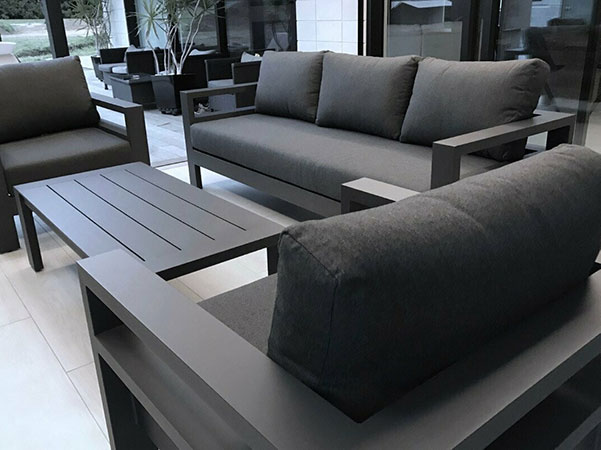
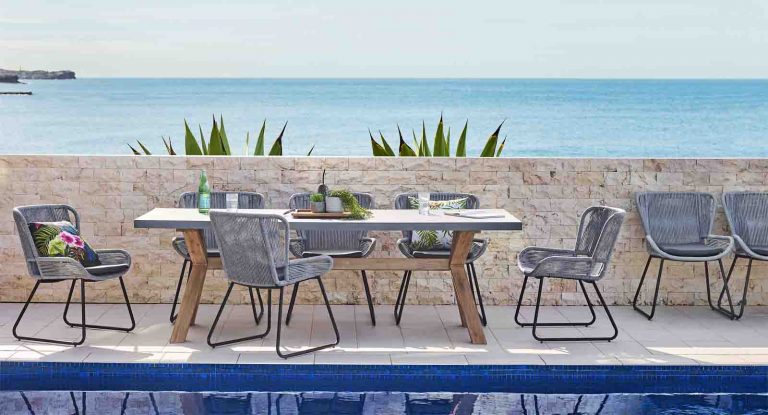
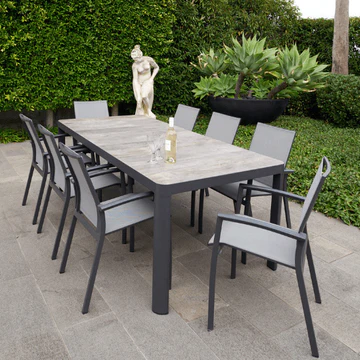
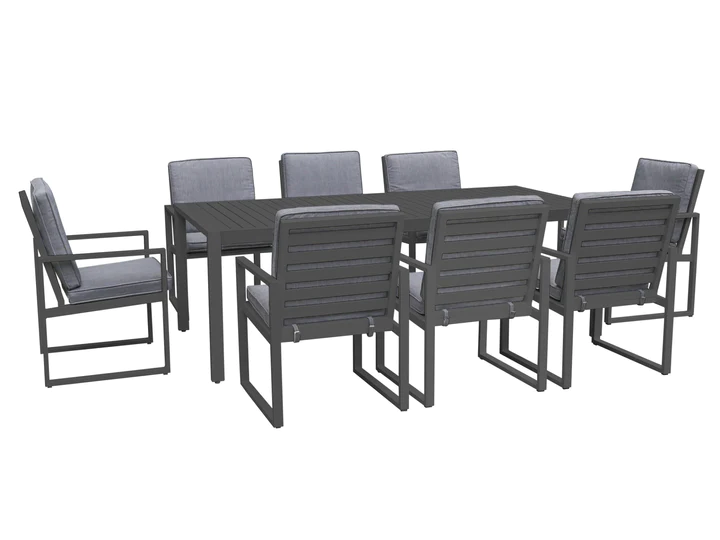
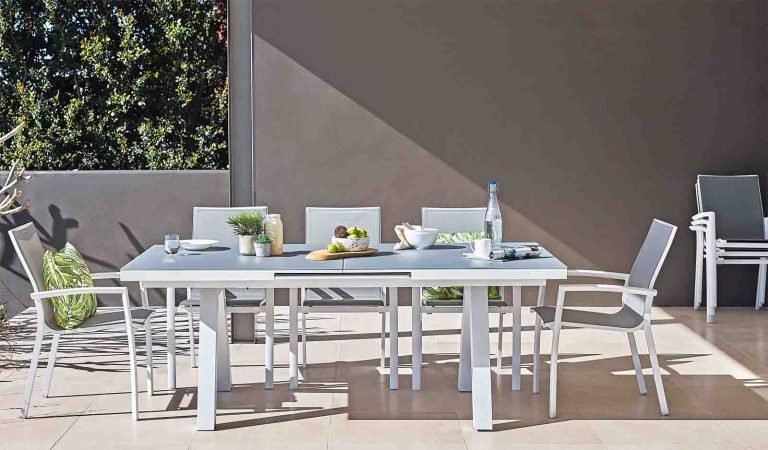
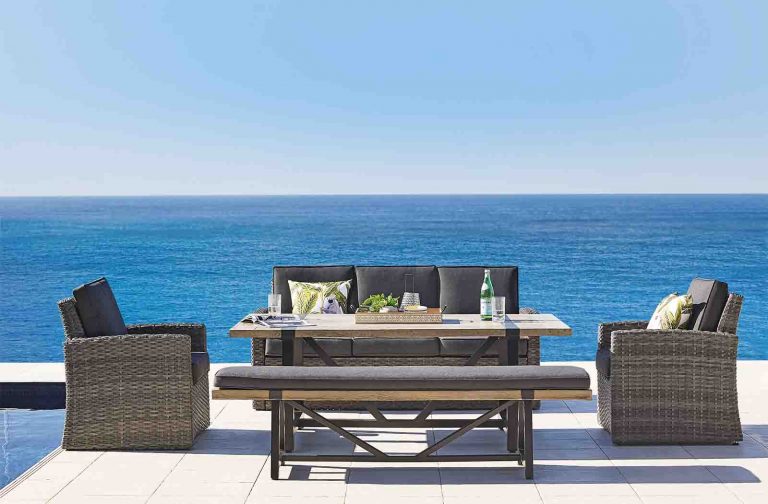
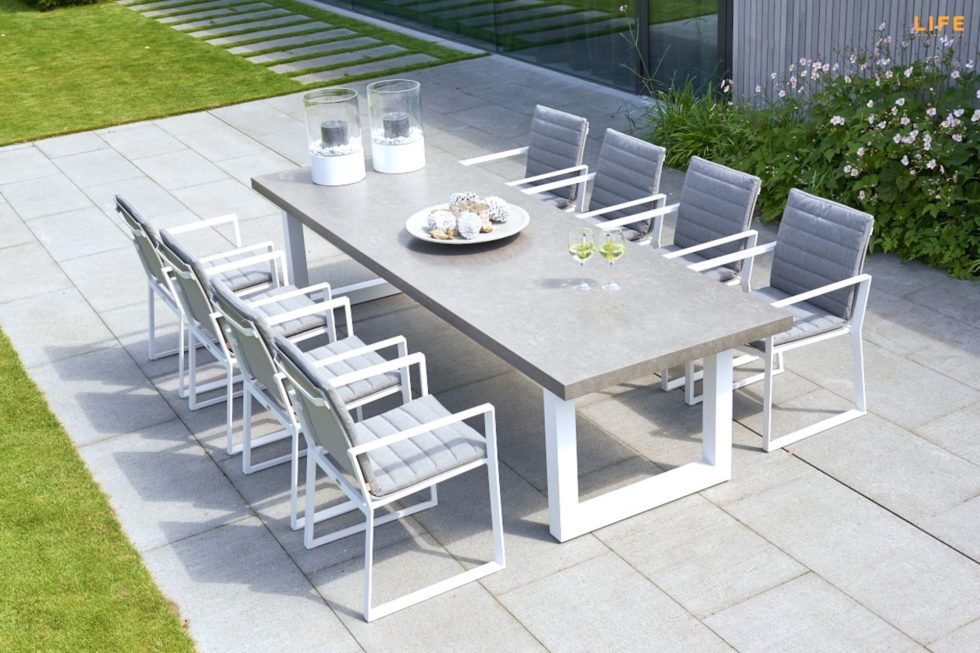
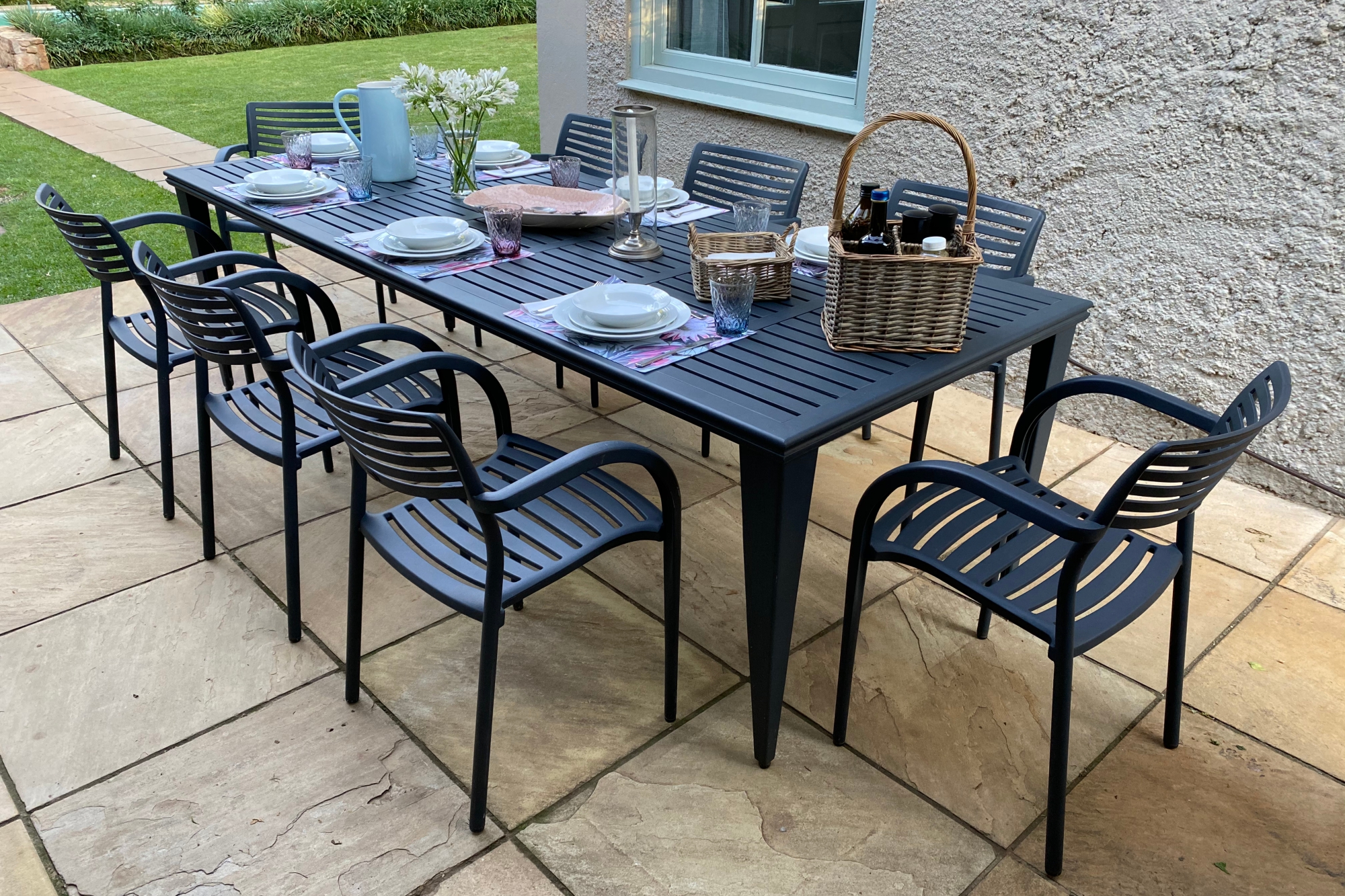
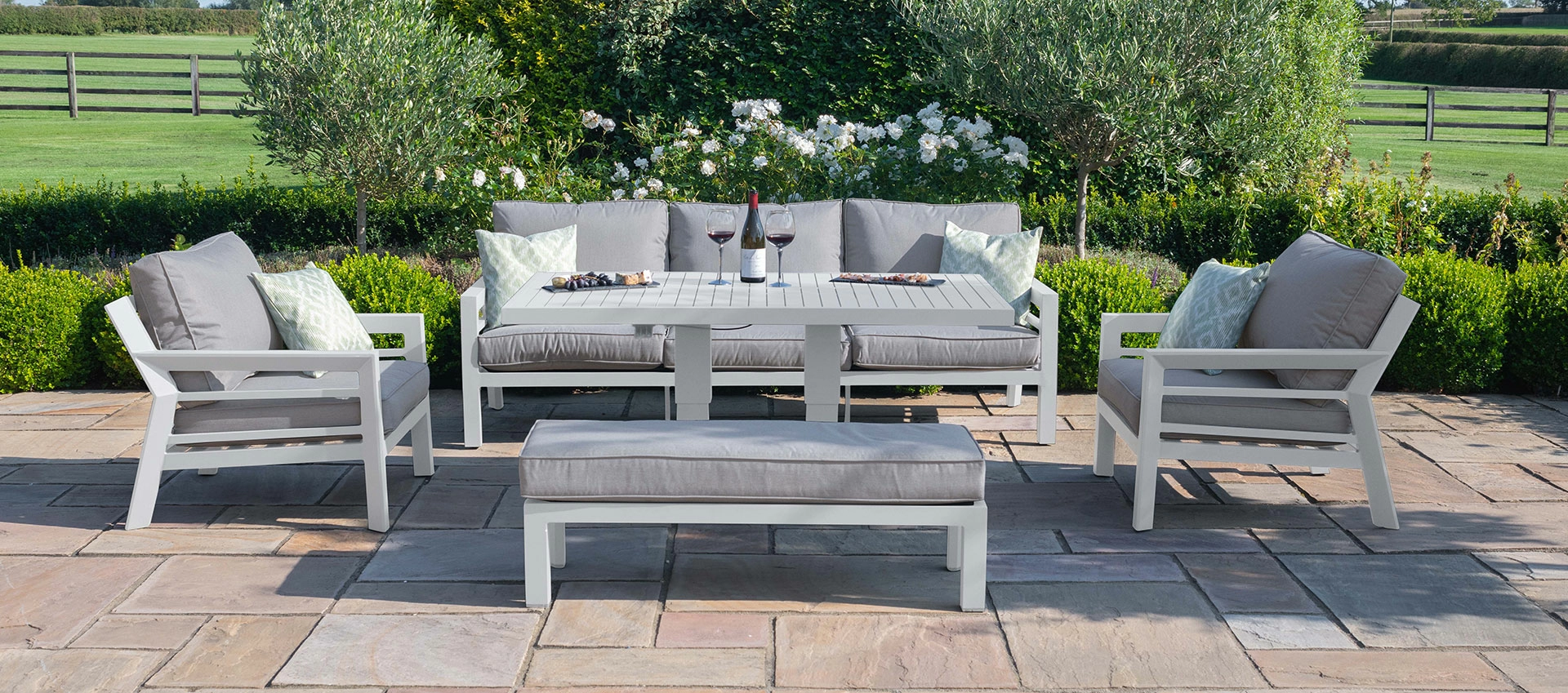
.webp)
.webp)
.webp)


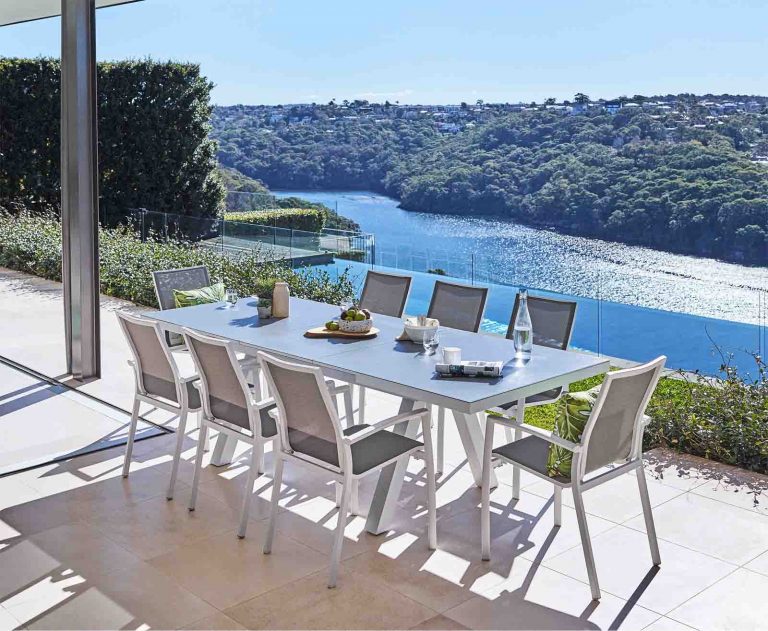
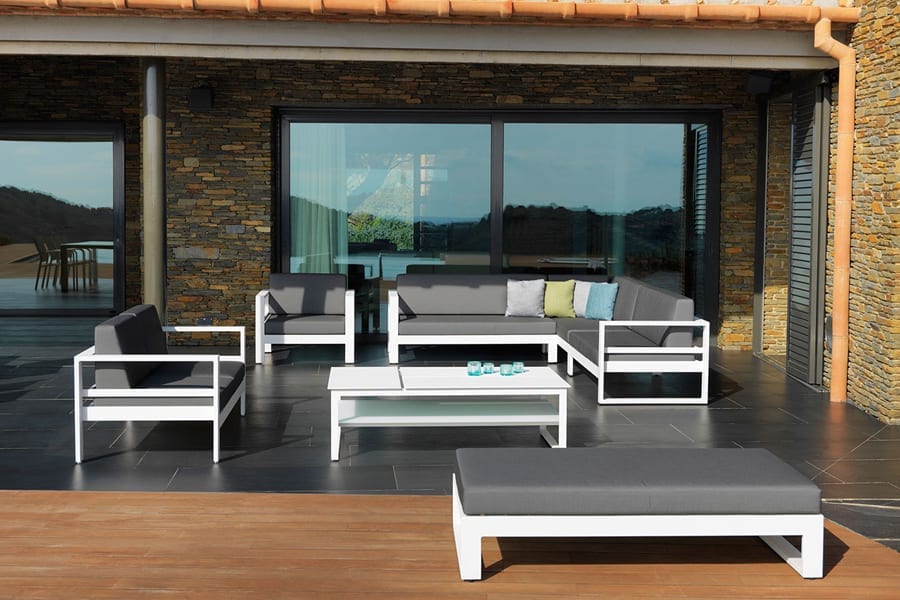
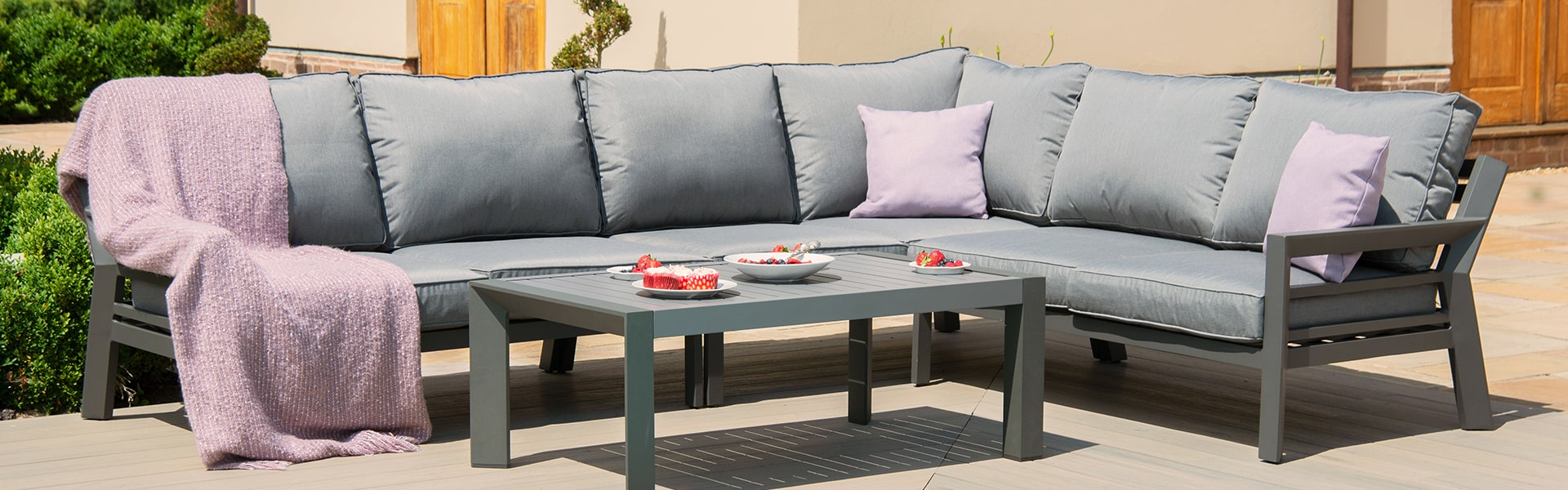
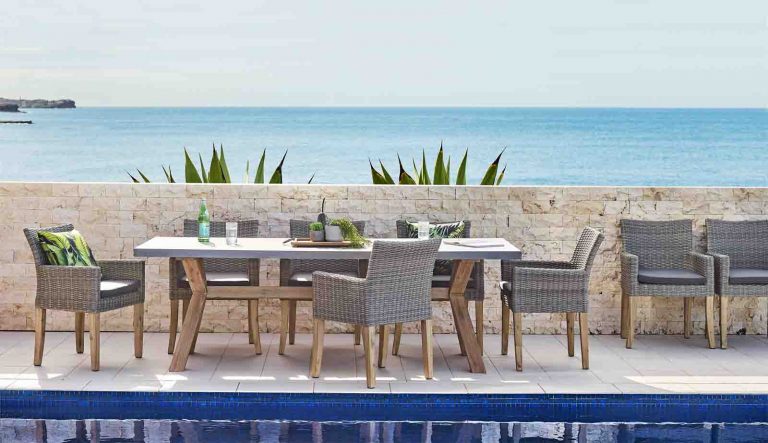
.webp)