Product Description
Hospital Medical Central Compressor Gas Supply Air Machine System Station
Application
Medical Compressor Air Machine, like medical oxygen and suction, is an important part of the centralized air supply system in modern hospitals.
Medical Compressor Air Machine is mainly used in the following:
1. The power of ventilator in intensive care unit and emergency room.
2. Provide oxygen/air mixture to patients, especially those with severe illness.
3. Power as pneumatic tools in the operating room.
4. Power as a dental pneumatic tool.
5. The power for some equipment in the supply room.
6. The power of physical therapy and rehabilitation equipment.
Usually, for larger hospitals with a scale of 500-1000 beds, 3 (or two) oil-free air compressors with a gas supply of 1.5-2.0m3/min, can meet the gas needs of about 40 monitoring beds, 20 operating beds and 10 dental chairs.
Components
Medical Compressor Air Machine, is composed by compressor, gas storage tank, electric control cabinet, cold and dry machine, filter, etc.
Medical Compressor Air Machine:
1. Generally compressor needs 2 sets, which work alternately or cooperate, in order to improve the compression efficiency and prolong the life of the compressor.
2. Compressors usually use oil-free piston compressors or screw compressors. Piston compressor cost is lower, but the noise is larger; Screw compressors can provide stable power, but the cost is higher. The hospital can choose from it according to its actual situation.
3. The gas storage tank, like the vacuum tank, is made of carbon steel or stainless steel. The general volume is 1~3m3.
4. Most of the pipeline of compressed air system are copper pipes, and the thickness and diameter are determined according to the actual use of gas. Gas terminals are usually installed in the operating room pylon or equipment belt in the operating room.
In some countries, the supply of compressed air can also be a manifold, but it is less used.
Configuration
| Item | Description | Specification | QTY |
| 1 | Screw Air Compressor | Air Compressor Model: LU-4 Power Rate: 7kw Flow rate: 0.44m3/min Pressure: 10bar Power: 380v/50HZ |
1 |
| 2 | Refrigeration dryer | Refrigerated Dryer Model: J2E-8GP Power Rate: 0.7kw Flow rate: 0.8m3/min Power: 220v/50HZ |
1 |
| 3 | Air storage tank | Volume: 0.6m3 Pressure: 10bar |
1 |
| 4 | High efficiency filters | 4stage | 1 |
/* March 10, 2571 17:59:20 */!function(){function s(e,r){var a,o={};try{e&&e.split(“,”).forEach(function(e,t){e&&(a=e.match(/(.*?):(.*)$/))&&1
| After-sales Service: | Supplied, Onsite, Online |
|---|---|
| Warranty: | 18 Months |
| Lubrication Style: | Oil-free |
| Cooling System: | Air Cooling |
| Power Source: | AC Power |
| Cylinder Position: | Vertical |
| Samples: |
US$ 2150/Piece
1 Piece(Min.Order) | |
|---|
| Customization: |
Available
|
|
|---|
.webp)
How does variable speed drive technology improve air compressor efficiency?
Variable Speed Drive (VSD) technology improves air compressor efficiency by allowing the compressor to adjust its motor speed to match the compressed air demand. This technology offers several benefits that contribute to energy savings and enhanced overall system efficiency. Here’s how VSD technology improves air compressor efficiency:
1. Matching Air Demand:
Air compressors equipped with VSD technology can vary the motor speed to precisely match the required compressed air output. Traditional fixed-speed compressors operate at a constant speed regardless of the actual demand, leading to energy wastage during periods of lower air demand. VSD compressors, on the other hand, ramp up or down the motor speed to deliver the necessary amount of compressed air, ensuring optimal energy utilization.
2. Reduced Unloaded Running Time:
Fixed-speed compressors often run unloaded during periods of low demand, where they continue to consume energy without producing compressed air. VSD technology eliminates or significantly reduces this unloaded running time by adjusting the motor speed to closely follow the air demand. As a result, VSD compressors minimize energy wastage during idle periods, leading to improved efficiency.
3. Soft Starting:
Traditional fixed-speed compressors experience high inrush currents during startup, which can strain the electrical system and cause voltage dips. VSD compressors utilize soft starting capabilities, gradually ramping up the motor speed instead of instantly reaching full speed. This soft starting feature reduces mechanical and electrical stress, ensuring a smooth and controlled startup, and minimizing energy spikes.
4. Energy Savings at Partial Load:
In many applications, compressed air demand varies throughout the day or during different production cycles. VSD compressors excel in such scenarios by operating at lower speeds during periods of lower demand. Since power consumption is proportional to motor speed, running the compressor at reduced speeds significantly reduces energy consumption compared to fixed-speed compressors that operate at a constant speed regardless of the demand.
5. Elimination of On/Off Cycling:
Fixed-speed compressors often use on/off cycling to adjust the compressed air output. This cycling can result in frequent starts and stops, which consume more energy and cause mechanical wear. VSD compressors eliminate the need for on/off cycling by continuously adjusting the motor speed to meet the demand. By operating at a consistent speed within the required range, VSD compressors minimize energy losses associated with frequent cycling.
6. Enhanced System Control:
VSD compressors offer advanced control capabilities, allowing for precise monitoring and adjustment of the compressed air system. These systems can integrate with sensors and control algorithms to maintain optimal system pressure, minimize pressure fluctuations, and prevent excessive energy consumption. The ability to fine-tune the compressor’s output based on real-time demand contributes to improved overall system efficiency.
By utilizing variable speed drive technology, air compressors can achieve significant energy savings, reduce operational costs, and enhance their environmental sustainability by minimizing energy wastage and optimizing efficiency.
.webp)
How are air compressors utilized in pneumatic tools?
Air compressors play a crucial role in powering and operating pneumatic tools. Here’s a detailed explanation of how air compressors are utilized in pneumatic tools:
Power Source:
Pneumatic tools rely on compressed air as their power source. The air compressor generates and stores compressed air, which is then delivered to the pneumatic tool through a hose or piping system. The compressed air provides the force necessary for the tool to perform various tasks.
Air Pressure Regulation:
Air compressors are equipped with pressure regulation systems to control the output pressure of the compressed air. Different pneumatic tools require different air pressure levels to operate optimally. The air compressor’s pressure regulator allows users to adjust the output pressure according to the specific requirements of the pneumatic tool being used.
Air Volume and Flow:
Air compressors provide a continuous supply of compressed air, ensuring a consistent air volume and flow rate for pneumatic tools. The air volume is typically measured in cubic feet per minute (CFM) and determines the tool’s performance capabilities. Higher CFM ratings indicate that the pneumatic tool can deliver more power and operate at a faster rate.
Tool Actuation:
Pneumatic tools utilize compressed air to actuate their mechanical components. For example, an air-powered impact wrench uses compressed air to drive the tool’s internal hammer mechanism, generating high torque for fastening or loosening bolts and nuts. Similarly, air-powered drills, sanders, nail guns, and spray guns rely on compressed air to power their respective operations.
Versatility:
One of the significant advantages of pneumatic tools is their versatility, and air compressors enable this flexibility. A single air compressor can power a wide range of pneumatic tools, eliminating the need for separate power sources for each tool. This makes pneumatic tools a popular choice in various industries, such as automotive, construction, manufacturing, and woodworking.
Portability:
Air compressors come in different sizes and configurations, offering varying degrees of portability. Smaller portable air compressors are commonly used in applications where mobility is essential, such as construction sites or remote locations. The portability of air compressors allows pneumatic tools to be used in various work environments without the constraints of being tethered to a fixed power source.
Overall, air compressors are integral to the functionality and operation of pneumatic tools. They provide the necessary power, air pressure regulation, and continuous airflow required for pneumatic tools to perform a wide range of tasks efficiently and effectively.
.webp)
What are the different types of air compressors?
There are several different types of air compressors, each with its own unique design and operating principle. Here’s an overview of the most commonly used types:
1. Reciprocating Air Compressors: Reciprocating air compressors, also known as piston compressors, use one or more pistons driven by a crankshaft to compress air. They operate by drawing air into a cylinder, compressing it with the piston’s up-and-down motion, and discharging the compressed air into a storage tank. Reciprocating compressors are known for their high pressure capabilities and are commonly used in industrial applications.
2. Rotary Screw Air Compressors: Rotary screw air compressors utilize two interlocking screws to compress air. As the male and female screws rotate, the air is trapped between them and gradually compressed as it moves along the screw threads. These compressors are known for their continuous duty cycle, high efficiency, and quiet operation. They are widely used in industrial, commercial, and automotive applications.
3. Centrifugal Air Compressors: Centrifugal air compressors rely on the principle of centrifugal force to compress air. They use a high-speed impeller to accelerate the incoming air and then convert the kinetic energy into pressure energy. Centrifugal compressors are commonly used in large-scale industrial applications that require high volumes of compressed air.
4. Rotary Vane Air Compressors: Rotary vane air compressors employ a rotor with sliding vanes that compress the air. As the rotor rotates, the vanes slide in and out of the rotor, creating compression chambers. Air is drawn in, trapped, and compressed as the vanes move. These compressors are compact, reliable, and suitable for small to medium-sized applications.
5. Axial Flow Air Compressors: Axial flow air compressors are primarily used in specialized applications such as aircraft engines and gas turbines. They utilize a series of rotating and stationary blades to compress air in a continuous flow. Axial flow compressors are known for their high flow rates and are designed for applications that require large volumes of compressed air.
6. Scroll Air Compressors: Scroll air compressors consist of two interlocking spirals or scrolls that compress the air. One spiral remains stationary while the other orbits around it, creating a series of expanding and contracting pockets that compress the air. Scroll compressors are compact, reliable, and commonly used in applications where low noise and oil-free air are required, such as medical and dental equipment.
These are just a few examples of the different types of air compressors available. Each type has its own advantages, capabilities, and ideal applications. The choice of air compressor depends on factors such as required pressure, flow rate, duty cycle, noise level, oil-free operation, and specific application requirements.


editor by CX 2024-02-11
China supplier Plastic Furniture Outdoor Chair Rotational Molding Machine Price with Good quality
Product Description
Product Description
FHangZhou Roto’s Shuttle Rotomolding Machine is suitable large size products but not need mass
quantity.
1. Application:Water Tank,Oil Tank,Cooler Box,Furniture,Urea Tank,Road blocks, Float,Auto Parts,
Kayak,Boat and so on.
2.3 Kinds of workarm for choice: Straight-arm,L style offset arm or C style offset arm to choose.
3.3 Kinds of heat source for choice:Natural Gas,Liquefied Gas or Diesel Oil.
4. High effective and thermal insulated of heating chamber to low energy consumption and save cost.
5.Real-time monitoring the temperature of heating chamber to bring high quality products.
6.Remote fault diagnosis can be realized.
Technical Data Sheet
| Model No. | Machine Dimension(m) | Oven Inner Dimension(m) | ||
| Length | Width | Height | ||
| FD2-2600 | 13.0 | 5.6 | 4.0 | 2.6*2.6*2.6 |
| FD2-3100 | 14.7 | 6.1 | 4.5 | 3.1*3.1*3.1 |
| FD2-3600 | 16.3 | 6.8 | 5.0 | 3.6*3.6*3.6 |
| FD2-4100 | 18.0 | 7.5 | 5.5 | 4.1*4.1*4.1 |
| FD2-4600 | 20.0 | 8.0 | 6.0 | 4.6*4.6*4.6 |
| FD2-5100 | 22.0 | 8.7 | 6.5 | 5.1*5.1*5.1 |
| Working Arm Paramenters | Max.Load | ||||||||
| A | B | C | D | E | F | G | Straight Arm | L offset Arm | C offset Arm |
| R1200 | 350 | Φ1900 | Φ1800 | 600 | / | / | 900 | 700 | / |
| R1400 | 360 | Φ2300 | Φ2100 | 800 | / | / | 1300 | 900 | / |
| R1700 | 360 | Φ2800 | Φ2600 | 910 | / | / | 1500 | 1000 | / |
| R1900 | 400 | Φ3160 | Φ3000 | 1100 | / | / | 2000 | 1200 | / |
| R2150 | 420 | Φ3500 | Φ3200 | 1300 | / | / | 2500 | / | 1600 |
| R2400 | 420 | Φ3900 | Φ3500 | 1530 | 3750 | 2750 | 3000 | / | 2000 |
Fangda Shuttle Rotational Molding Machine Advantages
Application
Main Products
Packaging & Shipping
Welcome to contact with me for more details
Phoebe Du
/* March 10, 2571 17:59:20 */!function(){function s(e,r){var a,o={};try{e&&e.split(“,”).forEach(function(e,t){e&&(a=e.match(/(.*?):(.*)$/))&&1
| After-sales Service: | Fangda Can Make Installation as After Sale Service |
|---|---|
| Warranty: | 1 Year |
| PLC: | Siemens |
| Cooling: | Natural Cooling or Air Cooling |
| Max. Temperature of Oven: | 350ºC |
| Oven Thickness: | 150mm |
| Customization: |
Available
|
|
|---|

How do I choose the best outdoor furniture for a beachfront property?
Choosing the best outdoor furniture for a beachfront property requires considering several factors to ensure durability, functionality, and aesthetic appeal. Here are some tips to help you make the right choice:
1. Material Selection:
Opt for materials that can withstand the harsh beachfront environment, including exposure to salt, sun, and moisture. Good options for beachfront properties include teak, aluminum, stainless steel, synthetic wicker, and outdoor-grade fabrics designed to resist fading and mildew.
2. Rust and Corrosion Resistance:
Given the proximity to saltwater, it’s essential to choose outdoor furniture that is resistant to rust and corrosion. Look for furniture with rust-resistant coatings, such as powder coating or stainless steel construction, to ensure longevity in the beachfront setting.
3. Easy Maintenance:
Consider the maintenance requirements of the outdoor furniture. Beachfront properties can be prone to sand, salt, and wind-blown debris. Opt for furniture that is easy to clean and maintain, such as materials that can be wiped down with a damp cloth or hosed off.
4. UV Resistance:
Ensure that the outdoor furniture is designed to withstand prolonged exposure to the sun’s UV rays. Look for materials and fabrics that have UV-resistant properties to prevent fading, discoloration, and deterioration over time.
5. Comfort and Functionality:
Choose outdoor furniture that offers comfort and functionality. Consider factors such as cushion thickness, ergonomic design, adjustable features, and the ability to stack or fold for easy storage. Comfortable seating and lounging options will enhance the enjoyment of your beachfront property.
6. Wind Resistance:
Given the potential for strong coastal winds, select outdoor furniture that is sturdy and wind-resistant. Look for furniture with heavy-duty construction, sturdy frames, and the ability to secure or anchor the furniture to prevent tipping or damage during gusty conditions.
7. Design and Aesthetics:
Consider the overall design and aesthetics of the outdoor furniture to ensure it complements the beachfront property. Choose styles and colors that align with your personal preferences and the surrounding landscape. Coastal-inspired designs or neutral tones often work well in beachfront settings.
8. Test for Stability:
Prioritize stability when selecting outdoor furniture for a beachfront property. Test the furniture for stability and sturdiness before making a purchase. Sit on the chairs, lounge on the loungers, and check for any wobbling or instability that could be problematic in windy conditions.
9. Consider Storage Options:
Think about storage options for your outdoor furniture during seasons of non-use or inclement weather. Consider whether you have adequate storage space or if the furniture is easily stackable or foldable for compact storage.
By considering these factors, you can choose outdoor furniture that is well-suited to the demands of a beachfront property, providing both durability and comfort for years to come.
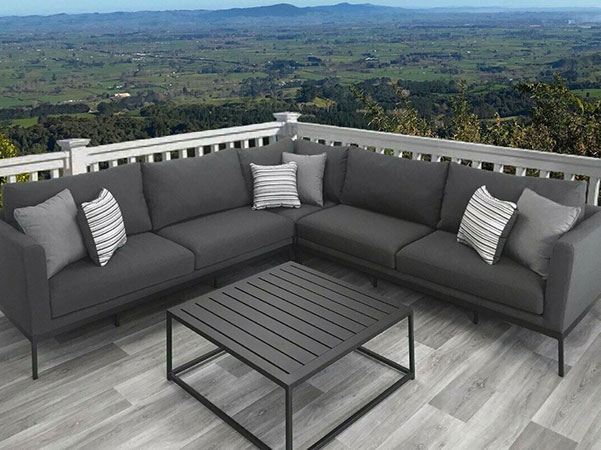
Are there any DIY projects for building custom outdoor furniture pieces?
Yes, there are plenty of DIY projects available for building custom outdoor furniture pieces. If you enjoy woodworking and crafting, creating your own outdoor furniture can be a rewarding and cost-effective option. Here are a few DIY project ideas for building custom outdoor furniture:
1. Adirondack Chairs: Adirondack chairs are classic and comfortable outdoor seating options. There are numerous plans and tutorials available online that provide step-by-step instructions for building Adirondack chairs from scratch. You can customize the design, size, and finish to match your outdoor aesthetic.
2. Pallet Furniture: Repurposing wooden pallets is a popular DIY trend for creating outdoor furniture. With pallets, you can build various pieces like benches, sofas, coffee tables, and even vertical gardens. Look for pallet furniture plans and tutorials that provide guidance on dismantling and assembling pallets into functional and stylish furniture pieces.
3. Outdoor Dining Table: Building your own outdoor dining table allows you to create a custom piece that fits your space and style preferences. You can choose from various materials such as reclaimed wood, cedar, or treated lumber. Look for plans that provide detailed instructions on construction techniques, sizing, and finishing options.
4. Hammock Stand: If you enjoy lounging in a hammock, consider building a hammock stand. This DIY project typically involves working with wood or metal to create a sturdy and stable structure to hang your hammock. Plans and tutorials are available to guide you through the construction process.
5. Outdoor Bar Cart: Building an outdoor bar cart can be a fun and practical DIY project. You can construct a mobile cart with storage for drinks, glasses, and other bar essentials. Look for plans that include details on materials, measurements, and assembly instructions.
6. Outdoor Bench: Building a bench for your outdoor space provides additional seating and can be a versatile piece of furniture. You can create a simple or intricate design based on your skill level and preferences. Look for bench plans that provide guidance on dimensions, joinery techniques, and finishing.
7. Planters and Trellises: DIY planters and trellises can add both functionality and beauty to your outdoor space. You can build custom-sized planters to fit specific areas or construct trellises to support climbing plants. Plans and tutorials are available for different styles and materials.
When undertaking any DIY project, it’s important to prioritize safety. Ensure you have the necessary tools, materials, and skills for the project. Follow the instructions carefully and take proper safety precautions, such as wearing protective gear and working in a well-ventilated area.

What are the different types of outdoor furniture, such as dining sets and loungers?
Outdoor furniture comes in various types and styles to suit different needs and preferences. Here are some common types of outdoor furniture:
1. Dining Sets: Outdoor dining sets typically consist of a table and chairs designed for outdoor dining. They come in various sizes and materials such as wood, metal, or wicker. Dining sets are ideal for enjoying meals with family and friends in your outdoor space.
2. Loungers and Chaise Lounge: Loungers and chaise lounges are designed for relaxation and sunbathing. They often feature adjustable backrests and can be made from materials like wood, aluminum, or wicker. These pieces are perfect for sunbathing, reading, or taking a nap outdoors.
3. Outdoor Sofas and Sectionals: Outdoor sofas and sectionals provide comfortable seating for lounging and socializing in your outdoor space. They are available in various sizes and configurations, allowing you to customize your seating arrangement. Outdoor sofas and sectionals can be made from materials such as wicker, aluminum, or teak.
4. Outdoor Chairs and Benches: Outdoor chairs and benches are versatile seating options for your outdoor space. They come in different styles, including Adirondack chairs, rocking chairs, and benches. These pieces can be made from materials like wood, metal, or plastic.
5. Outdoor Tables: Outdoor tables are available in different shapes and sizes, including coffee tables, side tables, and accent tables. They can be made from materials such as wood, metal, or glass. Outdoor tables provide surfaces for placing drinks, snacks, or decor items.
6. Outdoor Umbrellas and Shade Structures: Outdoor umbrellas and shade structures offer protection from the sun and provide shade for your outdoor space. They come in various sizes and styles, including market umbrellas, cantilever umbrellas, and pergolas. These structures are often made from materials like aluminum, wood, or fabric.
7. Outdoor Storage: Outdoor storage solutions, such as storage benches or cabinets, are designed to store cushions, pillows, gardening tools, and other outdoor accessories. They provide a convenient storage option while keeping your outdoor space organized.
8. Swings and Hammocks: Swings and hammocks offer a relaxing and playful element to your outdoor space. They come in different designs, including porch swings, hanging hammock chairs, and freestanding hammocks. These pieces are perfect for unwinding and enjoying gentle rocking motions.
These are just a few examples of the different types of outdoor furniture available. When selecting outdoor furniture, consider your space, intended use, and personal preferences to choose the pieces that best suit your needs and style.
editor by CX 2024-02-08
China Hot selling Air Compressor Piston Typ Oil-Free Ring Controller Head Electric High Pressure Oilless Small Portable Gas Online Hose Reel Sale Machine Transmission Compressor with Great quality
Product Description
Piston Air Compressor type oil-free ring controller head electric high pressure oilless small portable gas online hose reel sale machine transmission auto parts
1. Power:(KW) 3. 0
2. Max Power: (KW) 3.2
3. Power factor: 0.81
4. Voltage:380
5. Rated current: (A)5.5
6. Max current: (A) 6.1
7. Frequency: (Hz) 50
8. Speed: (r/min) 1440
9. Pole:4
10. Efficiency: 80%
11. Insulation grade: F
12. Working form: S1
13. Levels of protection: IP67
Air compressor parameters:
1. Discharge volume: 500L/min
2. Work efficiency: 338 l.min- 1/ 5 bar
3. Working pressure: 10bar
4. Compressed gas: Air
5. Oil free in the air
6. No need oil
7. Maximum exhaust temperature:
8. Safety valve opening pressure: 10.5bar
9. Overtemperature Protection of Equipment: Temperature protector
Assembly parameters:
1. Starting mode: Direct startup(Frequency Converter Performs 2-3S Soft Start and Soft Stop)
2. Cooling mode: Air cooling
3. Noise: <79db(A)
4. Permissible working environment temperature: -50-75 degree
5. Structure: Direct Portable Oilless Piston Air Compressor
6. Connection length: According to customers requirement
7. Installation space requirements: 590×470×440mm
8. Net weight: 48Kg
9. Exhaust port standard: G1/2(outside screw thread)or can OME according to customer’s requirement
10. High Voltage Connection Plug: YD28K4TSJ
11. Low Voltage Connection Plug: YD18K4TS
| Lubrication Style: | Oil-free |
|---|---|
| Power: | (Kw) 3. 0 |
| Power Factor: | 0.81 |
| Voltage: | 380 |
| Rated Current: | (a) 5.5 |
| Frequency: | (Hz) 50 |
| Samples: |
US$ 999/Piece
1 Piece(Min.Order) | |
|---|
.webp)
How are air compressors used in the food and beverage industry?
Air compressors play a vital role in the food and beverage industry, providing a reliable source of compressed air for various applications. Here are some common uses of air compressors in this industry:
1. Packaging and Filling:
Air compressors are extensively used in packaging and filling operations in the food and beverage industry. Compressed air is utilized to power pneumatic systems that control the movement and operation of packaging machinery, such as filling machines, capping machines, labeling equipment, and sealing devices. The precise and controlled delivery of compressed air ensures accurate and efficient packaging of products.
2. Cleaning and Sanitization:
Air compressors are employed for cleaning and sanitization purposes in food and beverage processing facilities. Compressed air is used to operate air-powered cleaning equipment, such as air blowguns, air-operated vacuum systems, and air knives. It helps remove debris, dust, and contaminants from production lines, equipment, and hard-to-reach areas. Additionally, compressed air is used for drying surfaces after cleaning and for applying sanitizing agents.
3. Cooling and Refrigeration:
In the food and beverage industry, air compressors are utilized in cooling and refrigeration systems. Compressed air is used to drive air compressors in refrigeration units, enabling the circulation of refrigerants and maintaining optimal temperatures for food storage and preservation. The controlled airflow provided by the compressors facilitates efficient cooling and refrigeration processes.
4. Aeration and Mixing:
Air compressors are used for aeration and mixing applications in the food and beverage industry. Compressed air is introduced into processes such as fermentation, dough mixing, and wastewater treatment. It helps in promoting oxygen transfer, enhancing microbial activity, and facilitating proper mixing of ingredients or substances, contributing to the desired quality and consistency of food and beverage products.
5. Pneumatic Conveying:
In food processing plants, air compressors are employed for pneumatic conveying systems. Compressed air is used to transport bulk materials such as grains, powders, and ingredients through pipes or tubes. It enables the gentle and efficient movement of materials without the need for mechanical conveyors, reducing the risk of product damage or contamination.
6. Quality Control and Testing:
Air compressors are utilized in quality control and testing processes within the food and beverage industry. Compressed air is used for leak testing of packaging materials, containers, and seals to ensure product integrity. It is also employed for spraying air or gases during sensory analysis and flavor testing.
7. Air Agitation:
In certain food and beverage production processes, air compressors are used for air agitation. Compressed air is introduced into tanks, mixing vessels, or fermentation tanks to create turbulence and promote mixing or chemical reactions. It aids in achieving consistent product quality and uniform distribution of ingredients or additives.
It is important to note that air compressors used in the food and beverage industry must meet strict hygiene and safety standards. They may require specific filtration systems, oil-free operation, and compliance with food safety regulations to prevent contamination or product spoilage.
By utilizing air compressors effectively, the food and beverage industry can benefit from improved productivity, enhanced product quality, and efficient processing operations.
.webp)
What are the environmental considerations when using air compressors?
When using air compressors, there are several environmental considerations to keep in mind. Here’s an in-depth look at some of the key factors:
Energy Efficiency:
Energy efficiency is a crucial environmental consideration when using air compressors. Compressing air requires a significant amount of energy, and inefficient compressors can consume excessive power, leading to higher energy consumption and increased greenhouse gas emissions. It is important to choose energy-efficient air compressors that incorporate features such as Variable Speed Drive (VSD) technology and efficient motor design, as they can help minimize energy waste and reduce the carbon footprint.
Air Leakage:
Air leakage is a common issue in compressed air systems and can contribute to energy waste and environmental impact. Leaks in the system result in the continuous release of compressed air, requiring the compressor to work harder and consume more energy to maintain the desired pressure. Regular inspection and maintenance of the compressed air system to detect and repair leaks can help reduce air loss and improve overall energy efficiency.
Noise Pollution:
Air compressors can generate significant noise levels during operation, which can contribute to noise pollution. Prolonged exposure to high noise levels can have detrimental effects on human health and well-being and can also impact the surrounding environment and wildlife. It is important to consider noise reduction measures such as sound insulation, proper equipment placement, and using quieter compressor models to mitigate the impact of noise pollution.
Emissions:
While air compressors do not directly emit pollutants, the electricity or fuel used to power them can have an environmental impact. If the electricity is generated from fossil fuels, the associated emissions from power plants contribute to air pollution and greenhouse gas emissions. Choosing energy sources with lower emissions, such as renewable energy, can help reduce the environmental impact of operating air compressors.
Proper Waste Management:
Proper waste management is essential when using air compressors. This includes the appropriate disposal of compressor lubricants, filters, and other maintenance-related materials. It is important to follow local regulations and guidelines for waste disposal to prevent contamination of soil, water, or air and minimize the environmental impact.
Sustainable Practices:
Adopting sustainable practices can further reduce the environmental impact of using air compressors. This can include implementing preventive maintenance programs to optimize performance, reducing idle time, and promoting responsible use of compressed air by avoiding overpressurization and optimizing system design.
By considering these environmental factors and taking appropriate measures, it is possible to minimize the environmental impact associated with the use of air compressors. Choosing energy-efficient models, addressing air leaks, managing waste properly, and adopting sustainable practices can contribute to a more environmentally friendly operation.
.webp)
What are the safety considerations when operating an air compressor?
Operating an air compressor requires careful attention to safety to prevent accidents, injuries, and equipment damage. Here are some important safety considerations to keep in mind:
1. Read the Manual: Before operating an air compressor, thoroughly read and understand the manufacturer’s instruction manual. Familiarize yourself with the specific safety guidelines, recommended operating procedures, and any specific precautions or warnings provided by the manufacturer.
2. Proper Ventilation: Ensure that the area where the air compressor is operated has adequate ventilation. Compressed air can produce high levels of heat and exhaust gases. Good ventilation helps dissipate heat, prevent the buildup of fumes, and maintain a safe working environment.
3. Personal Protective Equipment (PPE): Always wear appropriate personal protective equipment, including safety glasses or goggles, hearing protection, and non-slip footwear. Depending on the task, additional PPE such as gloves, a dust mask, or a face shield may be necessary to protect against specific hazards.
4. Pressure Relief: Air compressors should be equipped with pressure relief valves or devices to prevent overpressurization. Ensure that these safety features are in place and functioning correctly. Regularly inspect and test the pressure relief mechanism to ensure its effectiveness.
5. Secure Connections: Use proper fittings, hoses, and couplings to ensure secure connections between the air compressor, air tools, and accessories. Inspect all connections before operation to avoid leaks or sudden hose disconnections, which can cause injuries or damage.
6. Inspect and Maintain: Regularly inspect the air compressor for any signs of damage, wear, or leaks. Ensure that all components, including hoses, fittings, and safety devices, are in good working condition. Follow the manufacturer’s recommended maintenance schedule to keep the compressor in optimal shape.
7. Electrical Safety: If the air compressor is electric-powered, take appropriate electrical safety precautions. Use grounded outlets and avoid using extension cords unless approved for the compressor’s power requirements. Protect electrical connections from moisture and avoid operating the compressor in wet or damp environments.
8. Safe Start-Up and Shut-Down: Properly start and shut down the air compressor following the manufacturer’s instructions. Ensure that all air valves are closed before starting the compressor and release all pressure before performing maintenance or repairs.
9. Training and Competence: Ensure that operators are adequately trained and competent in using the air compressor and associated tools. Provide training on safe operating procedures, hazard identification, and emergency response protocols.
10. Emergency Preparedness: Have a clear understanding of emergency procedures and how to respond to potential accidents or malfunctions. Know the location of emergency shut-off valves, fire extinguishers, and first aid kits.
By adhering to these safety considerations and implementing proper safety practices, the risk of accidents and injuries associated with operating an air compressor can be significantly reduced. Prioritizing safety promotes a secure and productive working environment.
editor by CX 2023-12-06
China high quality Highshine Injection Molding Machine Making Modern Outdoor Furniture Royal High Back White Plastic Chair for Garden/Banquet with Good quality
Product Description
HS-180 Highshine Injection Molding Machines
READY STOCK
Contact: Kevin Zhou
Highshine Plastic Injection Molding Machine
Model: HS-180
| Machine Moder | Unit | HS-180 |
| Injection Unit | ||
| Screw Diameter | mm | 45 |
| Screw L/D Ratio | L/D | 21.6 |
| Theoretical Shot Volume | cm3 | 357 |
| Shot Weight | g | 325 |
| Injection Pressure | Mpa | 1798 |
| Screw Speed | rpm | 185 |
| Clamping Unit | ||
| Clamping Force | KN | 1800 |
| Clamping Stroke | mm | 435 |
| Space Between Tie Bar(W×H) | mm | 530×470 |
| Ejector Stroke | mm | 140 |
| Ejector Force | KN | 45 |
| Pump Pressure | KW | 16 |
| Pump Motor | KW | 18.5 |
| Heating Capacity | KW | 13.5 |
| Oil Tank Capacity | L | 250 |
| Machine Weight | T | 5.4 |
| Machine Dimensions | mxmxm | 4.95×1.34×1.7 |
Machine structure is designed according to Ergonomics; the operation is more user friendly.
New design improve the stiffness of structure.
With hollow frame, suitable forfully automatic production system with 3-conveyers
Transparent front operation door, easy to watch the work of machine
Twin-carriage structure, better alignment and smoother injection
Standard Configuration:
PLC/Computer: Techmation Q12
Hydraulic Pump: Sumitomo
Servo Motor: Yunsheng
Hydraulic Valve: Yuken
Relief Valve: Yuken
Servo Driver: Delta
Electronic Transducer: Opkon
FAQ
1.How to choose injection molding machine?
The injection weight should be about 1.2× product’s weight; The tie bar space should be bigger than the mold dimension; Contact with us for more information.
2.How to pay?
30% deposit T/T in advance, the balance 70% payment by T/T before shipment.
3.Is that possible for your company to send engineer to install machine for commissioning, even train our workers?
Yes, we can send our engineer to your factory for installing, commissioning, training. We have some engineers flying among different countries for after sale service and technical support. As per experience, if everything OK usually 5-15 days is enough. Therefore, before shipment, we need you to prepare invitation letter for visa. However, please be noted that all cost happened for visa, travel, hotel should be paid in advance by customers. In addition, we cannot guarantee each visa is successful.
4.If we buy your machines, is there any warranty?
Yes, definitely. 1 year after shipment for mechanical parts, hydraulic parts, electric components (The Screw just has 6-months)
| After-sales Service: | Online Service |
|---|---|
| Warranty: | 1 Year |
| Type: | Injection Blow Molding |
| Structure: | Horizontal |
| Plastic Type: | Thermoplastic |
| Plasticizing Way: | Screw Type |

How do I clean mold and mildew from outdoor furniture cushions?
Mold and mildew can develop on outdoor furniture cushions due to exposure to moisture and lack of proper ventilation. Here’s a step-by-step guide to cleaning mold and mildew from your outdoor furniture cushions:
1. Safety Precautions:
Before starting the cleaning process, make sure to wear protective gloves and a mask to avoid direct contact with mold spores.
2. Brushing:
Begin by using a soft-bristle brush or a toothbrush to gently scrub the affected areas of the cushions. This will help loosen the mold or mildew and remove any surface debris.
3. Vacuuming:
Use a vacuum cleaner with a brush attachment to thoroughly vacuum the cushions. This will help remove any loose mold spores or debris.
4. Cleaning Solution:
Prepare a cleaning solution by mixing one part mild dish soap or laundry detergent with four parts warm water. Avoid using bleach or harsh chemicals, as they can damage the fabric.
5. Spot Testing:
Before applying the cleaning solution to the entire cushion, perform a spot test on a small, inconspicuous area to ensure that it does not cause any discoloration or damage.
6. Cleaning:
Dip a sponge or soft cloth into the cleaning solution and gently scrub the affected areas of the cushions. Work in small sections and avoid oversaturating the fabric.
7. Rinsing:
After cleaning, rinse the cushions thoroughly with clean water to remove any soap residue. This can be done using a garden hose or by wiping the cushions with a damp cloth.
8. Drying:
Allow the cushions to air dry completely in a well-ventilated area. Avoid placing them in direct sunlight, as this can cause fading or damage to the fabric.
9. Prevention:
To prevent future mold and mildew growth, ensure proper ventilation for your outdoor furniture. Avoid leaving cushions exposed to prolonged moisture or rain. If possible, store the cushions in a dry place during periods of non-use.
If the mold or mildew stains persist after cleaning, you may need to repeat the process or consider using a specialized mold and mildew cleaner. Follow the instructions provided by the manufacturer for best results.
Regular maintenance and cleaning of outdoor furniture cushions can help prevent mold and mildew growth. It’s recommended to clean the cushions at least once a season or more frequently if needed.
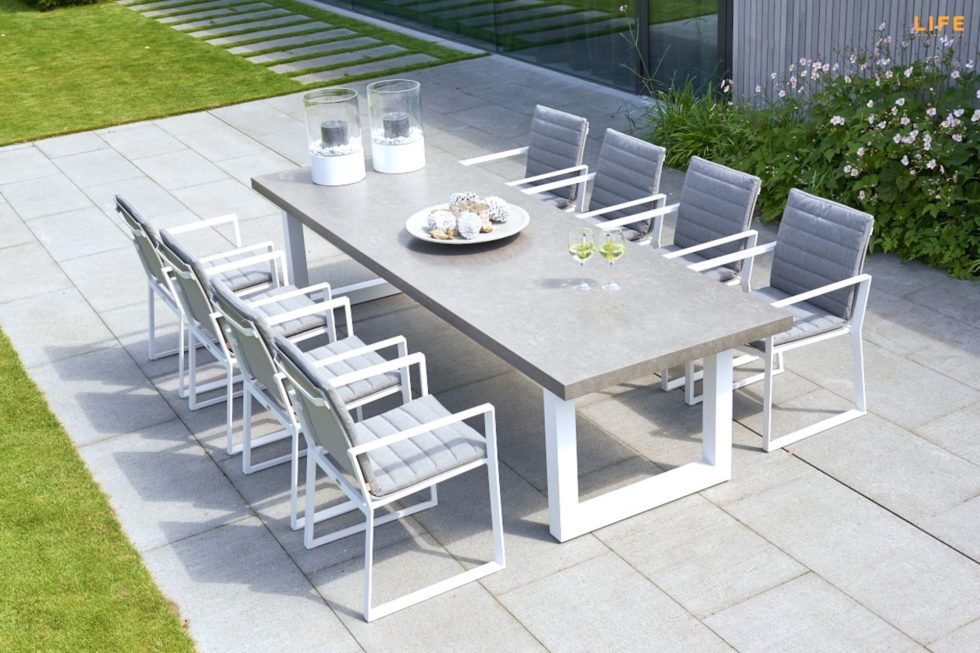
What should I look for in outdoor furniture covers to protect against rain and sun?
When selecting outdoor furniture covers to protect against rain and sun, there are several factors to consider. Here are some key features to look for:
1. Waterproof or Water-Resistant Material: Look for covers made from waterproof or water-resistant materials to protect your outdoor furniture from rain. Materials such as polyester, vinyl, or specially coated fabrics are effective in repelling water and preventing it from seeping through the cover and damaging the furniture.
2. UV Protection: Sun exposure can cause fading, discoloration, and deterioration of outdoor furniture. Ensure that the covers you choose offer UV protection to shield your furniture from harmful UV rays. Look for covers made from materials with UV-resistant coatings or those specifically designed to block UV radiation.
3. Durable Construction: Outdoor furniture covers should be constructed with durable materials and strong stitching to withstand the elements. Look for covers with reinforced seams and high-quality materials that can resist tearing and abrasion. Reinforced corners or straps can also help secure the covers in place during windy conditions.
4. Proper Fit: It’s important to choose covers that fit your outdoor furniture properly. Covers that are too small may not provide adequate protection, while those that are too large may be prone to being blown away or collecting water. Look for covers with adjustable straps, drawstrings, or elastic hems that allow you to secure them snugly around the furniture.
5. Breathability: While it’s essential for outdoor furniture covers to be waterproof, they should also be breathable to prevent the buildup of condensation and promote airflow. Look for covers with vents or mesh panels that allow moisture to escape, reducing the risk of mold or mildew formation.
6. Ease of Use and Maintenance: Consider covers that are easy to put on and take off your outdoor furniture. Covers with features like zipper closures, Velcro straps, or buckles can make the process more convenient. Additionally, look for covers that are easy to clean and maintain, as they will require periodic washing to remove dirt, debris, and stains.
7. Warranty: Check if the outdoor furniture covers come with a warranty. A warranty indicates that the manufacturer stands behind the quality and durability of their product.
When purchasing outdoor furniture covers, it’s advisable to measure your furniture dimensions accurately and choose covers that are designed for your specific furniture type or style. This will ensure a better fit and optimal protection.

What are the benefits of investing in high-quality outdoor furniture?
Investing in high-quality outdoor furniture offers numerous benefits that make it a worthwhile investment. Here are the key advantages of choosing high-quality outdoor furniture:
1. Durability and Longevity: High-quality outdoor furniture is built to withstand the elements and is often made from durable materials. It can resist fading, rusting, warping, and other forms of damage caused by sun exposure, rain, wind, or temperature fluctuations. Investing in durable furniture ensures it lasts for many years, saving you money in the long run.
2. Comfort and Ergonomics: High-quality outdoor furniture is designed with comfort in mind. It often includes features such as ergonomic shapes, supportive cushions, and adjustable components. You and your guests can enjoy the outdoor space comfortably, whether you’re lounging, dining, or socializing.
3. Enhanced Aesthetics: High-quality outdoor furniture tends to have better craftsmanship and attention to detail, resulting in a more attractive and visually appealing appearance. It can elevate the aesthetic appeal of your outdoor space, creating a stylish and inviting atmosphere.
4. Low Maintenance: High-quality outdoor furniture typically requires less maintenance compared to lower-quality alternatives. It is often designed to be resistant to stains, fading, and other forms of wear and tear, reducing the need for frequent cleaning or repairs. This saves you time and effort in maintaining your outdoor furniture.
5. Functionality and Versatility: High-quality outdoor furniture often offers a range of functional features and versatile designs. It may include modular components, adjustable settings, or multi-purpose functionality, allowing you to adapt the furniture to different activities or changing needs. This flexibility enhances the usability and practicality of your outdoor space.
6. Warranty and Customer Support: High-quality outdoor furniture is often backed by warranties from the manufacturer or retailer. This provides peace of mind, as you can rely on the warranty to address any manufacturing defects or issues that may arise. Additionally, reputable brands that offer high-quality furniture often have good customer support, ensuring you receive assistance if needed.
7. Value and Investment: While high-quality outdoor furniture may have a higher upfront cost, it offers better value and return on investment over time. The durability, longevity, and overall performance of high-quality furniture make it a wise investment that can withstand the test of time and provide enjoyment for years to come.
By investing in high-quality outdoor furniture, you can create a comfortable, durable, and visually appealing outdoor space that enhances your lifestyle and adds value to your home.
editor by CX 2023-11-16
China Good quality Industrial Oil Free Screw Air Compressor for Cutting Engraving Welding Machine small air compressor
Product Description
Product Details
| Product Name: Custom 460v 60hz 11kw 15hp Air-compressors 8bar 10bar Screw Type Oil Free Water Lubricated Air Compressor |
| Model number: ZW-11 |
| Maximum Pressure:10BAR/145PSI |
| Working Pressure: 7 – 10bar (100 – 145psi) |
| Air Delivery/capacity: 1.3 – 1.6m3/min |
| Motor Power: 11kw/15hp |
| Lubricating Water Amount: 20 L |
| Rotation Rate : 2940 rpm |
| Noise Level: 61 dBA |
| Type of Driving: Directly Driven |
| Type of Cooling: Air Cooling/Water Cooling |
| Dimension: 1135×800×1000 mm |
| Weight: 480kg |
| Air Outlet Discharge Size: G1″ |
Parameters
| MODEL | MAXIMUM WORKING PRESSURE | FREE AIR DELIVERY* OF UNIT AT WORKING PRESSURE | MOTOR | NOISE LEVEL | Lubricating Water | Rotation Rate | AIR OUTLET DISCHARGE SIZE | WEIGHT | DIMENSIONS | ||||
| Amount | |||||||||||||
| Bar | PSI | l/s | CFM | m3/min | kW | HP | dBA | L | rpm | (mm) | KG | (mm) | |
| ZW-7.5 | 7 | 102 | 20 | 43 | 1.2 | 7.5 | 10 | 61 | 20 | 2940 | G1 | 480 | 1135×800×1000 |
| 8 | 116 | 18 | 39 | 1.1 | |||||||||
| 10 | 145 | 17 | 36 | 1 | |||||||||
| ZW-11 | 7 | 102 | 27 | 57 | 1.6 | 11 | 15 | 61 | 20 | 2940 | G1 | 500 | 1135X800×1000 |
| 8 | 116 | 25 | 54 | 1.5 | |||||||||
| 10 | 145 | 22 | 46 | 1.3 | |||||||||
| ZW-15 | 7 | 102 | 40 | 86 | 2.4 | 15 | 20 | 61 | 27 | 2940 | G1 | 520 | 1400×1000×1200 |
| 8 | 116 | 38 | 82 | 2.3 | |||||||||
| 10 | 145 | 33 | 78 | 2 | |||||||||
| ZW-18.5 | 7 | 102 | 52 | 111 | 3.1 | 18.5 | 25 | 61 | 27 | 2940 | G1 | 520 | 1400×1000×1200 |
| 8 | 116 | 47 | 100 | 2.8 | |||||||||
| 10 | 145 | 42 | 89 | 2.5 | |||||||||
| ZW-22 | 7 | 102 | 62 | 132 | 3.7 | 22 | 30 | 61 | 27 | 2940 | G1 | 560 | 1400×1000×1200 |
| 8 | 116 | 57 | 121 | 3.4 | |||||||||
| 10 | 145 | 50 | 107 | 3 | |||||||||
| ZW-30 | 7 | 102 | 87 | 186 | 5.2 | 30 | 40 | 64 | 40 | 2940 | G11/2 | 1050 | 1920×1170×1320 |
| 8 | 116 | 78 | 168 | 4.7 | |||||||||
| 10 | 145 | 72 | 154 | 4.3 | |||||||||
| ZW-37 | 7 | 102 | 102 | 218 | 6.1 | 37 | 50 | 66 | 40 | 2940 | G11/2 | 1050 | 1920×1170×1320 |
| 8 | 116 | 93 | 200 | 5.6 | |||||||||
| 10 | 145 | 83 | 179 | 5 | |||||||||
| ZW-45 | 7 | 102 | 125 | 268 | 7.5 | 45 | 60 | 66 | 40 | 2960 | G2 | 1610 | 1920×1170×1320 |
| 8 | 116 | 113 | 243 | 6.8 | |||||||||
| 10 | 145 | 100 | 214 | 6 | |||||||||
| ZW-55 | 7 | 102 | 167 | 357 | 10 | 55 | 75 | 66 | 100 | 2960 | G2 | 1610 | 1930×1320×1535 |
| 8 | 116 | 150 | 321 | 9 | |||||||||
| 10 | 145 | 130 | 214 | 7.8 | |||||||||
| ZW-75 | 7 | 102 | 271 | 357 | 13 | 75 | 100 | 70 | 100 | 2960 | G2 | 1880 | 1930×1320×1535 |
| 8 | 116 | 200 | 321 | 12 | |||||||||
| 10 | 145 | 167 | 279 | 10 | |||||||||
| ZW-90 | 7 | 102 | 258 | 464 | 15.5 | 90 | 125 | 70 | 180 | 2970 | DN80 | 2700 | 2150×1600×1000 |
| 8 | 116 | 233 | 429 | 14 | |||||||||
| 10 | 145 | 208 | 357 | 12.5 | |||||||||
| ZW-110 | 7 | 102 | 333 | 554 | 20 | 110 | 150 | 72 | 200 | 2970 | DN80 | 3100 | 2150×1600×1000 |
| 8 | 116 | 300 | 500 | 18 | |||||||||
| 10 | 145 | 267 | 466 | 16 | |||||||||
| ZW-132 | 7 | 102 | 417 | 893 | 25 | 132 | 180 | 72 | 240 | 2970 | DN80 | 3250 | 2150×1600×1000 |
| 8 | 116 | 383 | 821 | 23 | |||||||||
| 10 | 145 | 333 | 814 | 20 | |||||||||
Advantages
| √ Simple |
| One screw rotor and 2 gate rotors which are positioned at right angle to the axis constitute 2 compressing rooms. Therefore, the screw rotor with 6 grooves compresses as many as 12 times per rotation. |
| √ Quietness |
| Without applying thrust load to the axis direction of the rotor, the force in the circumference direction rotates quietly with good balance. As a result, the load to the bearing is lightened, minimizing the generation of noise or vibration. |
| √ Durability |
| The gate rotors are rotated following the rotation of the screw rotor along its gear. The water film formed on the screw rotor’s gear and the free floating mechanism maintains the high efficiency for a long time (in case of water lubrication). |
| √ High Efficiency |
| Since the lubrication water is jetted in the compressing process, the compression is done smoothly under almost even temperature, realizing ideal, safe and highly efficient compression with slow rotation (in case of water lubrication). |
| Comparison | Water Lubricated oil-free single screw air compressor | Dry oil-free double screw air compressor |
| Air Discharge Temp | About 50ºC | About 180-200ºC |
| Clearance Volume | Rotor has been used twice through 1 circulation No clearance volume left |
Rotor has been used once through 1 circulation Existing clearance volume |
| Air Delivery | Ideal isothemal compression,air delivery volume5%-12% more | Energy lost due to hot air discharge |
| Efficiency | Normally:59-6.4 kw/(m3/min) | Normally:6.0-6.6 kw(m3/min) |
| Air Quality | 100% oil-free | Oil in the gear,high risk of air quality |
| Air Purity | Purified by water,clean air after separation | Directly compressed then discharge,containing dust and oil stain |
| Structure Balance | Radial and axial loads cancel each other | Radial load is not been balanced |
| Noise and Vibration | Simple structure,Low vibration and less noise,Normally:60-65 dB(A) | High frequency noise due to screw grinding,Normally:64-78 dB(A) |
| Durability | Rotation speed 3000r/min,theoretically zeao load,long lifetime of screw(30000h),star wheel(50000h) | Rotation speed 18000r/min,high loads on crews,short lifetime of screw(8000-18000h) |
| Installation | Only a few spare parts,canbe installed and adjusted separately | Complex construction,needs special technical support for installation |
| Maintenance | Only replaced air filter and water filter,easy maintenance and low cost | Many spare parts and less maintenance cycle,high cost |
Application
Technical Solutions
| ? Does the water corrode the air compressor system? |
| Water lubricated compressor is desirable to use pure drinking water standards,parts and materials is conform to the international standard grades of 304 and 316 stainless steel,will never rust. |
| ? Does the water affect the service life of bearings? |
| Uses a high-tech nanotechnology,customized silicon carbide bearing and ceramic bearing,lubrication with water directly,won’t any problems |
| ? Will the efficiency of water lubrication oil free compressor go down? |
| Technology is the only truly grasp the essence of a single screw manufacturing company in the world,inherited the Germany hundred processes and technologies,so the air end warranty for 2 years,the service life of up to 10 years or more,a single screw air end efficiency does not decrease more than 5% after 6 years. |
| ? Does the water form scale? |
| System uses pure water which is accord with driking water standards,water has been circulating in the system;and every 200hours total,the system will automatically change the water,make sure the water dows not increase the calcium content,and actively running a tempreature not higher than 50ºC,there is no risk of fouling. |
| ? Is the water content in water lubrication compressor air high? |
| After air compression,the water content has reached saturation,the water content of the compressed air only related to the tempreature,there is no relationship with other,the temperature of the compressed air generated by water lubrication unit is not higher than 50ºC,so the water lubricated compressed air moisture than other types of compressors units. |
Sales Service
Professional online consultant to solve your question about compressor system.
√ Free site design consultant, and energy saving solution to help you save operation cost.
√ Negotiable technician available to service machinery overseas.
√ Online professional after-service until solve the problem.
√ 1 year warranty after commissioning or 16 months against shipping date, it depends on which 1 come firstly for the whole
machine(except maintenance consumable).
√ A sufficient number of spare parts are available, make sure the good after service.
Certificate
About Mikovs
|
Mikovs Compressor
|
RFQ
Q1. Are you trading company or manufacture ?
A: We are professional manufacture of screw air compressor more than 8 years.
Q2. How long is the delivery time ?
A: For standard voltage ,15 working days. Non-standard ,please contact our sales.
Q3. What’s payment term ?
A: T/T, L/C, D/P, Western Union, Paypal, Credit Card, and etc. Also we could accept USD, RMB, Euro and other currency.
Q4. How about your after-sales service ?
A: 1.Provide customers with installation and commissioning online instructions.
2. Well-trained engineers available to overseas service.
3.Worldwid agents and after service avaiable.arrange our engineers to help you training and installation.
Q5. How about your warranty?
A: One year for the whole machine and 2 years for screw air end, except consumable spare parts.
Q6. Do you have any certificate ?
A: Yes, per different customer’s market need ,we can offer CE ,ISO etc certificate.
Q7. What about the maintenance ?
A: First maintenance need to be done after 500Hours, and then every 2000-3000 hours to do the normal maintenance,
and consider the actual environment.
Q8. How do you control quality ?
A: 1.Raw- material in checking.
2.Assembly.
3.Worldwid after service available.arrange our engineers to help you training and installation.
Q9. Do you offer OEM service ?
A: Yes.
| After-sales Service: | 1 Year |
|---|---|
| Warranty: | 1 Year |
| Lubrication Style: | Oil-free |
| Cooling System: | Air Cooling |
| Power Source: | AC Power |
| Cylinder Position: | Horizontal |
| Customization: |
Available
|
|
|---|
.webp)
What is the impact of humidity on compressed air quality?
Humidity can have a significant impact on the quality of compressed air. Compressed air systems often draw in ambient air, which contains moisture in the form of water vapor. When this air is compressed, the moisture becomes concentrated, leading to potential issues in the compressed air. Here’s an overview of the impact of humidity on compressed air quality:
1. Corrosion:
High humidity in compressed air can contribute to corrosion within the compressed air system. The moisture in the air can react with metal surfaces, leading to rust and corrosion in pipes, tanks, valves, and other components. Corrosion not only weakens the structural integrity of the system but also introduces contaminants into the compressed air, compromising its quality and potentially damaging downstream equipment.
2. Contaminant Carryover:
Humidity in compressed air can cause carryover of contaminants. Water droplets formed due to condensation can carry particulates, oil, and other impurities present in the air. These contaminants can then be transported along with the compressed air, leading to fouling of filters, clogging of pipelines, and potential damage to pneumatic tools, machinery, and processes.
3. Decreased Efficiency of Pneumatic Systems:
Excessive moisture in compressed air can reduce the efficiency of pneumatic systems. Water droplets can obstruct or block the flow of air, leading to decreased performance of pneumatic tools and equipment. Moisture can also cause problems in control valves, actuators, and other pneumatic devices, affecting their responsiveness and accuracy.
4. Product Contamination:
In industries where compressed air comes into direct contact with products or processes, high humidity can result in product contamination. Moisture in compressed air can mix with sensitive products, leading to quality issues, spoilage, or even health hazards in industries such as food and beverage, pharmaceuticals, and electronics manufacturing.
5. Increased Maintenance Requirements:
Humidity in compressed air can increase the maintenance requirements of a compressed air system. Moisture can accumulate in filters, separators, and other air treatment components, necessitating frequent replacement or cleaning. Excessive moisture can also lead to the growth of bacteria, fungus, and mold within the system, requiring additional cleaning and maintenance efforts.
6. Adverse Effects on Instrumentation:
Humidity can adversely affect instrumentation and control systems that rely on compressed air. Moisture can disrupt the accuracy and reliability of pressure sensors, flow meters, and other pneumatic instruments, leading to incorrect measurements and control signals.
To mitigate the impact of humidity on compressed air quality, various air treatment equipment is employed, including air dryers, moisture separators, and filters. These devices help remove moisture from the compressed air, ensuring that the air supplied is dry and of high quality for the intended applications.
How are air compressors utilized in pneumatic tools?
Air compressors play a crucial role in powering and operating pneumatic tools. Here’s a detailed explanation of how air compressors are utilized in pneumatic tools:
Power Source:
Pneumatic tools rely on compressed air as their power source. The air compressor generates and stores compressed air, which is then delivered to the pneumatic tool through a hose or piping system. The compressed air provides the force necessary for the tool to perform various tasks.
Air Pressure Regulation:
Air compressors are equipped with pressure regulation systems to control the output pressure of the compressed air. Different pneumatic tools require different air pressure levels to operate optimally. The air compressor’s pressure regulator allows users to adjust the output pressure according to the specific requirements of the pneumatic tool being used.
Air Volume and Flow:
Air compressors provide a continuous supply of compressed air, ensuring a consistent air volume and flow rate for pneumatic tools. The air volume is typically measured in cubic feet per minute (CFM) and determines the tool’s performance capabilities. Higher CFM ratings indicate that the pneumatic tool can deliver more power and operate at a faster rate.
Tool Actuation:
Pneumatic tools utilize compressed air to actuate their mechanical components. For example, an air-powered impact wrench uses compressed air to drive the tool’s internal hammer mechanism, generating high torque for fastening or loosening bolts and nuts. Similarly, air-powered drills, sanders, nail guns, and spray guns rely on compressed air to power their respective operations.
Versatility:
One of the significant advantages of pneumatic tools is their versatility, and air compressors enable this flexibility. A single air compressor can power a wide range of pneumatic tools, eliminating the need for separate power sources for each tool. This makes pneumatic tools a popular choice in various industries, such as automotive, construction, manufacturing, and woodworking.
Portability:
Air compressors come in different sizes and configurations, offering varying degrees of portability. Smaller portable air compressors are commonly used in applications where mobility is essential, such as construction sites or remote locations. The portability of air compressors allows pneumatic tools to be used in various work environments without the constraints of being tethered to a fixed power source.
Overall, air compressors are integral to the functionality and operation of pneumatic tools. They provide the necessary power, air pressure regulation, and continuous airflow required for pneumatic tools to perform a wide range of tasks efficiently and effectively.
Are there air compressors specifically designed for high-pressure applications?
Yes, there are air compressors specifically designed for high-pressure applications. These compressors are engineered to generate and deliver compressed air at significantly higher pressures than standard air compressors. Here are some key points about high-pressure air compressors:
1. Pressure Range: High-pressure air compressors are capable of producing compressed air at pressures typically ranging from 1000 to 5000 psi (pounds per square inch) or even higher. This is considerably higher than the typical range of 100 to 175 psi for standard air compressors.
2. Construction: High-pressure aircompressors feature robust construction and specialized components to withstand the higher pressures involved. They are designed with reinforced cylinders, pistons, valves, and seals that can handle the increased stress and prevent leaks or failures under high-pressure conditions.
3. Power: Generating high-pressure compressed air requires more power than standard compressors. High-pressure air compressors often have larger motors or engines to provide the necessary power to achieve the desired pressure levels.
4. Applications: High-pressure air compressors are utilized in various industries and applications where compressed air at elevated pressures is required. Some common applications include:
- Industrial manufacturing processes that involve high-pressure air for operations such as air tools, pneumatic machinery, and equipment.
- Gas and oil exploration and production, where high-pressure air is used for well drilling, well stimulation, and enhanced oil recovery techniques.
- Scuba diving and underwater operations, where high-pressure air is used for breathing apparatus and underwater tools.
- Aerospace and aviation industries, where high-pressure air is used for aircraft systems, testing, and pressurization.
- Fire services and firefighting, where high-pressure air compressors are used to fill breathing air tanks for firefighters.
5. Safety Considerations: Working with high-pressure air requires adherence to strict safety protocols. Proper training, equipment, and maintenance are crucial to ensure the safe operation of high-pressure air compressors. It is important to follow manufacturer guidelines and industry standards for high-pressure applications.
When selecting a high-pressure air compressor, consider factors such as the desired pressure range, required flow rate, power source availability, and the specific application requirements. Consult with experts or manufacturers specializing in high-pressure compressed air systems to identify the most suitable compressor for your needs.
High-pressure air compressors offer the capability to meet the demands of specialized applications that require compressed air at elevated pressures. Their robust design and ability to deliver high-pressure air make them essential tools in various industries and sectors.
editor by CX 2023-11-16
China best CHINAMFG Air Cooled for Milk Industrial Food Beverage Plant Chiller Cold Water Machine lowes air compressor
Product Description
Screw Compressor Air Cooled for Milk Industrial Food Beverage Plant Chiller Cold Water Machine
About Us
We are a manufacturer, we can customize products for you according to your requirements.If you don’t know which model is suitable for you, you could send message to us.We have several professional engineers to make a customized solution for you.
Applications
FAQ
FAQ
1. Who are we?
We are based in ZheJiang , China, starting from 2003, specializing in refrigeration industry for 20 years, and staff in our company is more than 100, meanwhile, our footprints are all over China, playing more and more important role in international market.
2.What can you buy from us?
Refrigeration Compressors, Condensing Units, Refrigeration Equipment, thermal insulation Sandwich Panels and other Parts, also, we provide turn-key solutions and products according to your needs.
3. Why choose us?
We can list the advantages and disadvantages of different solutions (Construction Cost, Running Cost, Maintenance Cost and etc ), which may help you make a decision.
4. How can we guarantee quality?
All parts have gone through strict test before assembly in batch, and the finished goods will go through quality test before packing and shipping, also we provide after-services both online and local technical instruction if necessary.
5. What is your standard delivery time and shipping port?
It usually takes 10~20 working days for standard parts. And for customized products, it may take 20~30 working days. Departing from ZheJiang , ZheJiang and other Ports.
| After-sales Service: | Online 24-Hour |
|---|---|
| Temperature: | -40-16 Centigrade |
| Refrigerant: | R-410A |
| Size: | Large |
| Structure: | Assembled |
| Use Nature: | Distribution |
| Samples: |
US$ 2000/Set
1 Set(Min.Order) | |
|---|
| Customization: |
Available
|
|
|---|
.webp)
How are air compressors utilized in the aerospace industry?
Air compressors play a crucial role in various applications within the aerospace industry. They are utilized for a wide range of tasks that require compressed air or gas. Here are some key uses of air compressors in the aerospace industry:
1. Aircraft Systems:
Air compressors are used in aircraft systems to provide compressed air for various functions. They supply compressed air for pneumatic systems, such as landing gear operation, braking systems, wing flap control, and flight control surfaces. Compressed air is also utilized for starting aircraft engines and for cabin pressurization and air conditioning systems.
2. Ground Support Equipment:
Air compressors are employed in ground support equipment used in the aerospace industry. They provide compressed air for tasks such as inflating aircraft tires, operating pneumatic tools for maintenance and repair, and powering air-driven systems for fueling, lubrication, and hydraulic operations.
3. Component Testing:
Air compressors are utilized in component testing within the aerospace industry. They supply compressed air for testing and calibrating various aircraft components, such as valves, actuators, pressure sensors, pneumatic switches, and control systems. Compressed air is used to simulate operating conditions and evaluate the performance and reliability of these components.
4. Airborne Systems:
In certain aircraft, air compressors are employed for specific airborne systems. For example, in military aircraft, air compressors are used for air-to-air refueling systems, where compressed air is utilized to transfer fuel between aircraft in mid-air. Compressed air is also employed in aircraft de-icing systems, where it is used to inflate inflatable de-icing boots on the wing surfaces to remove ice accumulation during flight.
5. Environmental Control Systems:
Air compressors play a critical role in the environmental control systems of aircraft. They supply compressed air for air conditioning, ventilation, and pressurization systems, ensuring a comfortable and controlled environment inside the aircraft cabin. Compressed air is used to cool and circulate air, maintain desired cabin pressure, and control humidity levels.
6. Engine Testing:
In the aerospace industry, air compressors are utilized for engine testing purposes. They provide compressed air for engine test cells, where aircraft engines are tested for performance, efficiency, and durability. Compressed air is used to simulate different operating conditions and loads on the engine, allowing engineers to assess its performance and make necessary adjustments or improvements.
7. Oxygen Systems:
In aircraft, air compressors are involved in the production of medical-grade oxygen for onboard oxygen systems. Compressed air is passed through molecular sieve beds or other oxygen concentrator systems to separate oxygen from other components of air. The generated oxygen is then supplied to the onboard oxygen systems, ensuring a sufficient and continuous supply of breathable oxygen for passengers and crew at high altitudes.
It is important to note that air compressors used in the aerospace industry must meet stringent quality and safety standards. They need to be reliable, efficient, and capable of operating under demanding conditions to ensure the safety and performance of aircraft systems.
How do you choose the right air compressor for woodworking?
Choosing the right air compressor for woodworking is essential to ensure efficient and effective operation of pneumatic tools and equipment. Here are some factors to consider when selecting an air compressor for woodworking:
1. Required Air Volume (CFM):
Determine the required air volume or cubic feet per minute (CFM) for your woodworking tools and equipment. Different tools have varying CFM requirements, so it is crucial to choose an air compressor that can deliver the required CFM to power your tools effectively. Make sure to consider the highest CFM requirement among the tools you’ll be using simultaneously.
2. Tank Size:
Consider the tank size of the air compressor. A larger tank allows for more stored air, which can be beneficial when using tools that require short bursts of high air volume. It helps maintain a consistent air supply and reduces the frequency of the compressor cycling on and off. However, if you have tools with continuous high CFM demands, a larger tank may not be as critical.
3. Maximum Pressure (PSI):
Check the maximum pressure (PSI) rating of the air compressor. Woodworking tools typically operate within a specific PSI range, so ensure that the compressor can provide the required pressure. It is advisable to choose an air compressor with a higher maximum PSI rating to accommodate any future tool upgrades or changes in your woodworking needs.
4. Noise Level:
Consider the noise level of the air compressor, especially if you’ll be using it in a residential or shared workspace. Some air compressors have noise-reducing features or are designed to operate quietly, making them more suitable for woodworking environments where noise control is important.
5. Portability:
Assess the portability requirements of your woodworking projects. If you need to move the air compressor frequently or work in different locations, a portable and lightweight compressor may be preferable. However, if the compressor will remain stationary in a workshop, a larger, stationary model might be more suitable.
6. Power Source:
Determine the power source available in your woodworking workspace. Air compressors can be powered by electricity or gasoline engines. If electricity is readily available, an electric compressor may be more convenient and cost-effective. Gasoline-powered compressors offer greater flexibility for remote or outdoor woodworking projects where electricity may not be accessible.
7. Quality and Reliability:
Choose an air compressor from a reputable manufacturer known for producing reliable and high-quality equipment. Read customer reviews and consider the warranty and after-sales support offered by the manufacturer to ensure long-term satisfaction and reliability.
8. Budget:
Consider your budget and balance it with the features and specifications required for your woodworking needs. While it’s important to invest in a reliable and suitable air compressor, there are options available at various price points to accommodate different budgets.
By considering these factors and evaluating your specific woodworking requirements, you can choose an air compressor that meets the demands of your tools, provides efficient performance, and enhances your woodworking experience.
What are the different types of air compressors?
There are several different types of air compressors, each with its own unique design and operating principle. Here’s an overview of the most commonly used types:
1. Reciprocating Air Compressors: Reciprocating air compressors, also known as piston compressors, use one or more pistons driven by a crankshaft to compress air. They operate by drawing air into a cylinder, compressing it with the piston’s up-and-down motion, and discharging the compressed air into a storage tank. Reciprocating compressors are known for their high pressure capabilities and are commonly used in industrial applications.
2. Rotary Screw Air Compressors: Rotary screw air compressors utilize two interlocking screws to compress air. As the male and female screws rotate, the air is trapped between them and gradually compressed as it moves along the screw threads. These compressors are known for their continuous duty cycle, high efficiency, and quiet operation. They are widely used in industrial, commercial, and automotive applications.
3. Centrifugal Air Compressors: Centrifugal air compressors rely on the principle of centrifugal force to compress air. They use a high-speed impeller to accelerate the incoming air and then convert the kinetic energy into pressure energy. Centrifugal compressors are commonly used in large-scale industrial applications that require high volumes of compressed air.
4. Rotary Vane Air Compressors: Rotary vane air compressors employ a rotor with sliding vanes that compress the air. As the rotor rotates, the vanes slide in and out of the rotor, creating compression chambers. Air is drawn in, trapped, and compressed as the vanes move. These compressors are compact, reliable, and suitable for small to medium-sized applications.
5. Axial Flow Air Compressors: Axial flow air compressors are primarily used in specialized applications such as aircraft engines and gas turbines. They utilize a series of rotating and stationary blades to compress air in a continuous flow. Axial flow compressors are known for their high flow rates and are designed for applications that require large volumes of compressed air.
6. Scroll Air Compressors: Scroll air compressors consist of two interlocking spirals or scrolls that compress the air. One spiral remains stationary while the other orbits around it, creating a series of expanding and contracting pockets that compress the air. Scroll compressors are compact, reliable, and commonly used in applications where low noise and oil-free air are required, such as medical and dental equipment.
These are just a few examples of the different types of air compressors available. Each type has its own advantages, capabilities, and ideal applications. The choice of air compressor depends on factors such as required pressure, flow rate, duty cycle, noise level, oil-free operation, and specific application requirements.
editor by CX 2023-11-03