Product Description
EXTERIOR DESIGN INTERIOR DESIGN
ZheJiang CHINAMFG Machinery Manufacturing Co. , Ltd. is located in HangZhou, ZheJiang .CHINAMFG is a comprehensive screw air compressor
manufacturer that engaged in R & D, design, production and sales. It has a plant of 20,000 square meters, including a large production workshop,
a comprehensive first-class exhibition hall and a testing laboratory.
CHINAMFG has excellent mechanical engineering designers, an experienced staff team and a professional management team. The production
concept focuses on energy-saving and is committed to perfecting and improving the technological process in order to get the core technology
of super frequency energy-saving, achieving the characteristics of mute, durability, power saving and safety.
The company has 9 series of products with multiple models. Including Fixed speed air compressor, PM VSD air compressor, PM VSD
two-stage air compressor, 4-in-1 air compressor, Oil free water lubrcating air compressor, Diesel portable screw air compressor, Electric
portable screw air compressor, Air dryer, Adsorption machine and the matching spare parts. CHINAMFG adheres to the business philosophy of
cooperation and mutual benefit to provide a one-stop service for every customer!
CHINAMFG air compressors not only cover the domestic market but also are exported to more than 20 countries and regions such as South
Africa, Australia, Thailand, Russia, Argentina, Canada and so on. CHINAMFG products have won a good reputation from users for their excellent
quality and style. The company has always adhered to the concept of quality first, service first and dedication to providing every customer with
excellent products and meticulous after-sales service!
CHINAMFG warmly welcome customers to visit our factory and establish a wide range of cooperation!
Frequency Asked Question:
Q1: Are you factory or trade company?
A1: We are factory.
Q2: What the exactly address of your factory?
A2: Our Factory is Located in Xihu (West Lake) Dis. County, HangZhou City, ZheJiang Province, China.
Q3: Will you provide spare parts of your products?
A3: Yes, We provide all parts to customer, so you can do repair or maintenance without trouble.
Q4: Can you accept OEM orders?
A4: Yes, with professional design team, OEM orders are highly welcome.
Q5: How long will you take to arrange production?
A5: Immediate delivery for stock products.380V 50HZ we can delivery the goods within 3-15 days. Other voltage or other color we will delivery within 25-30 days.
Q6: Warranty terms of your machine?
A6: Two years warranty for the machine and technical support always according to your needs.
Q7: Can you provide the best price?
A7:According to your order, we will provide you the best price. /* March 10, 2571 17:59:20 */!function(){function s(e,r){var a,o={};try{e&&e.split(“,”).forEach(function(e,t){e&&(a=e.match(/(.*?):(.*)$/))&&1
| After-sales Service: | 24 Hours |
|---|---|
| Warranty: | 2 Year, 2 Year |
| Lubrication Style: | Oil-free |
| Cooling System: | Air Cooling |
| Power Source: | AC Power |
| Cylinder Position: | Horizontal |
| Customization: |
Available
|
|
|---|
.webp)
What are the differences between stationary and portable air compressors?
Stationary and portable air compressors are two common types of air compressors with distinct features and applications. Here are the key differences between them:
1. Mobility:
The primary difference between stationary and portable air compressors is their mobility. Stationary air compressors are designed to be permanently installed in a fixed location, such as a workshop or a factory. They are typically larger, heavier, and not easily movable. On the other hand, portable air compressors are smaller, lighter, and equipped with handles or wheels for easy transportation. They can be moved from one location to another, making them suitable for jobsites, construction sites, and other mobile applications.
2. Power Source:
Another difference lies in the power source used by stationary and portable air compressors. Stationary compressors are usually powered by electricity, as they are designed for continuous operation in a fixed location with access to power outlets. They are connected to the electrical grid or have dedicated wiring. In contrast, portable compressors are available in various power options, including electric, gasoline, and diesel engines. This versatility allows them to operate in remote areas or sites without readily available electricity.
3. Tank Capacity:
Tank capacity is also a distinguishing factor between stationary and portable air compressors. Stationary compressors often have larger storage tanks to store compressed air for extended periods. The larger tanks enable them to deliver a continuous and steady supply of compressed air for longer durations without the need for frequent cycling. Portable compressors, due to their compact size and portability, generally have smaller tank capacities, which may be sufficient for intermittent or smaller-scale applications.
4. Performance and Output:
The performance and output capabilities of stationary and portable air compressors can vary. Stationary compressors are typically designed for high-volume applications that require a consistent and continuous supply of compressed air. They often have higher horsepower ratings, larger motor sizes, and higher air delivery capacities. Portable compressors, while generally offering lower horsepower and air delivery compared to their stationary counterparts, are still capable of delivering sufficient air for a range of applications, including pneumatic tools, inflation tasks, and light-duty air-powered equipment.
5. Noise Level:
Noise level is an important consideration when comparing stationary and portable air compressors. Stationary compressors, being larger and built for industrial or commercial settings, are often equipped with noise-reducing features such as sound insulation and vibration dampening. They are designed to operate at lower noise levels, which is crucial for maintaining a comfortable working environment. Portable compressors, while efforts are made to reduce noise, may produce higher noise levels due to their compact size and portability.
6. Price and Cost:
Stationary and portable air compressors also differ in terms of price and cost. Stationary compressors are generally more expensive due to their larger size, higher power output, and industrial-grade construction. They often require professional installation and may involve additional costs such as electrical wiring and system setup. Portable compressors, being smaller and more versatile, tend to have a lower upfront cost. They are suitable for individual users, contractors, and small businesses with budget constraints or flexible air supply needs.
When selecting between stationary and portable air compressors, it is essential to consider the specific requirements of the intended application, such as mobility, power source availability, air demands, and noise considerations. Understanding these differences will help in choosing the appropriate type of air compressor for the intended use.
What is the energy efficiency of modern air compressors?
The energy efficiency of modern air compressors has significantly improved due to advancements in technology and design. Here’s an in-depth look at the energy efficiency features and factors that contribute to the efficiency of modern air compressors:
Variable Speed Drive (VSD) Technology:
Many modern air compressors utilize Variable Speed Drive (VSD) technology, also known as Variable Frequency Drive (VFD). This technology allows the compressor motor to adjust its speed according to the compressed air demand. By matching the motor speed to the required airflow, VSD compressors can avoid excessive energy consumption during periods of low demand, resulting in significant energy savings compared to fixed-speed compressors.
Air Leakage Reduction:
Air leakage is a common issue in compressed air systems and can lead to substantial energy waste. Modern air compressors often feature improved sealing and advanced control systems to minimize air leaks. By reducing air leakage, the compressor can maintain optimal pressure levels more efficiently, resulting in energy savings.
Efficient Motor Design:
The motor of an air compressor plays a crucial role in its energy efficiency. Modern compressors incorporate high-efficiency electric motors that meet or exceed established energy efficiency standards. These motors are designed to minimize energy losses and operate more efficiently, reducing overall power consumption.
Optimized Control Systems:
Advanced control systems are integrated into modern air compressors to optimize their performance and energy consumption. These control systems monitor various parameters, such as air pressure, temperature, and airflow, and adjust compressor operation accordingly. By precisely controlling the compressor’s output to match the demand, these systems ensure efficient and energy-saving operation.
Air Storage and Distribution:
Efficient air storage and distribution systems are essential for minimizing energy losses in compressed air systems. Modern air compressors often include properly sized and insulated air storage tanks and well-designed piping systems that reduce pressure drops and minimize heat transfer. These measures help to maintain a consistent and efficient supply of compressed air throughout the system, reducing energy waste.
Energy Management and Monitoring:
Some modern air compressors feature energy management and monitoring systems that provide real-time data on energy consumption and performance. These systems allow operators to identify energy inefficiencies, optimize compressor settings, and implement energy-saving practices.
It’s important to note that the energy efficiency of an air compressor also depends on factors such as the specific model, size, and application. Manufacturers often provide energy efficiency ratings or specifications for their compressors, which can help in comparing different models and selecting the most efficient option for a particular application.
Overall, modern air compressors incorporate various energy-saving technologies and design elements to enhance their efficiency. Investing in an energy-efficient air compressor not only reduces operational costs but also contributes to sustainability efforts by minimizing energy consumption and reducing carbon emissions.
.webp)
How does an air compressor work?
An air compressor works by using mechanical energy to compress and pressurize air, which is then stored and used for various applications. Here’s a detailed explanation of how an air compressor operates:
1. Air Intake: The air compressor draws in ambient air through an intake valve or filter. The air may pass through a series of filters to remove contaminants such as dust, dirt, and moisture, ensuring the compressed air is clean and suitable for its intended use.
2. Compression: The intake air enters a compression chamber, typically consisting of one or more pistons or a rotating screw mechanism. As the piston moves or the screw rotates, the volume of the compression chamber decreases, causing the air to be compressed. This compression process increases the pressure and reduces the volume of the air.
3. Pressure Build-Up: The compressed air is discharged into a storage tank or receiver where it is held at a high pressure. The tank allows the compressed air to be stored for later use and helps to maintain a consistent supply of compressed air, even during periods of high demand.
4. Pressure Regulation: Air compressors often have a pressure regulator that controls the output pressure of the compressed air. This allows the user to adjust the pressure according to the requirements of the specific application. The pressure regulator ensures that the compressed air is delivered at the desired pressure level.
5. Release and Use: When compressed air is needed, it is released from the storage tank or receiver through an outlet valve or connection. The compressed air can then be directed to the desired application, such as pneumatic tools, air-operated machinery, or other pneumatic systems.
6. Continued Operation: The air compressor continues to operate as long as there is a demand for compressed air. When the pressure in the storage tank drops below a certain level, the compressor automatically starts again to replenish the compressed air supply.
Additionally, air compressors may include various components such as pressure gauges, safety valves, lubrication systems, and cooling mechanisms to ensure efficient and reliable operation.
In summary, an air compressor works by drawing in air, compressing it to increase its pressure, storing the compressed air, regulating the output pressure, and releasing it for use in various applications. This process allows for the generation of a continuous supply of compressed air for a wide range of industrial, commercial, and personal uses.


editor by CX 2024-02-14
China Standard Customized Outdoor Furniture Metal Leisure Benches for Sale vacuum pump and compressor
Product Description
Customized Outdoor Furniture Metal Leisure Benches for Sale
Product Parameters:
Product Images:
Production Photos:
Packing & Shipment:
Company Information:
ABOUT US:
ZheJiang CHINAMFG Ring Limited (SSR) was established in 2011, and located in ZheJiang ,China. We specialise in the production of metal products, such as aluminium, stainless, mild steel, brass,etc.
Our manufacturing process includes casting, machining, fabrication, extrusion, welding, painting, hot dip galvanized, powder coating, anodizing, linishing (brush), polish, electronic polish, etc.
We have been in this business line of metal products manufacturing CHINAMFG more than 10 years.
We have certified by ISO, we focus on quality control and our products quality exceed our clients’ expectations.
We work closely with our international and local clients to ensure that our material and processes comply with their local requirements to satisfy the stringent quality requirements.
All our products are CHINAMFG to order to our clients’ specifications. Whilst we can support our clients with preparing their designs for manufacturing and recommend the most effective manufacturing methods for their project ,we DO NOT sell any of our clients’ products to others.
We pride ourselves with building long term relationships with our clients and suppliers.
FAQ :
1. Are you OEM factory?
Yes,we do OEM production.
2.What is the quality control of your production?
We work the qualified production,all materials have the certification, our workers are all tranined.
3.Is it possible to negotiate with the price?
Yes,it’s accpetable.
4.Can you make samples?
Yes,we do make samples.
5. What‘s your payment terms?
Normally,we do TT.
6.What about the lead time ?
It depends on each production and quantity.
7.Do you have company catalog?
Yes ,we do.Please contact us for the details.
| Material: | Metal, Metal |
|---|---|
| Style: | European, European |
| Fixed: | Fixed, Fixed |
| Wood Style: | Customized, Composite Wood |
| Armrest: | With Armrest, Without Armrest |
| Rotary: | Fixed, Fixed |
| Samples: |
US$ 100/Piece
1 Piece(Min.Order) | |
|---|
| Customization: |
Available
|
|
|---|

How do I clean mold and mildew from outdoor furniture cushions?
Mold and mildew can develop on outdoor furniture cushions due to exposure to moisture and lack of proper ventilation. Here’s a step-by-step guide to cleaning mold and mildew from your outdoor furniture cushions:
1. Safety Precautions:
Before starting the cleaning process, make sure to wear protective gloves and a mask to avoid direct contact with mold spores.
2. Brushing:
Begin by using a soft-bristle brush or a toothbrush to gently scrub the affected areas of the cushions. This will help loosen the mold or mildew and remove any surface debris.
3. Vacuuming:
Use a vacuum cleaner with a brush attachment to thoroughly vacuum the cushions. This will help remove any loose mold spores or debris.
4. Cleaning Solution:
Prepare a cleaning solution by mixing one part mild dish soap or laundry detergent with four parts warm water. Avoid using bleach or harsh chemicals, as they can damage the fabric.
5. Spot Testing:
Before applying the cleaning solution to the entire cushion, perform a spot test on a small, inconspicuous area to ensure that it does not cause any discoloration or damage.
6. Cleaning:
Dip a sponge or soft cloth into the cleaning solution and gently scrub the affected areas of the cushions. Work in small sections and avoid oversaturating the fabric.
7. Rinsing:
After cleaning, rinse the cushions thoroughly with clean water to remove any soap residue. This can be done using a garden hose or by wiping the cushions with a damp cloth.
8. Drying:
Allow the cushions to air dry completely in a well-ventilated area. Avoid placing them in direct sunlight, as this can cause fading or damage to the fabric.
9. Prevention:
To prevent future mold and mildew growth, ensure proper ventilation for your outdoor furniture. Avoid leaving cushions exposed to prolonged moisture or rain. If possible, store the cushions in a dry place during periods of non-use.
If the mold or mildew stains persist after cleaning, you may need to repeat the process or consider using a specialized mold and mildew cleaner. Follow the instructions provided by the manufacturer for best results.
Regular maintenance and cleaning of outdoor furniture cushions can help prevent mold and mildew growth. It’s recommended to clean the cushions at least once a season or more frequently if needed.
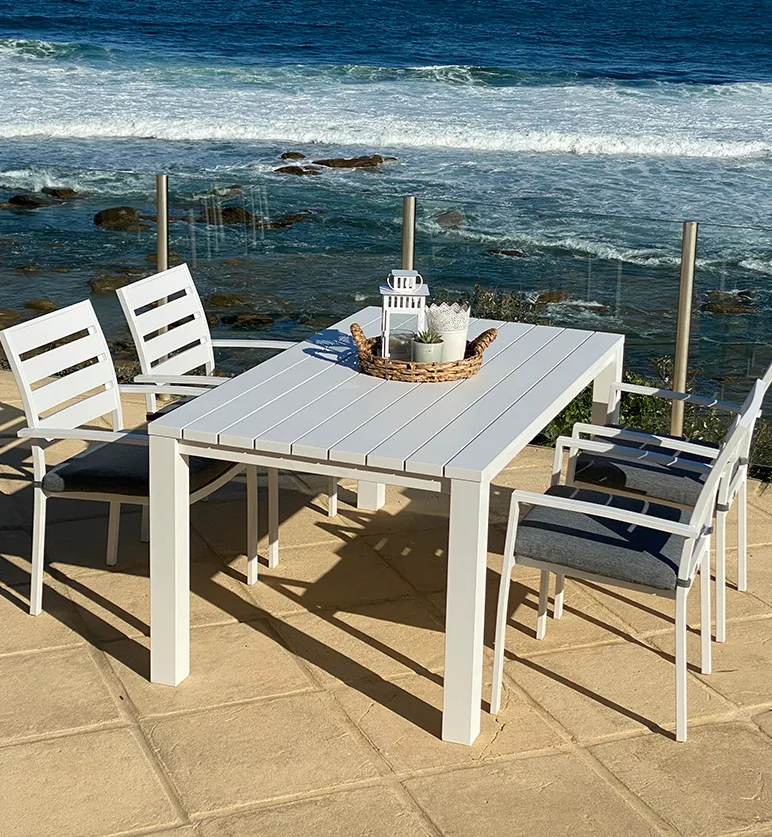
Are there any space-saving outdoor furniture options for small patios or balconies?
Yes, there are several space-saving outdoor furniture options available specifically designed for small patios or balconies. These furniture pieces are designed to maximize functionality while taking up minimal space. Here are some popular options:
1. Folding Furniture:
Folding furniture is a versatile choice for small outdoor spaces. Folding chairs, tables, and benches can be easily folded and stored when not in use, allowing you to create more space when needed.
2. Stackable Furniture:
Stackable chairs or stools are practical for compact spaces. These chairs can be stacked and stored vertically, minimizing the footprint. Look for lightweight and durable materials such as aluminum or plastic.
3. Wall-Mounted Furniture:
Consider wall-mounted tables or benches that can be folded down when needed and folded up against the wall when not in use. This option is ideal for balconies where floor space is limited.
4. Hanging Chairs or Hammocks:
If you have a sturdy overhead structure, hanging chairs or hammocks can provide comfortable seating options without taking up floor space. They can be easily installed and removed as needed.
5. Compact Bistro Sets:
Bistro sets are designed for small outdoor spaces. They typically consist of a small table and two chairs, providing a cozy and functional seating area without overwhelming the space.
6. Built-In Seating:
Consider built-in benches or seating options that can be integrated into your patio or balcony design. These can be customized to fit the available space and provide storage compartments underneath for additional functionality.
7. Multifunctional Furniture:
Look for furniture pieces that serve multiple purposes. For example, ottomans or coffee tables with hidden storage can double as seating or provide a place to keep cushions or other outdoor accessories.
8. Vertical Gardens:
If floor space is limited, vertical gardens or hanging planters can add greenery and enhance the ambiance of your small outdoor space without taking up valuable floor space.
When shopping for space-saving outdoor furniture, consider the dimensions, materials, and functionality of each piece. Take accurate measurements of your patio or balcony to ensure the furniture will fit comfortably. Additionally, consider the weather resistance and durability of the materials used, especially if your outdoor space is exposed to the elements.
By selecting the right space-saving furniture options, you can create a functional and enjoyable outdoor space, even with limited square footage.
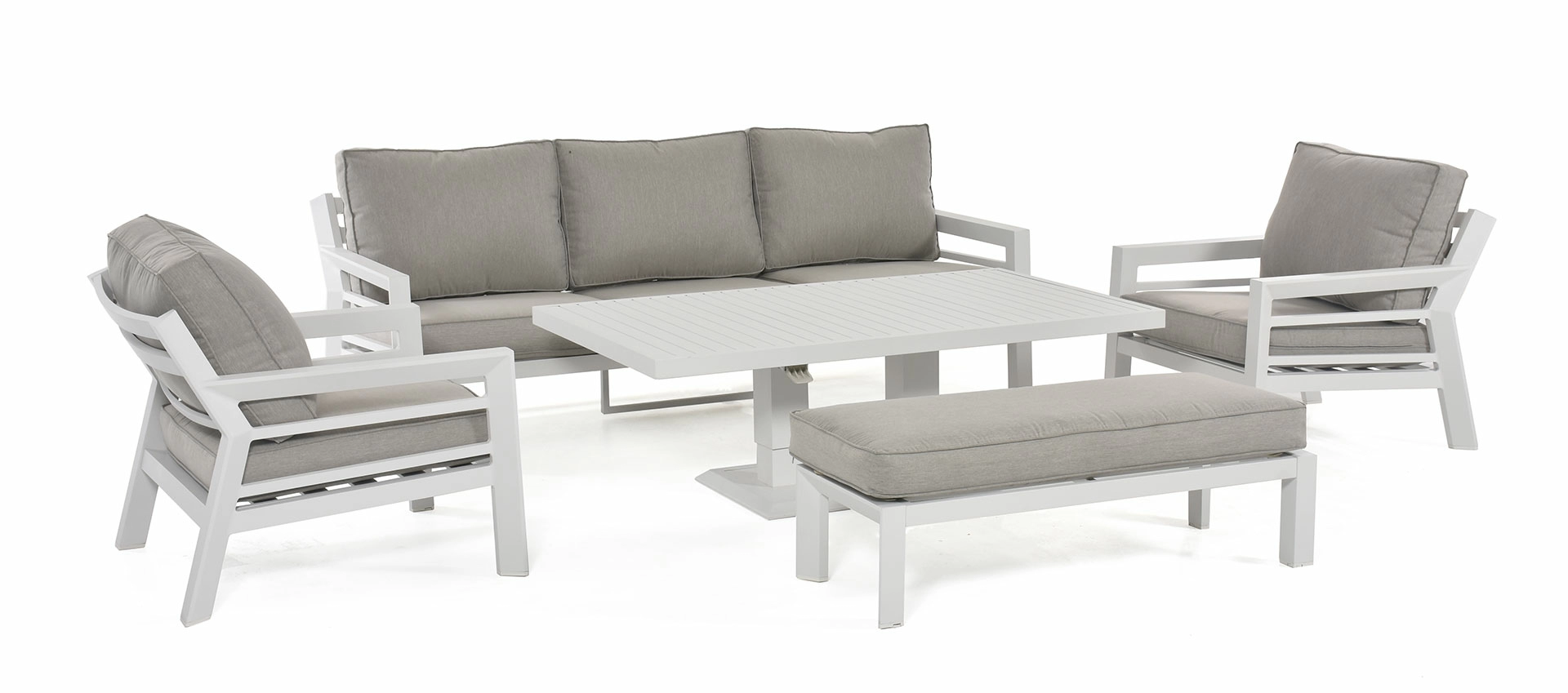
How can I protect my outdoor furniture during the winter months?
Protecting your outdoor furniture during the winter months is crucial to ensure its longevity and keep it in good condition. Here are some tips to help you protect your outdoor furniture:
1. Clean and Prepare: Before winter arrives, thoroughly clean your outdoor furniture to remove any dirt, debris, or stains. Use a mild soap, water, and a soft brush or sponge. Rinse the furniture thoroughly and allow it to dry completely. Once clean, apply an appropriate protective finish or sealant if recommended by the manufacturer.
2. Store Indoors: If possible, consider storing your outdoor furniture indoors during the winter months. A garage, basement, or storage shed can provide protection from harsh winter weather. If space is limited, prioritize storing more delicate or valuable pieces, such as cushions or lightweight furniture, while heavier or more durable items may be left outside with proper coverings.
3. Use Furniture Covers: If storing your furniture indoors is not an option, use weather-resistant covers designed specifically for outdoor furniture. Look for covers made from durable materials that are waterproof, UV-resistant, and breathable. Properly cover each piece of furniture, including tables, chairs, and cushions, to keep them protected from snow, rain, and wind.
4. Elevate and Protect: When leaving furniture outside, elevate it from the ground to prevent moisture damage. Use furniture glides, blocks, or a raised platform to keep the furniture off the wet or frozen ground. Additionally, use furniture protectors or caps on the legs to prevent scratching or damage to delicate surfaces.
5. Remove Cushions and Fabric: If your outdoor furniture has removable cushions or fabric, it’s best to store them indoors during the winter. Clean the cushions thoroughly, allow them to dry completely, and store them in a dry and protected area. If storing indoors is not possible, use weather-resistant cushion storage bags or containers to keep them protected from moisture and pests.
6. Inspect and Maintain: Periodically check on your outdoor furniture during the winter months. Remove any accumulated snow or debris from the covers and ensure they are securely in place. Inspect the furniture for any signs of damage or wear and make any necessary repairs as soon as possible.
7. Avoid Excessive Weight: While it may be tempting to use your outdoor furniture as storage surfaces during the winter, it’s best to avoid placing heavy objects on them. Excessive weight can cause damage or warping, especially if the furniture is made from materials like wicker or plastic.
By following these tips, you can help protect your outdoor furniture during the winter months and extend its lifespan. Remember to always refer to the manufacturer’s guidelines and recommendations for specific care instructions for your furniture.
editor by CX 2023-11-13